
People Who Resent Everything About The Current State Of The World Have 10 Legit Reasons
 Jv Franes | Pexels
 Many would argue that we're collectively unhappy as a culture today. Yes, there's so much goodness and love to share, but there are also many legit reasons why so many people resent everything about the current state of the world.
Between economic hardships and polarization, it's all making us exhausted and lonely. And it feels like a spiral we can't break free from.
Legit reasons why some people resent everything about the current state of the world
1. Convenience is making us unkind
 PeopleImages | Shutterstock
When you have too many options at your fingertips or ways to make your life easier, you often miss out on small moments of effort that bring meaning to your life. Whether it's physically going to the grocery store or showing up for friends, inconvenience is how we create better relationships.
With convenience culture comes entitlement, though. We start expecting ease all the time, overlooking the growth that comes from leaning into discomfort.
2. Social media forces us to compare ourselves
Comparison culture has always been around, but the scale we experience and navigate it in our digital world today is sabotaging our lives more than we realize. We feel behind when we watch highlight reels of other people's lives on Instagram. We compare our lives and hold ourselves to completely unrealistic standards.
It can feel like we're behind in life, making us feel resentful and competitive with others. We struggle to live in the present moment because we feel like we have to prove something. It's disheartening, and yet we stay stuck in the spiral of comparison.
3. Nobody wants to have hard conversations
Our world feels polarized today for so many reasons, one of which is that our personal beliefs and values are tied to our identity. When someone has differing opinions, it can feel like a personal threat. We're disconnected from empathy and understanding because we struggle to make an effort to understand people living different lives.
Yes, there are certain beliefs that someone would never keep around or tolerate, but that doesn't mean there's not still room to understand their worldview. You don't have to allow them access into your world, but you grow when you understand where someone is coming from.
It's these hard conversations that we're missing and that are making people more resentful. We're disconnected, but we're also defensive about our views in ways that harm community and growth.
4. Nothing feels affordable
There are so many things today that many people can't afford, whether it's basic necessities or comfort luxuries. It's not shocking that resentment is swirling around, because too many people are living in survival mode instead of having the freedom to just live.
A report from the American Psychological Association found that 66% of Americans are stressed about money, and 75% are concerned about the overall economy.
For some, that means struggling to pay bills and having to check their bank account constantly. For others, that means spending more time at home than they'd like to, because they have cents to spare at the end of the month. It's no way to live and enjoy life, and yet, here we are.
5. There's a constant pressure to be available
 DimaBerlin | Shutterstock
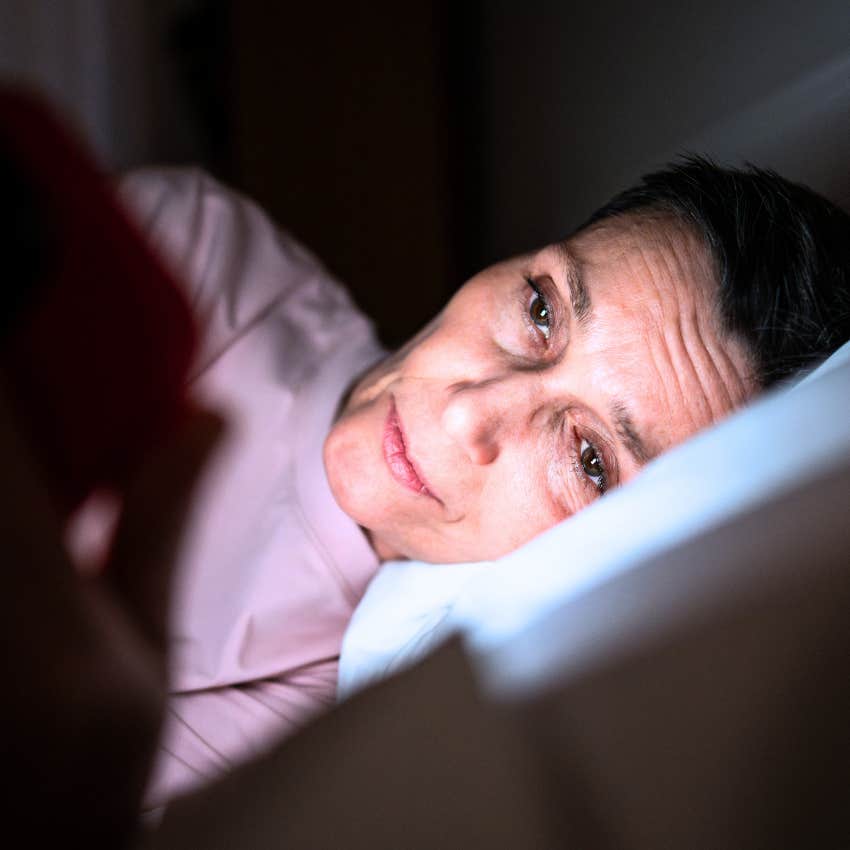
Just a few decades ago, without the scale of technology we have today, people could exist without a pressure to be available. They could leave work in the office and be present with their families. They could take a call on the landline and then go back to their personal life.
Now, with constant accessibility and social media, we're on 24/7. Or, at the very least, we feel pressured to be. Even the mere presence of our phone at home or in a conversation sabotages our attention, creating resentment that feels impossible to disconnect or opt out of.
6. Everything feels so negative
Whether it's media overload and gut-wrenching headlines on a casual weekday or negative interactions with strangers, people who are resentful of the world are tired of feeling pessimistic about life.
The constant access to horror stories and comparison online harms our mental health, but it also creates a spiral of consumption that feels impossible to break free from. You want to be informed and feel like it's your duty, but it often comes at the expense of your well-being.
7. Everyone seems superficial
There's always been fake people in the world. But with the rise of social media and cell phones, it has amplified the feeling that nobody is their authentic self. They don't feel like they belong anywhere, because even the people they connect with aren't being their most genuine selves.
Younger generations are caught in a uniqueness complex, where everyone wants to be different. Everyone is posting and curating a facade online. Social media feels like a highlight reel, instead of a way to stay truly connected.
It's exhausting, especially when it takes so much effort to be social, only to be met with superficial small talk.
8. Quality is deteriorating
Quality of connections and third spaces are all going down the drain for many people, but the quality of goods is suffering, too. Whether it's clothing or the food we're buying from grocery stores, it's no surprise people are resentful when everything is shrinking and becoming less regulated, but still getting more expensive.
For people who don't have the disposable income to replace their goods constantly, it's detrimental. The money stress they're facing is even more intense when the investments they save to buy only last for a few months.
9. Loneliness feels like a new normal
 PeopleImages | Shutterstock
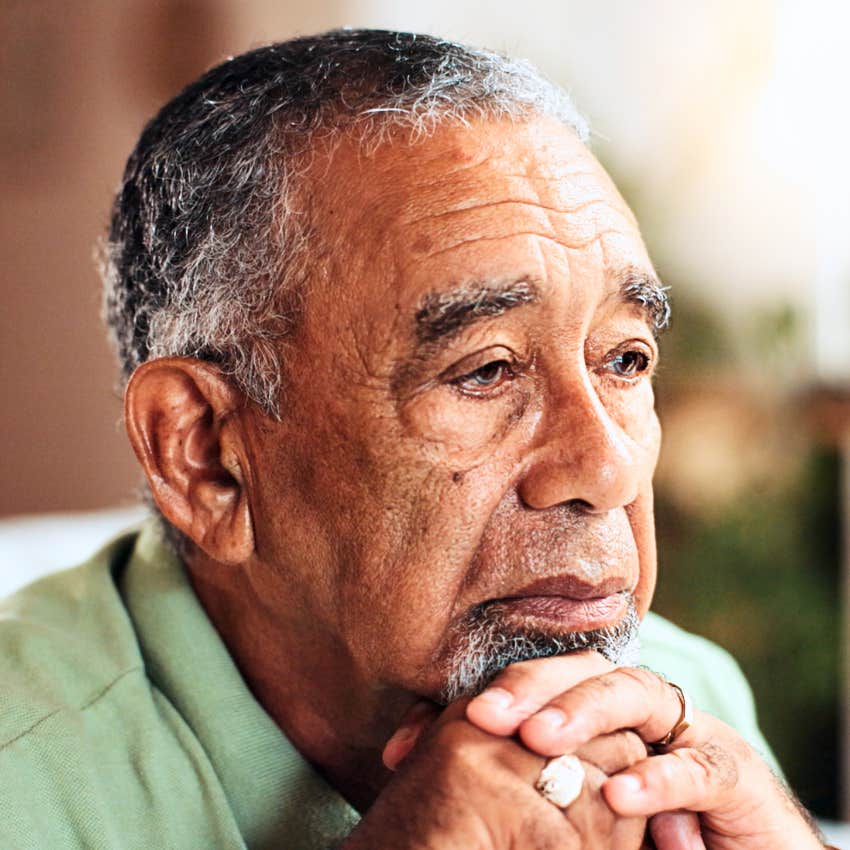
We're living in an age of chronic loneliness, where so many people spend most of their time disconnected from community, feeling sad and frustrated with the state of the social world. A 2023 study suggests that social media usage also creates more loneliness, making entire generations of people who live and exist almost entirely online disconnected and unhappy.
Unfortunately, polarization and division in our culture are only amplifying this epidemic of loneliness, making people feel more alone than ever. People want to be connected, but it feels like the odds are stacked against them.
10. Silence is uncomfortable
Especially for older generations who grew up before social media and cell phones, dealing with young people who can't tolerate silence and stillness is frustrating. Everyone seems to be reliant on distractions when they're alone or talking over others to fill awkward silences in conversations. They're saying and doing a lot, but not sitting in the quietness that we all need to thrive.
With every conversation that goes by and every social interaction that leaves a bad taste in their mouth, people get more resentful. Even for young people who know they're using busyness as a crutch, it's disheartening.
Zayda Slabbekoorn is a senior editorial strategist with a bachelor's degree in social relations & policy and gender studies who focuses on psychology, relationships, self-help, and human interest stories.
