
The Real Reason Your Food Doesn't Taste Right (And 3 Ways To Get The Flavor Back)
 Thongphasuk | Canva
 Have you ever felt unsure during cooking, wondering, “Wait, is this actually good?” As you keep tasting, your palate starts to blur. You end up adding a little of this, a little of that. But unlike a painting, you can’t just erase or cover up the flavors and try again from scratch.
Anyone who’s ever cooked has likely faced this moment. And eating a dish that didn’t quite turn out (accompanied by a twinge of regret, even a hint of humiliation) can be hard to swallow. Still, we can’t just throw it away.
To avoid this, I’ve come to rely on three small principles:
- Know your inner world
- Cherish those who offer both kindness and honesty
- Embrace the beauty of imperfection
I’ll walk you through each one, and while they stem from my experience in the kitchen, I believe they go far beyond that. These perspectives can add subtle, enriching “spice” not just to your food, but to your entire way of living.
The real reason your food doesn't taste right and the 3 ways to get the flavor back:
1. Know your inner world
 Alison Pang / Unsplash
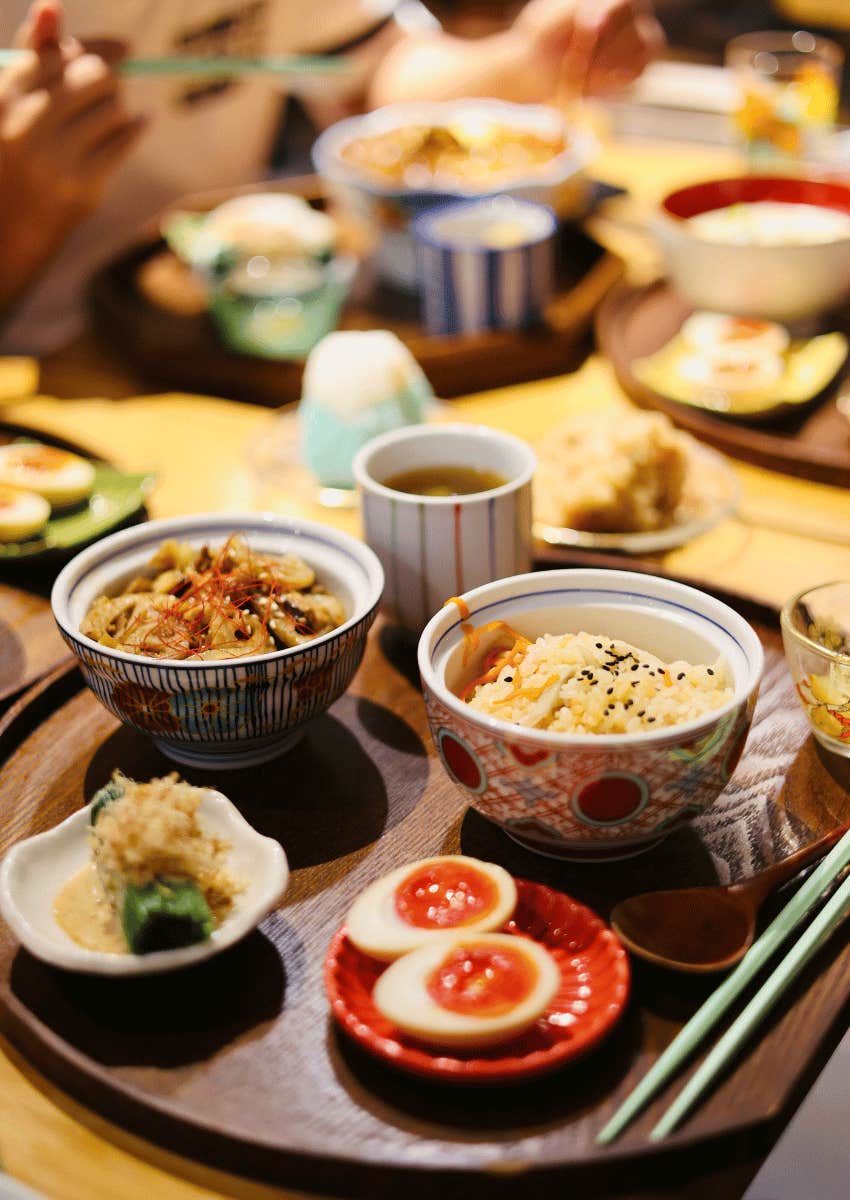
Each of us lives with a small world inside, a world shaped by our senses, feelings, habits, and memories. But sometimes, what we assume about this world turns out to be wrong.
Do you remember the first time you heard your recorded voice? You might have thought, “Wait, that’s me?," surprised by the unfamiliar tone.
In your inner world, you imagined a different voice, but the one that reached others was that odd, outside version. This disconnect doesn’t stop at sound. It shows up in how we think, what we believe to be normal, and the small decisions we make each day.
One day, I was eating ramen with a friend and sprinkled some black pepper. She warned, “That’ll make it too strong.”
To me, pepper adds aroma and spice. I thought “strong” or “too rich” described saltiness or overpowering flavors. But for her, pepper’s sharpness counted as part of the intensity.
Another friend insists on never letting a plastic bottle touch her lips for hygiene. Meanwhile, I’ve met people who don’t blink before burping loudly in public.
What these differences suggest is this: our “inner world” may be shaped less by logic and more by early experiences, how we were raised, what our homes were like.
In my childhood home, sometimes we’d put butter on rice or stir it into miso soup. The richness transformed the dish into something warm and Western-like — it was delicious. But when I told a friend about buttered miso soup, she blurted out, “Ew, gross!”
It wasn’t a judgment. Just a matter of taste. For me, it was a staple. For her, it was strange. In short, the idea of “delicious” varies wildly from person to person. Even if you follow a recipe to the letter, it might not taste right to you.
That’s why the first step is to trust your own sense of taste. More importantly, get to know it well. But knowing yourself isn’t always enough. That’s where the next point comes in.
2. Cherish those who give both kindness and honesty
Cooking for someone, whether a friend or a date, can be nerve-racking. As we’ve seen, people experience taste differently. Most people will say “It’s good!” even when they’re not sure, simply because it’s hard to critique food in front of the cook.
Yet a blunt “This is bad” can really sting. My partner and my close friends strike a balance: they’ll say things like, “It’s good, but maybe it could be a little lighter.” Their kindness cushions the honesty.
That kind of feedback reassures me. I often think, “I thought so too,” and feel grateful that my instincts weren’t totally off. These shared meals help confirm and refine my inner sense of flavor. Many of my tastiest dishes owe their success to such thoughtful, caring comments.
Of course, when they cook for me, I try to offer the same, a mix of tenderness and truth. And in my experience, people whose tastes align with yours often connect with you in deeper ways, too.
3. Embrace the beauty of imperfection
 Anna Jakutajc-Wojtalik / Unsplash+
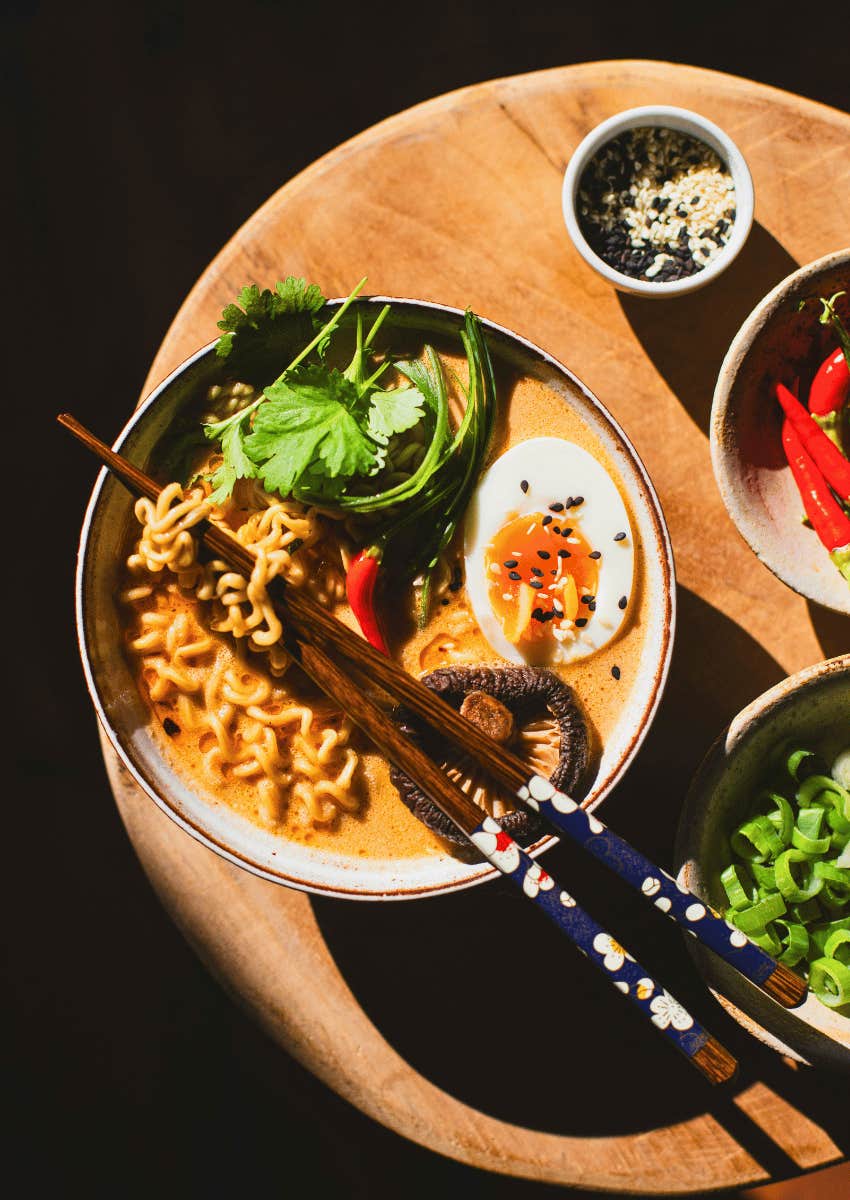
Still, there are days when the food just doesn’t satisfy. That’s part of being human. Sometimes, it’s your physical state. When you’re not feeling well, nothing tastes quite right. Instead of rushing to fix it with seasoning, take a breath. Notice the lack. It means your senses are still working.
In Japan, there’s long been an aesthetic appreciation for imperfection. Rather than chasing perfection, we learn to notice the beauty in what’s missing or uneven. That mindset cherishes the unfilled spaces in life.
The same goes for cooking. Instead of striving for perfection, you can train your senses to notice the subtle charm of simplicity — the natural umami (the savory depth found in ingredients like mushrooms, soy sauce, or tomatoes), the scent of a barely seasoned dish. It’s something that, in a way, feels connected to the spirit of wabi-sabi.
And thankfully, Japanese food culture embraces “tableside adjustment.” Like dipping sushi in soy sauce, it’s normal for diners to fine-tune flavor at the table.
In contrast, many Western dishes, such as pre-seasoned carpaccio, come fully dressed. In those cultures, adjusting the taste might even be seen as disrespecting the chef. That said, dumping too much seasoning on a dish can still be disappointing. But small tweaks? That’s part of crafting your personal deliciousness.
If you see “not quite right” as a flaw, you may rush to cover it up. But if you treat it as a space, a gentle pause in flavor, it becomes something beautiful in its own right.
Beyond taste: Living more fully
Now, you won’t get lost in the maze of flavor again. If you tune into your inner world, surround yourself with gentle yet honest voices, and start to see beauty in the imperfect, you’ll not only cook better, but live richer.
The internet floods us with information daily, but not all of it is trustworthy. Rather than fixating on the outside world, I hope you’ll turn inward, too.
I often see children watching videos on tablets. But more than screen time, it’s the real-life sensory experiences, within their family, their own “small world” that truly shape them.
Online friends are fine. But having someone to share a meal with, to argue honestly and laugh freely; that’s something else entirely. So try putting down your phone. Look up at the sky, the trees. That quiet moment isn’t wasted; it’s the pause that gives life its depth.
Both cooking and life transform with just a shift in awareness. If today’s story helps guide you to your own flavor map, I’ll be happy. Because I believe your version of “delicious” will shine warmly, more beautifully than anyone else’s.
Kitano Komachi is a writer exploring Japanese food culture, home cooking, and the quiet stories that grow around the table. Through essays and recipes, Komachi shares the beauty of everyday Japanese cooking with readers around the world.
