
11 Things Families In The 60s & 70s Did On Saturday Morning That Made Them Healthier Than Today's Generation
 Annie Spratt | Unsplash
 In today's society, Saturday mornings are usually filled with screen time and constantly running errands that could have been done during the busy hours of the week.
While it's become a normal way-of-life for families today, that wasn't really the case during the 60s and 70s. Instead, the things families in the 60s and 70s did on Saturday morning made them healthier than today's generation. Their mornings were filled with a much slower way of living where screens were not a thing at all, which left room for spending quality time together.
Because of the fact that older generations were spending so much time with each other on Saturdays, it only helped reinforce their norms, beliefs, and values. They were a stronger unit by having a designated day in the week where the work was put on the back-burner and rest was actually encouraged.
Here are 11 things families in the 60s and 70s did on Saturday morning that made them healthier than today's generation
1. Starting the day with chores
 Evgeny Atamanenko | Shutterstock
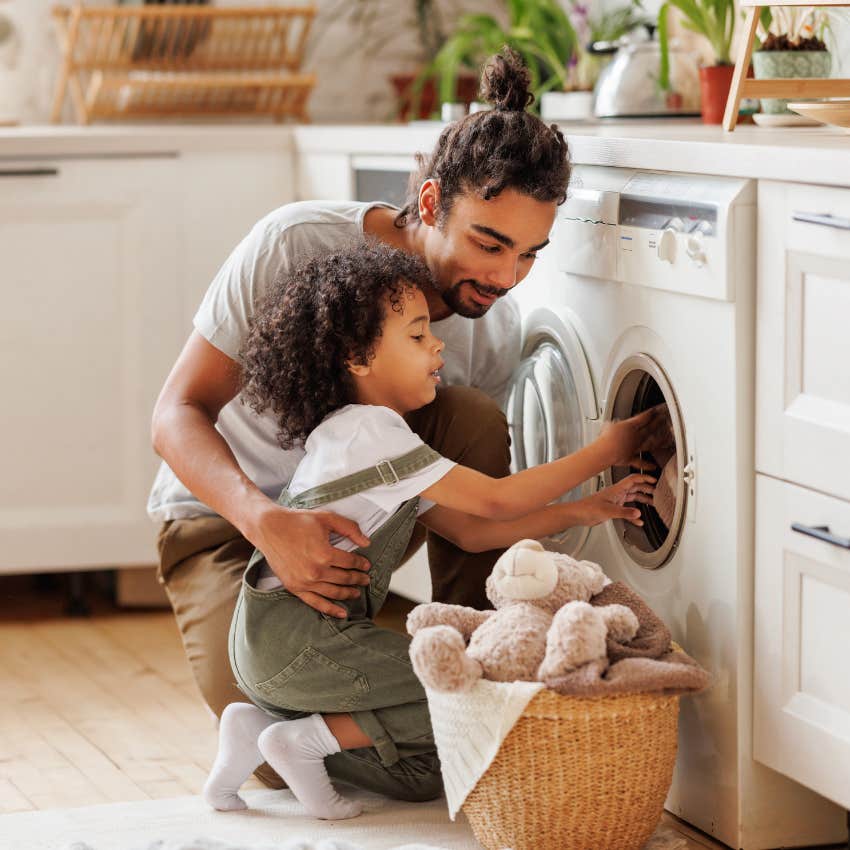
Families during the 60s and 70s often started their Saturday mornings with chores, both inside and outside the home. It meant everyone, including the children, were helping out with yard work, cleaning the house, and doing things like laundry, dishes, and even prepping for dinner.
Since the responsibilities were split amongst the entire family, it meant they were learning about the importance of work ethic and also gaining a bit more confidence. As opposed to immediately locking in on a screen, kids back then were getting valuable lessons even when they weren't in school.
2. Cooking a big, homemade breakfast together
Families during this time made sure to reserve Saturday mornings as a time where everyone was cooking together. That meant making a big breakfast filled with all the classics like eggs, bacon, sausages, pancakes, and even a side of fruit. It was all from scratch rather than being ordered in or from a frozen package.
Breakfast on Saturday mornings turned into an actual ritual where time was spent together rather than everyone tucked away in their rooms. By both cooking and eating together, families were prioritizing working together as a team and, above all else, providing a structure for everyone involved.
3. Kids playing outside
 PeopleImages | Shutterstock
Once the chores and breakfast were done, the kids were being released into the backyard or out and about in the neighborhood with other children. Parents during that time weren't heavily supervising them but were still aware of where they were.
It allowed kids to actually have some time to be active, especially when, during the week, they were busy with school and probably didn't get much time outside. By being outdoors, kids during the 60s and 70s were growing socially and learning how to develop healthy friendships with the other kids nearby.
4. Walking to nearby errands
A simple Saturday morning was often filled with errands that weren't too serious but allowed for families to get out of the house. Rather than jumping in the car, families would take a simple walk down the street to see what was new at the shops that were close to them.
It was a way for them to get exercise and take in the scenery of the neighborhood and city. It helped them from spending all of their Saturday cooped up inside. Those little bursts of activity made it a routine that felt nice to adhere to every single week.
5. Limiting screen time because it barely existed
During the 60s and 70s, there was no such thing as an iPad, YouTube, or a cell phone. Sure, there was television, but even back then families truly tried to limit how often they were all sitting in front of a screen. Because that was limited, it meant families were taking care of their well-being and had a better quality of life.
They were filling their mornings with more productive things that allowed them to actually spend time together rather than be distracted by things like social media and endless streaming options. Unlike our current society, where media is available at our fingertips, families likely aren't spending time together in place of a screen.
6. Going to the local library for book browsing
 Sergey Nivens | Shutterstock
Saturday mornings were sometimes spent at the library for families in the 60s and 70s. Kids were encouraged to pick out books for the week while parents were able to browse the shelves. The physical act of being able to take a book from the library and bring it home was exciting in a way that made reading feel even more special.
The entire family could split up and just roam up and down the different aisles of endless books. That freedom helped encourage actual creativity and helped kids develop interests outside of what other children might have been doing at school or around the neighborhood.
7. Playing board games at the kitchen table
It wasn't unusual for families to be crowded around a kitchen table playing some kind of board game or maybe even a card game. Before entertainment meant watching something on Hulu or Netflix, families actually managed to stay engaged with each other and play activities that were hands-on.
The kitchen table quickly transformed into somewhere that wasn't just for meals. It slowly became a place where laughter and games were played endlessly. Board games at the table became something to look forward to every single Saturday morning.
8. Attending a local theater for an early matinee show
If families were wanting to engage in any kind of screen time during the 60s and 70s, they did it in a way where all of them could still spend time together. That meant going over to the movie theater to catch a matinee show. They'd most likely make the plans early in the week as something that everyone could look forward to doing on Saturday morning.
They'd pile into the car, buzzing with excitement at being able to see a movie that had been on their radar for some time. And then once the movie was over, they'd make sure to grab food or spend time hanging out with each other in another intentional way.
9. Engaging in physical hobbies
Back in the 60s and 70s, families were often spending their Saturday mornings participating in some kind of physical hobby. Whether it was tending to the garden in the backyard, getting the kids to help wash the car, or even doing some kind of creative hobby like painting or sewing, they made sure to do something that kept their attention.
Compared to families from this generation who may just spend their Saturday mornings separately, families back then made sure to spend genuine time together. And by participating in these physical hobbies and interests, they were leading better, happier lives.
10. Playing sports at the park
 Lopolo | Shutterstock
If it was a particularly nice Saturday morning, families in the 60s and 70s wanted to enjoy it outside. That meant taking a trip down to the local park where they could play lighthearted sports games with each other. Being able to play outside like that not only helped promote curiosity and creativity amongst kids, but by spending more time in nature, it also improved their health.
Kids would bring their baseball gloves, a basketball, football, or maybe even a volleyball for a fun, unserious game with their parents. Sometimes other kids would show up, either from school or in the neighborhood, and it would turn into something a bit more competitive. But either way, it was a chance to get some fresh air and sun, while also making happy memories.
11. Helping neighbors with small tasks
It was common for families during this time to sometimes spend a portion of their Saturday mornings helping the neighbors with whatever small project they may have needed assistance with. It's what made community such an important aspect of that time. Families weren't just waving at their neighbors in passing or striking up surface-level conversations when they bumped into them while coming into the house.
Instead, they actually spent time talking and providing any support when it was needed. That meant going over to their homes and helping fix things that may have broken in their homes, or just helping them carry in the groceries if they took a peek outside and saw them struggling.
Nia Tipton is a staff writer with a bachelor's degree in creative writing and journalism who covers news and lifestyle topics that focus on psychology, relationships, and the human experience.
