
You Can Tell A Kid Is Destined For Success If They Do These 11 Things Without Being Told
 almo Creative / Shutterstock
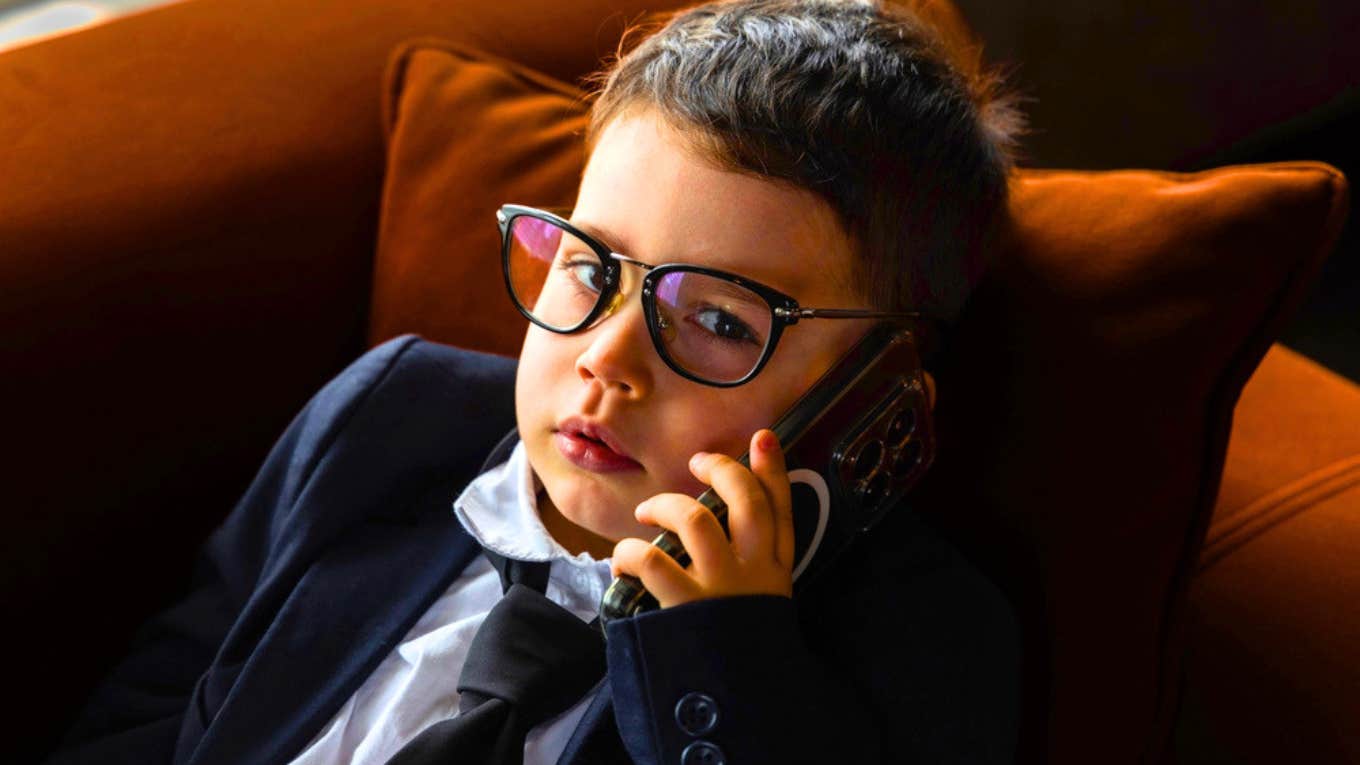
 Some traits show up early, long before anyone labels them as strengths, such as how a kid approaches tasks or what they pay attention to when no one is directing them. These moments don’t look remarkable on their own, but they tend to repeat in ways that reveal something deeper.
Patterns like this often reflect how a child thinks, not just what they’ve been taught. When certain behaviors appear without prompting, they point to internal habits that shape how someone learns and navigates challenges. Those habits usually carry forward, influencing how they handle bigger responsibilities later on.
You can tell a kid is destined for success if they do these 11 things without being told
1. They start tasks on their own instead of waiting to be told
 Denis---S / Shutterstock
Some kids naturally move toward what needs to be done without needing a reminder. Whether it’s beginning homework, cleaning up, or getting ready for the next part of the day, they take initiative without being pushed.
This behavior shows up in small windows of time when no one is watching closely. The decision to act comes from their own awareness rather than external pressure. It reflects an early sense of ownership over their responsibilities. That pattern tends to shape how they approach independence as they get older.
2. They stay focused longer than expected for their age
 pics five / Shutterstock
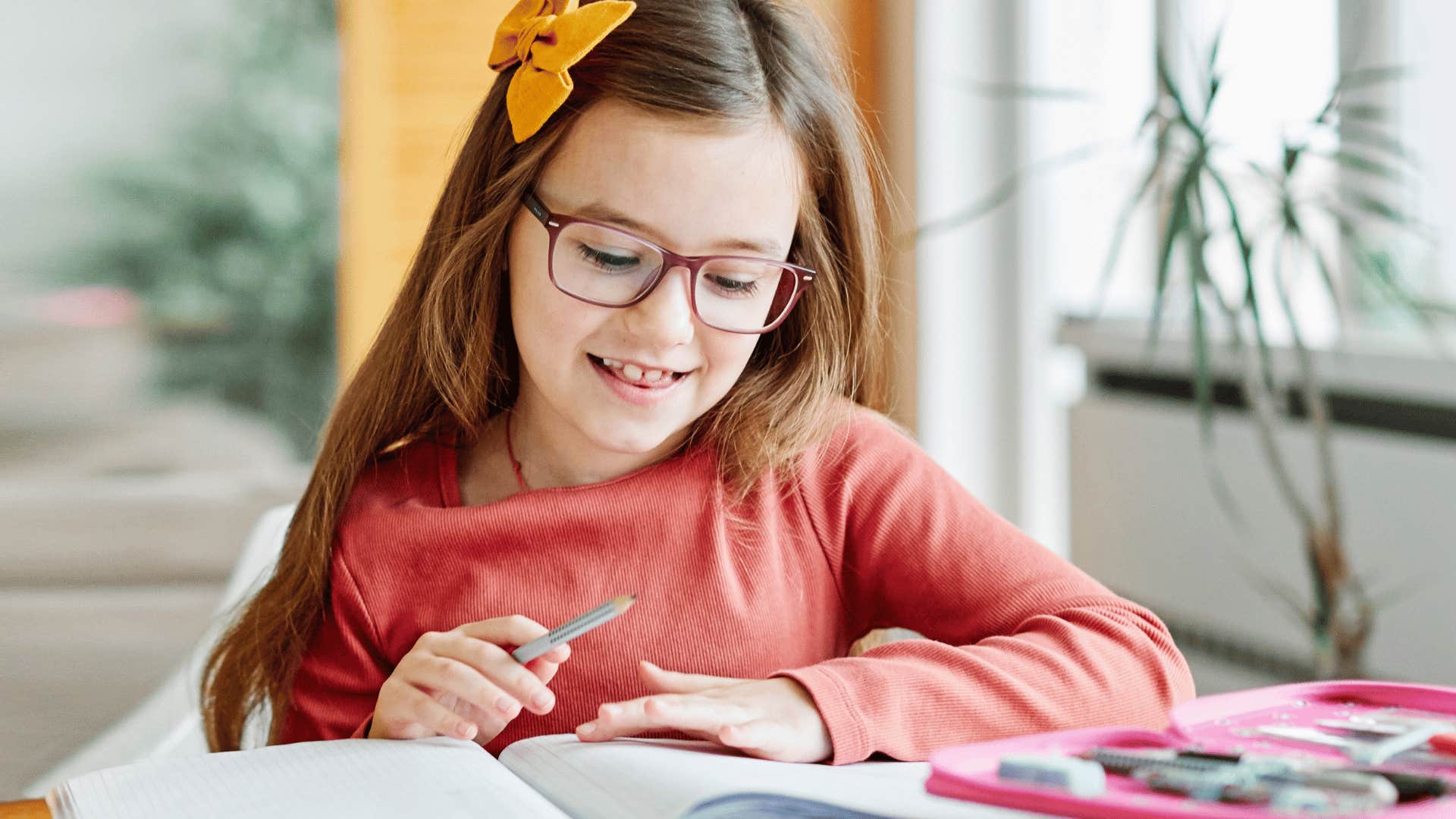
Attention naturally shifts for kids, but some show an ability to stay engaged past the point where others lose interest. They stick with a puzzle, a project, or a problem even when it becomes challenging.
This focus often shows up during activities they chose themselves, not just structured tasks. Their attention stays anchored long enough to see something through. That level of engagement builds a stronger connection between effort and outcome. It becomes a habit that supports more complex work over time.
3. They ask questions that go beyond the surface
 Branislav Nenin / Shutterstock
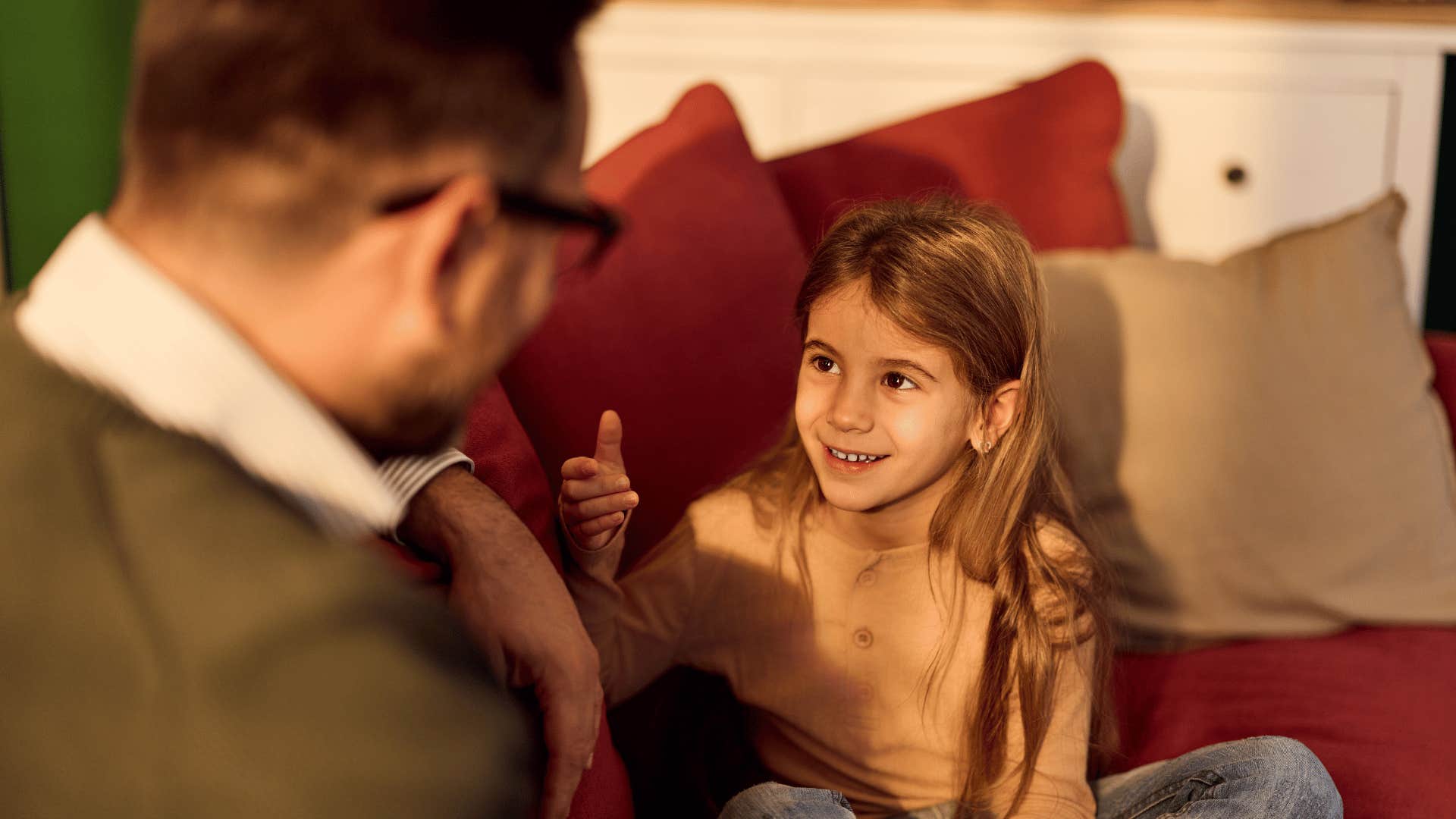
Curiosity shows up in how questions are formed. Instead of stopping at basic information, they look for reasons, patterns, or connections. A simple answer often leads to another question that builds on the first.
This creates a deeper level of understanding that goes beyond memorizing facts. Their interest stays active even after the immediate question is answered. That approach strengthens how they process new information. It often leads to more independent learning.
4. They keep trying even after something doesn’t work the first time
 MalikNalik / Shutterstock
Frustration is part of learning, but some kids move through it differently. When something doesn’t go as planned, they adjust and try again instead of stepping away immediately. This shows up in moments where the outcome isn’t guaranteed, and the process requires patience.
Their willingness to continue creates more opportunities to improve. Each attempt builds familiarity with the challenge rather than avoiding it. That persistence becomes part of how they handle difficulty in general.
5. They notice details other kids tend to overlook
 Laugesen Mateo / Shutterstock
Observation plays a bigger role than it might seem at first. Some kids pick up on small changes, patterns, or inconsistencies without being prompted. This can show up in how they approach tasks or how they respond to what’s happening around them.
Their attention moves beyond the obvious and into the specifics. That awareness often leads to better problem-solving because they’re working with more information. It also shapes how they understand their environment.
6. They take responsibility for small mistakes without being pushed
 PeopleImages / Shutterstock
When something goes wrong, some kids address it on their own. They might fix it, acknowledge it, or adjust what they’re doing without needing a reminder. This response appears in everyday situations where the outcome could easily be ignored.
Taking responsibility at that level reflects how they view their role in what happens. It builds a sense of accountability that becomes easier to apply in larger situations. This tends to stay consistent as expectations grow.
7. They organize their things in a way that makes sense to them
 wavebreakmedia / Shutterstock
Organization doesn’t always look perfect, but it often follows a system. Some kids arrange their belongings, schoolwork, or projects in a way that helps them keep track of what they’re doing. This might look like grouping items, setting things up ahead of time, or maintaining a routine without being asked.
Their system supports how they think and work. It reduces confusion when they return to something later. That structure becomes more useful as responsibilities increase.
8. They pay attention to how their actions affect others
 PeopleImages / Shutterstock
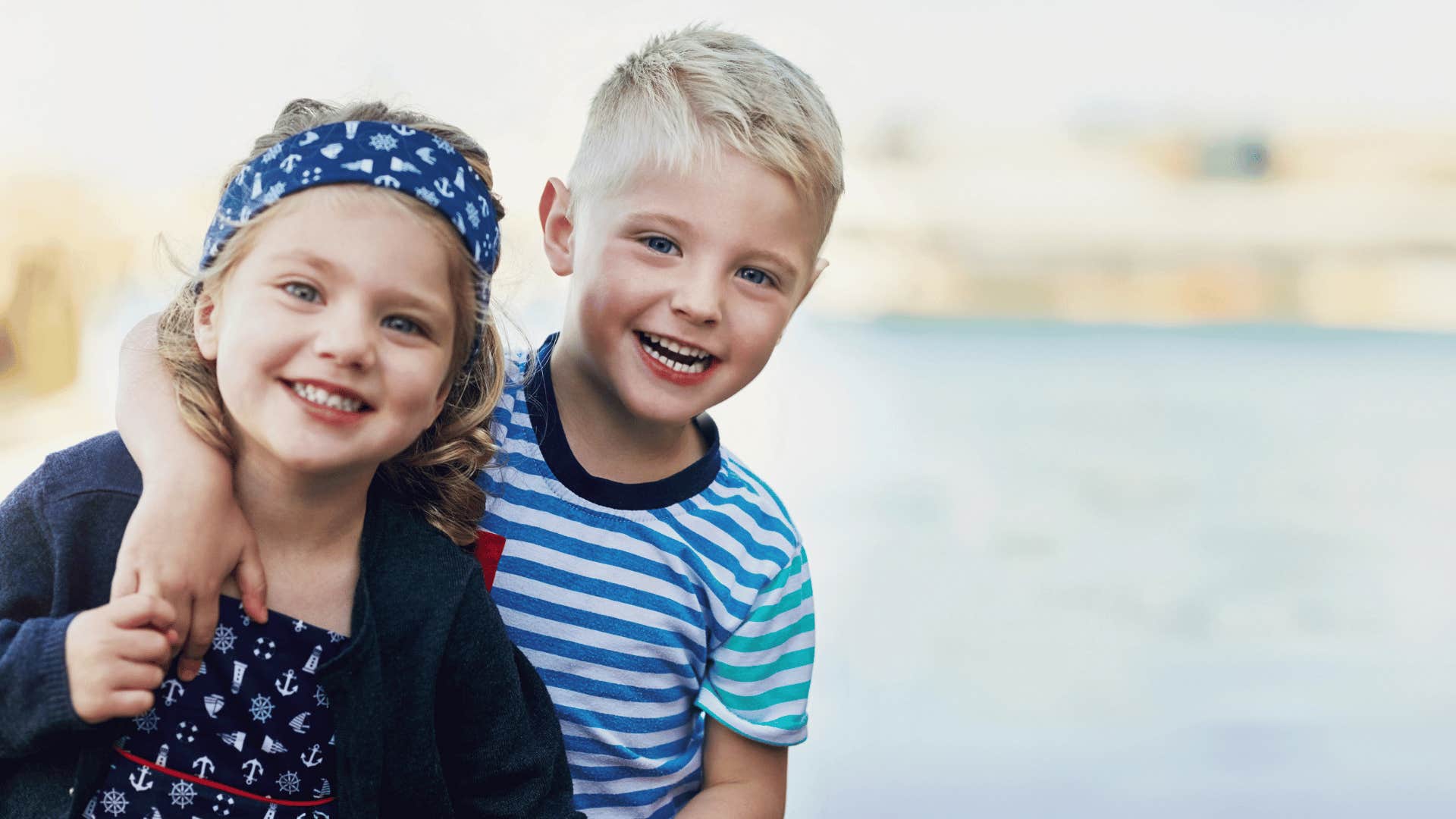
Awareness of others develops gradually, but some kids show it earlier and more consistently. They notice how their behavior impacts the people around them and adjust without being told. This might appear in sharing, helping, or changing their approach during group activities.
Their decisions reflect an understanding that extends beyond their own perspective. That awareness supports stronger relationships over time. It also shapes how they navigate social situations.
9. They look for ways to improve what they’ve already done
 wavebreakmedia / Shutterstock
Finishing something doesn’t always feel like the final step. Some kids go back and make adjustments, even when they weren’t asked to. This might involve correcting, refining, or adding to what they’ve completed.
Their focus stays on making the outcome better, not just getting it done. That approach builds a connection between effort and quality. It encourages a mindset where improvement is part of the process.
10. They stay curious even when something feels familiar
 PeopleImages / Shutterstock
Repetition doesn’t always lead to disengagement. Some kids continue asking questions or exploring new angles, even when they’ve seen something before. Their interest stays active rather than settling into a routine.
This might show up in how they revisit topics or approach familiar tasks with new ideas. Their thinking remains flexible instead of fixed. That curiosity supports ongoing learning in a natural way.
11. They follow through on what they start without being reminded
 PeopleImages / Shutterstock
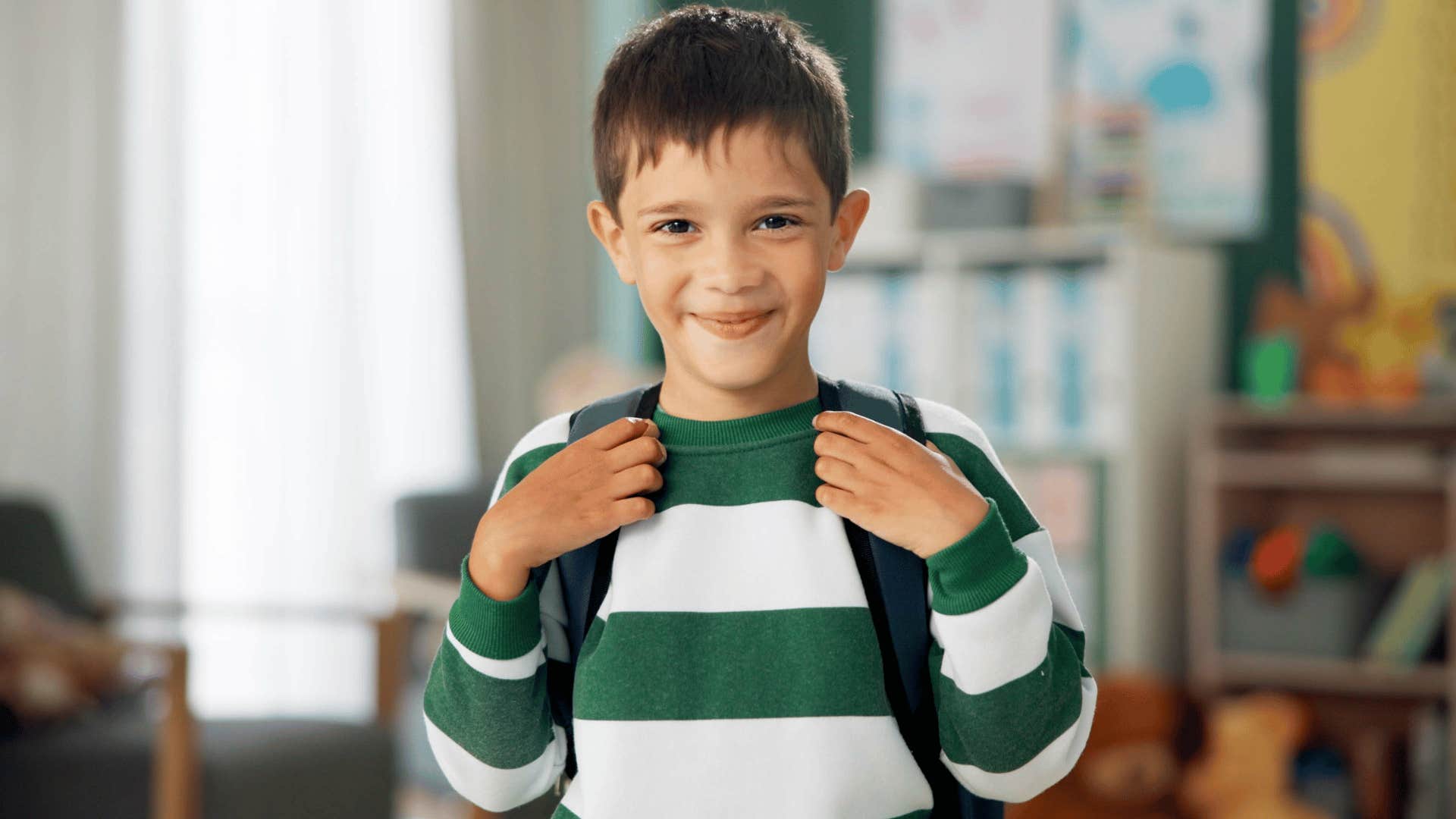
Starting something independently is one step, but finishing it completes the pattern. Some kids carry tasks through to the end, even when no one is checking in. This shows up in schoolwork, projects, or responsibilities that don’t have immediate oversight.
Their focus stays on completion rather than stopping halfway. That consistency builds trust in how they handle expectations. It becomes part of how they approach commitments as they grow.
Sloane Bradshaw is a writer and essayist who frequently contributes to YourTango.
