
Experts Say Parents Who Raise Grateful Kids Who Don’t Think The World Owes Them Anything Usually Do These 7 Things
 Nathan Dumlao | Unsplash
 Parents who raise grateful kids know a few things some other parents might not have realized: Gratitude starts by setting an example. Raising a kid who doesn't think the world owes them anything begins with the parents modeling behaviors they want to see in their children, which research supports.
They also create opportunities for kids to contribute, experience limits, and develop empathy for others. Over time, these everyday choices build a mindset rooted in appreciation and personal responsibility — rather than the belief that the world owes them something.
Experts say parents who raise grateful kids who don’t think the world owes them anything usually do these 7 things:
1. They understand the idea of the 'spoiled kid' is often oversimplified
Most parents state that their greatest goal in life is to give their children more than they had, while despising spoiled kids. How can one reconcile these two truths? I believe it’s far easier than it appears. But the key has more to do with the parents’ behavior in their own lives than in how much they put in their children’s fireplace stockings.
Before I get to that, let’s talk about this issue in a broader sense. A few decades back, a movement began in our schools to boost self-esteem and reduce kids’ unfairly low opinions of themselves. While this policy remains controversial, the record shows it has largely improved school performance.
Meanwhile, today we hear a great deal about how the younger generation is horribly spoiled and entitled, while the literal evidence implies the complete opposite. In fact, studies have supported how our work with self-compassion seems to have created a generation less entitled and more compassionate than possibly any in decades.
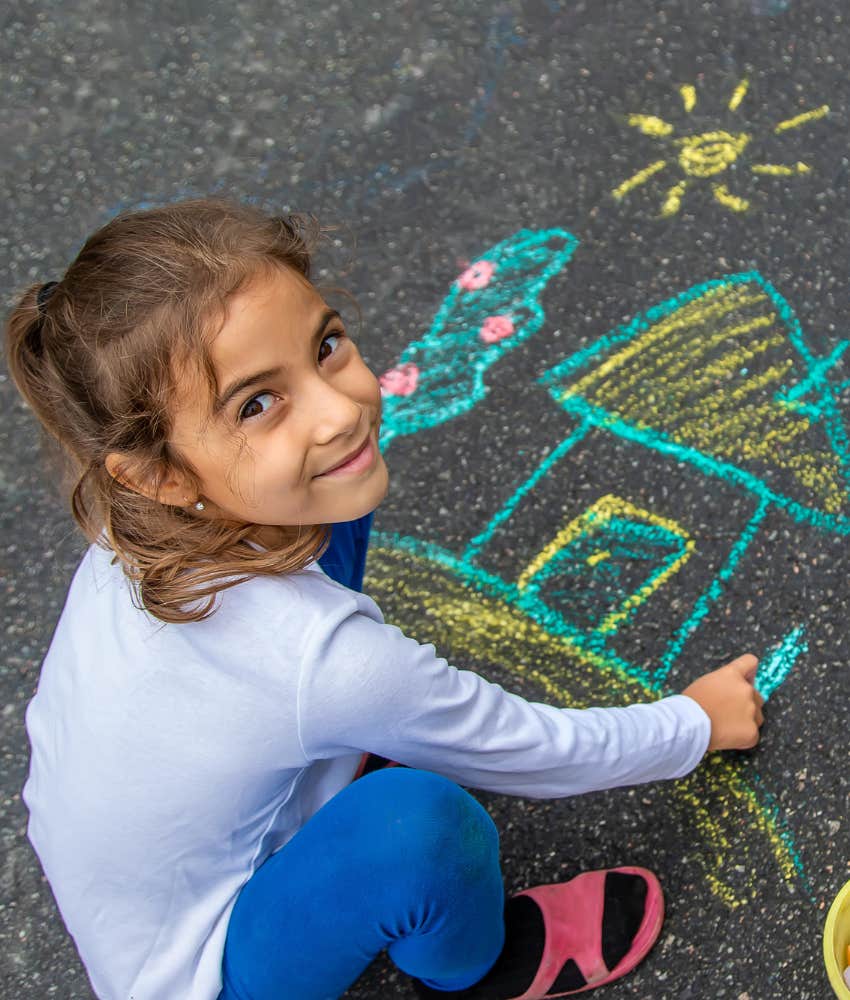
2. Parents who raise grateful kids teach kids to appreciate what they have
 Milena Khosroshvili via Shutterstock
In truth, things are improving. I’ll argue there are only three ways a child gets spoiled:
- If the parent is spoiled themselves and raises the kid in a mindset of entitlement.
- When the parent is neglectful and only shows caring for the child by giving them material goods.
- When the parent is confused and uncertain, and while meaning well, gives the kid more than they should.
This article is only to help the third bunch; the first two categories would never read this anyway. But for the good parents who try, your need isn’t to teach your child to be happy with not enough.
Rather, research has suggested you need to build their core self-esteem enough to appreciate what they have and empathize with those who have less. If a parent achieves this, their kids won’t be flawless, but their flaws will not include being spoiled.
3. They set an example for kids by doing instead of telling
Children learn far more by observing their parents than from what their parents tell them. Developing brains require this — infants learn to talk, walk, and interact by imitating the people they see. And subtler lessons of moral values are transmitted by similar means.
If you want your kid to have good health habits, then let them see you eat well and exercise. If you want your children to read, you’ll achieve far more by re-starting Anna Karenina than yelling at them about how much you hate their video games.
Similarly, if you live within your means, act within a moral code, and treat others with compassion, you will almost certainly see your children grow to have similar virtues.
4. Parents who raise grateful kids express real gratitude to the people around them
 JLco Julia Amaral via Shutterstock
The core quality of the people we see as obnoxiously entitled, explained one study, is often a lack of a sense of gratitude. And, as above, while it’s nice to teach your children to say “thank you” when they receive something, doing so yourself will accomplish more.
But you can do even better: Open your heart to feeling real, overwhelming gratitude now and then, and let your kid see it. And when you gasp in awe at someone’s kindness (instead of just politely acknowledging it), those young brains will literally absorb what they view, and crave finding the opportunity to do the same.
5. They don't overindulge their kids
In 1900, the richest person did not have the luxury of a low-end cellular phone, a room air conditioner, or a crummy TV set — things we might take for granted today. There’s no way to objectify what is an “appropriate” amount to give your child, but you can "sub"jectify it.
I often see children in my practice whose parents give them more than they’re comfortable giving — perhaps to appear generous or cool to their friends, or more likely out of fear of their children’s anger or disappointment. Doing this creates a painful confusion in the young minds, as they will pick up on their parents’ feelings — should they feel grateful or guilty, and were they wrong to want what they wanted in the first place?
In the long run, if this happens enough, the kid will learn to ignore their inner conscience’s voice, and thereby lose the connection to their own sense of right, wrong, and good. And then, even though they really are not, they may come off as spoiled.
So it’s better to be an imperfect parent who gives inconsistently but from a place of honest feeling than one who feels disappointment or shame when they give. But it’s far better to have a clear, consistent sense of how much to give, and stick to your boundaries.
On another note, your child’s arguments, or even tantrums, against your boundaries don’t mean you’re doing it wrong; it’s a kid’s job to test your limits. When they do, listen to their complaints, but unless they literally talk you out of your opinion, do them the favor of being strong and standing your ground. Somewhere deep down, they want and need this from you.
6. Parents who raise grateful kids model financial transparency
 PeopleImages.com - Yuri A via Shutterstock
We hear all the time about the CEOs who cut their employees' pay while raising their own, versus those who cut their own as well. It’s not hard to tell which ones get real respect and loyalty from their workers.
It’s no different with parenting. Let your kids know how your year went financially. If it was a good one, maybe you can buy yourself a new car for Christmas, and get Junior a new PlayStation. If it wasn’t, then you put a down payment on a used Honda, and they get a few games for their old PlayStation. The lesson the kid learns will be that you and they are connected, and the love of giving and receiving remains the same regardless of earnings.
7. They make a point to show gratitude to their kids
The greatest tool to avoid creating spoiled, entitled kids is a mixture of all the above, to do the exact opposite of what seems right: thank them whenever you can. Let them feel how good it feels to be the recipient of gratitude. Program their brains to feel great about giving, and model that style for them to emulate. With this, a study found you’ll create the opposite of spoiling — you’ll plant the seeds for a caring, generous, happy, young adult.
Spoiling can occur at times, of course, but if you treat your child from your heart and conscious inner strength, you’ll find integrity is usually contagious. Keep it up, and you might help foster a movement. Here’s hoping.
Douglas Green is a licensed marriage and family therapist who uses many techniques to help my clients find their True Voice, and live from their inner truths.
