
Single Women On TV In The 60s And 70s Were Doing Something That Felt Shockingly Bold At The Time
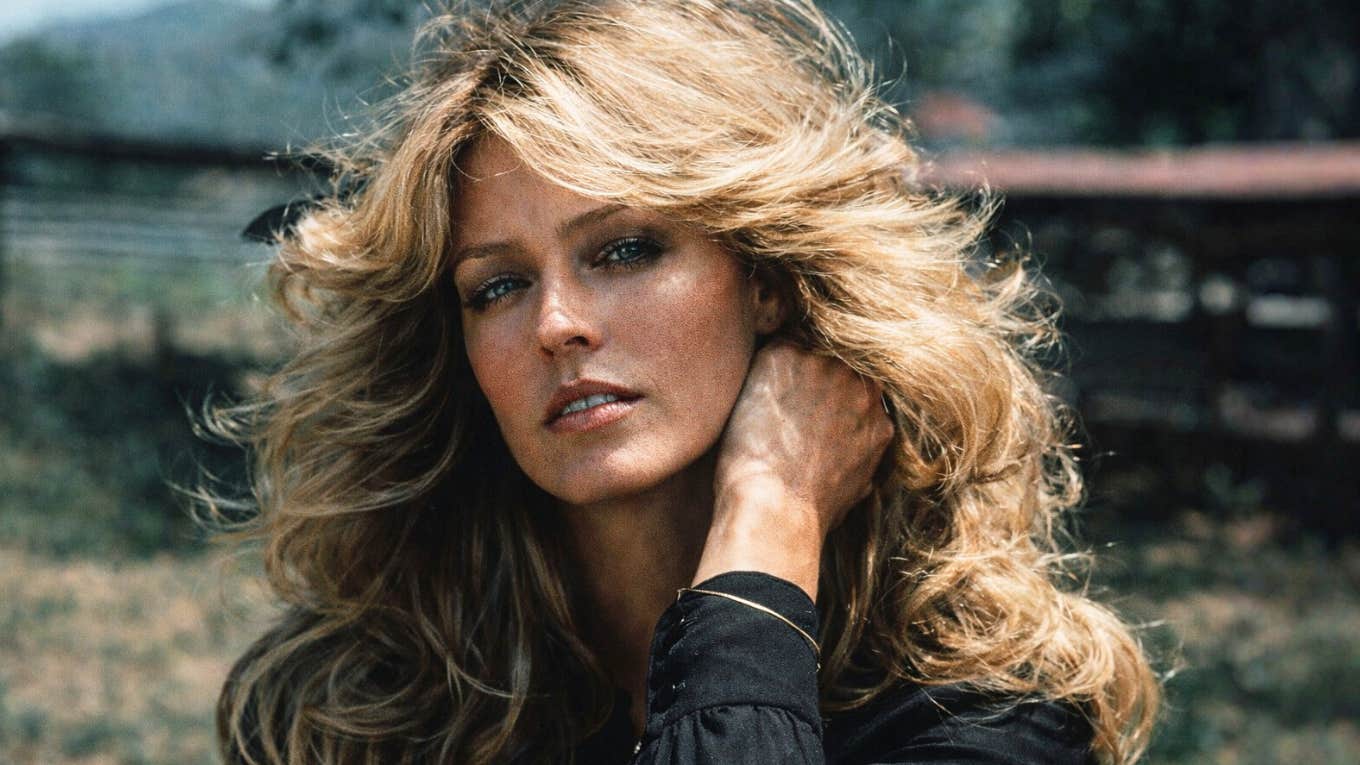 AI generated image
 I spent way too much time during my first weeks of college feeling intimidated and scared. I grew up in the small town of Dunmore, Pennsylvania (near Scranton), and went to the very public Dunmore High School, and then there I was, in 1971, at Vassar College.
At my high school, when someone said a word with more than three syllables, it was intended as a joke. Those first few weeks of college, I found myself laughing at all sorts of inappropriate times.
The first weekend of my first semester of college, I went to a movie on campus with many other students. On the way back, several of those students were analyzing what they had just seen.
What did it really mean? What was wrong with the assumptions in the film and the portrayals of different kinds of people? I had never discussed a movie with my friends in that way. I was sure I was going to flunk out.
Single women on TV in the 60s and 70s were doing something that felt shockingly bold at the time
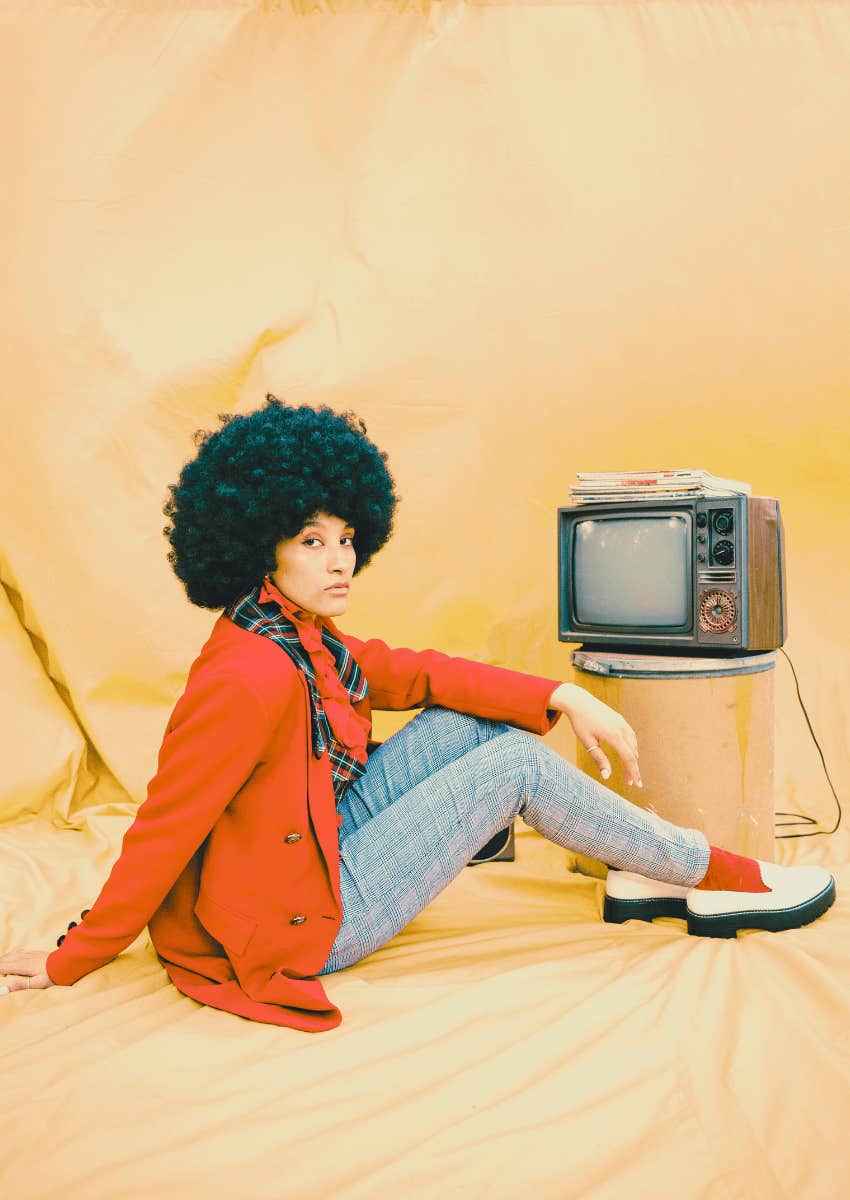 Dwayne joe / Unsplash+
Those Girls: Single Women in Sixties and Seventies Popular Culture
Now I love to think critically about popular culture, and to read other people’s analyses, especially when the topic is the portrayal of single people. A book from 2011 is still one of my favorites: Katherine J. Lehman’s Those Girls: Single Women in Sixties and Seventies Popular Culture.
From our 21st century vantage point, when the median age at which Americans first get married is 28.1 for women and 30.5 for men (and even higher in other parts of the world), it is sobering to be reminded that in 1960, only 7% of 30-year-old women were not married. The subsequent decades were significant in part because that’s when the number of people living single began to increase markedly. That seismic demographic shift is still in motion.
Lehman also reminds us that even apart from how single women were depicted on TV, the mere fact that they began to appear in prominent roles at all, was itself significant. Before the 60s, producers worried that a single woman “would fail to carry a series and capture viewers’ loyalty.”
As the number of single Americans continued to climb, though, single women (usually called “girls”) began to be cast in lead roles. Concerns about viewer loyalty were forcefully addressed by the success of series such as The Mary Tyler Moore Show, That Girl, Charlie’s Angels, Cagney and Lacey, The Bionic Woman, and many more.
The rise in the number of singles was not the only significant change during the 60s and 70s. What it meant to live single was also completely redefined. Things we take for granted from our contemporary perch — for example, that young adults will leave home and spend substantial amounts of time on their own; that they can have an intimate life outside of marriage if they so desire; that single women might want to work, and at many of the kinds of jobs that were once considered the domain of men-only — were all new trends, often provoking tremendous uncertainty and anxiety.
Skimpy Attire But Strong Messages: Single Women in Popular Media in the Past Decades
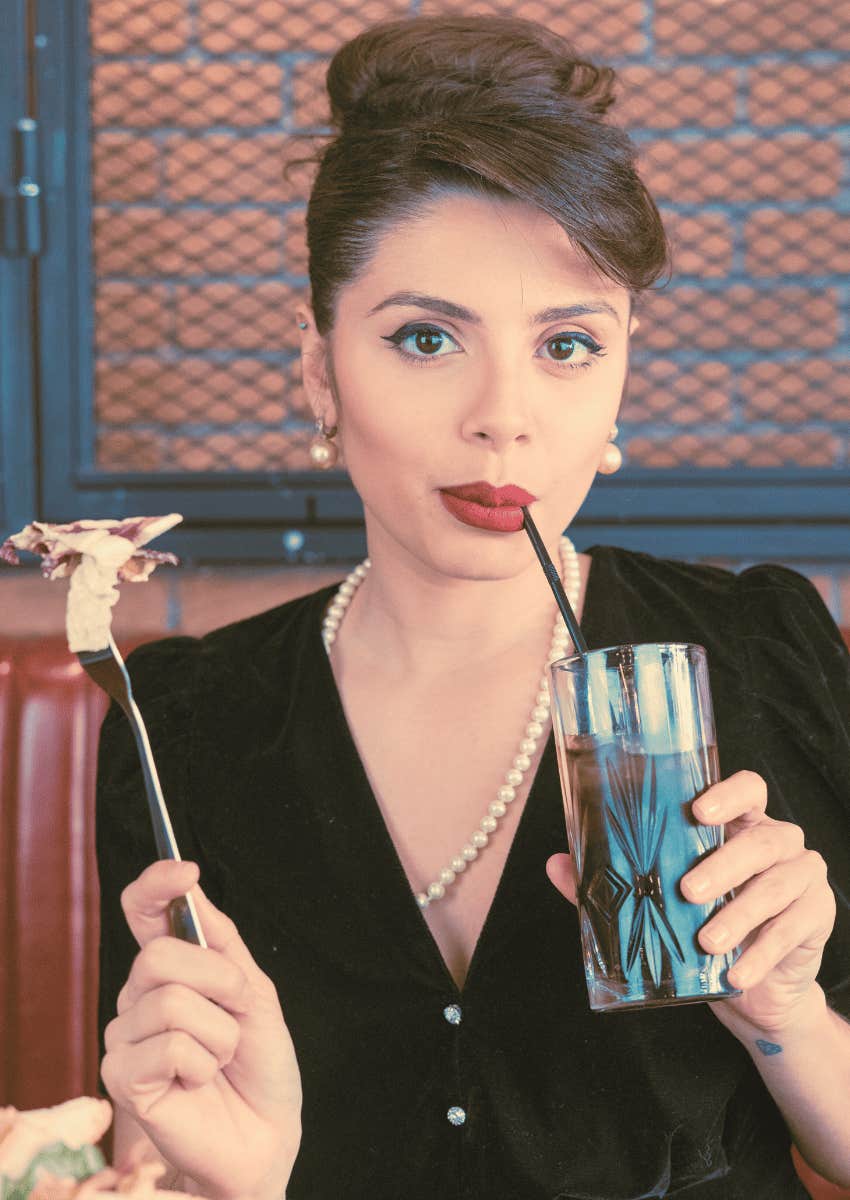 Michael Dagonakis / Unsplash
So what did Lehman learn about the storytelling about single women in 1960s and 1970s movies and television? Would single women who ventured into the city discover that they really could make it on their own, or would they find that they were courting danger?
Would single women who wanted to pursue intimate experiences be glamorized or punished? What should we make of the heroines of series such as The Bionic Woman and Charlie’s Angels? Should we mock them for their skimpy and silly attire, or admire them for modeling single-women strength in arenas typically dominated by men?
The answers considered in Those Girls: All of the above. Different shows aired different perspectives, and even when just one show was considered, different critics offered different appraisals. In the Mary Tyler Moore Show, for example, viewers already knew from the opening theme song that Mary was going to make it on her own, and that there would be some glamour to the single life. Looking for Mr. Goodbar, in contrast, offered a cautionary tale of desperation and danger.
Here’s Lehman’s bottom line about single women in 60s and 70s popular culture:
“…it is high time to reevaluate the image and importance of the ‘single girl.’ Historically, the media have associated the 1960s — 1970s young single woman with girlish femininity and a commercialized singles scene. As many of these singles embraced female beauty culture and eschewed feminism, they are rarely included in official histories of second-wave feminist activism.
This book argues that single women, regardless of their feminist stance, were essential to processes of social and political change. As young single women dared to move away from their families, delay marriage, obtain birth control, and make their way in the workplace, they may have been following their individual desires. Yet they advanced the cause of women as they entered patriarchal professions, sought pleasure on their own terms, and spoke out about assault. In addition to consciousness-raising groups and protest marches, young women’s life experiences helped spur changes in laws and social attitudes.”
Although Those Girls is not about contemporary popular culture, in the Epilogue, Lehman reflects on Mad Men, the wildly popular TV series that originally aired from 2007 through 2015, about an advertising agency in the early 60s:
“More than mere nostalgia, this series serves as a sobering reminder of the important role single women played in creating social change, and the discrimination they faced in their professional and personal lives before the rise of second-wave feminism.”
I’d add the qualification that singlism persists even now, and single men as well as single women are targets of that stereotyping and discrimination. (Twenty-eight authors, experts, and activists joined me in documenting and discussing contemporary instances of singlism in the book, Singlism: What It Is, Why It Matters, and How to Stop It.)
Mad Men is over, and now scholars of single life are not just critiquing the representations of single people in popular culture; they are also offering forward-facing, enlightened advice for writing single characters. Just this month (February 2021), for example, Craig Wynne published “How to write a character who is single,” for Writer’s Digest. Next up: I want someone to offer an entire course on the topic.
Bella DePaulo (PhD, Harvard) is the author of the award-winning Single at Heart: The Power, Freedom, and Heart-Filling Joy of Single Life. She has been writing the “Living Single” blog for Psychology Today since 2008, and her TEDx talk has been viewed more than 1.7 million times.
