
11 Reassuring Signs You Were The Kind Of Parent Your Kids Truly Needed
 Rohappy / Shutterstock
 Most parents don’t walk around feeling confident they got it right. You remember the days you lost your patience, the rules you questioned, the moments you worried you were too strict or not strict enough. Parenting rarely feels tidy in real time. It feels reactive, exhausting, and uncertain more often than it feels triumphant.
But children don’t need perfect parents. Developmental psychology consistently shows that what shapes kids long term is emotional consistency, responsiveness, and a stable sense of safety. The signs that your parenting mattered often show up quietly years later. If these patterns are present, it’s a strong indication that you gave your kids exactly what they truly needed.
Here are 11 reassuring signs you were the kind of parent your kids truly needed
1. Your kids feel comfortable telling you hard truths
 Prostock-studio / Shutterstock
When something goes wrong in their life, they don’t hide it from you indefinitely. They may hesitate at first, but eventually they come forward. Children who feel emotionally safe with caregivers are more likely to disclose mistakes and vulnerabilities.
That trust doesn’t form overnight. It develops through repeated experiences of being heard without humiliation. If your child believes you’ll respond with guidance rather than panic, that’s intentional parenting at work. Openness is a sign of relational security. It means your home was a safe landing space, not a courtroom.
2. They can regulate their emotions without shutting down
 PreciousJ / Shutterstock
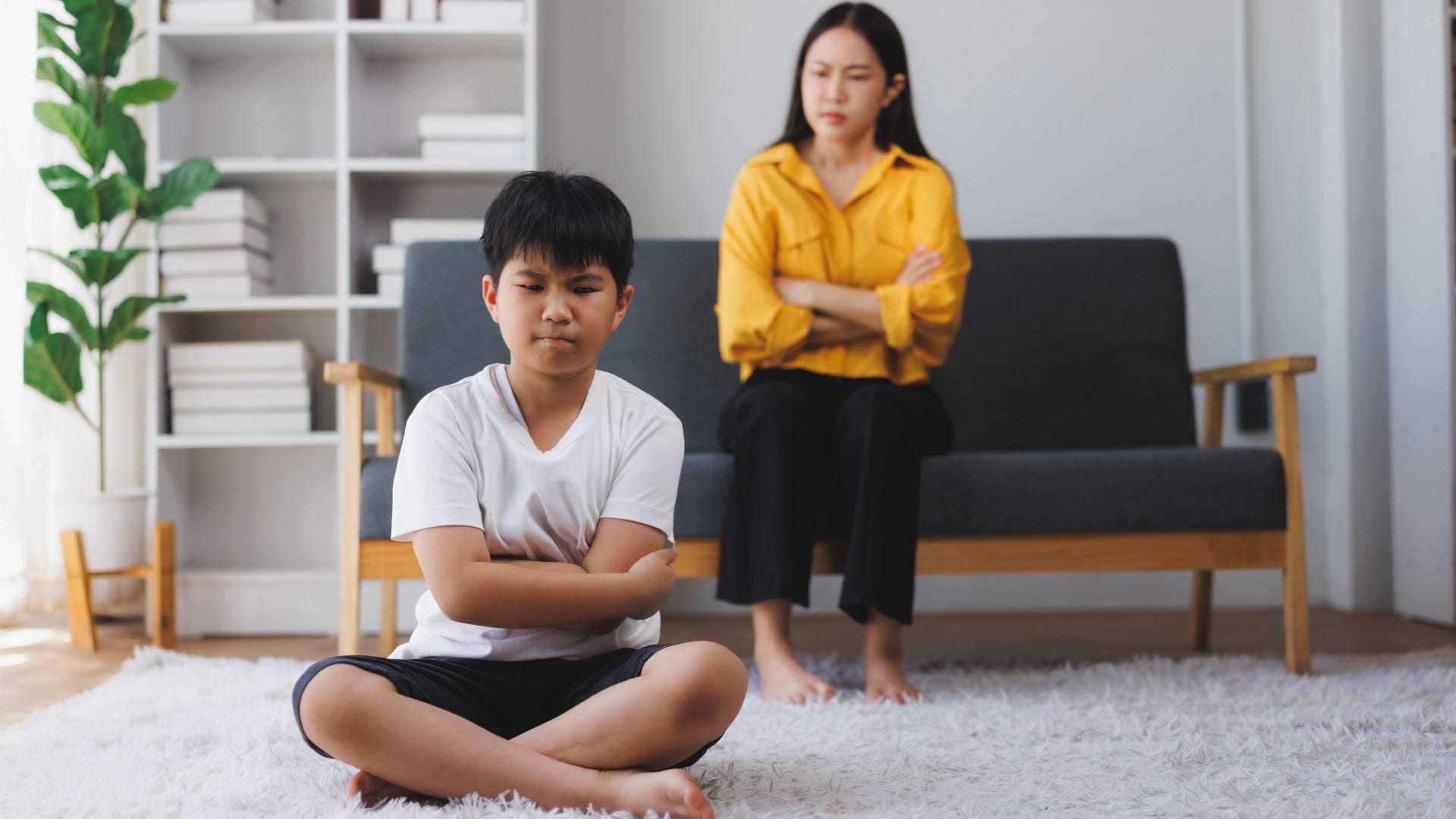
Emotional regulation doesn’t mean they never feel deeply. It means they recover. Studies consistently link emotionally responsive parenting with stronger self-regulation in adolescence and adulthood.
If your child can feel anger, sadness, or disappointment without spiraling indefinitely, they likely learned how to process emotion from you. You probably named feelings when they were young. You modeled calming strategies instead of explosive reactions. Those patterns become internalized. Regulation is taught through example. If they have it now, it was built somewhere.
3. They show empathy toward others
 Studio Romantic / Shutterstock
Empathy is modeled. Kids who observe compassionate behavior at home are more likely to demonstrate it socially. If your child notices when someone feels left out or upset, it reflects emotional attunement.
That awareness usually begins in households where feelings were acknowledged. When children feel understood, they learn how to understand others. Empathy suggests their emotional world was validated. It signals that you valued kindness over status. That foundation travels with them.
4. They can handle constructive criticism
 Krakenimages.com / Shutterstock
Being able to receive feedback without collapsing into shame or defensiveness is a powerful adult skill. Children raised with clear expectations and emotional support tolerate correction better.
If your child can adjust behavior without seeing it as a personal attack, that’s maturity. They learned that mistakes do not determine your identity. Feedback wasn’t delivered as humiliation. You likely balanced standards with reassurance. That balance builds resilience. It means discipline shaped growth rather than fear.
5. They take responsibility for their actions
 fizkes / Shutterstock
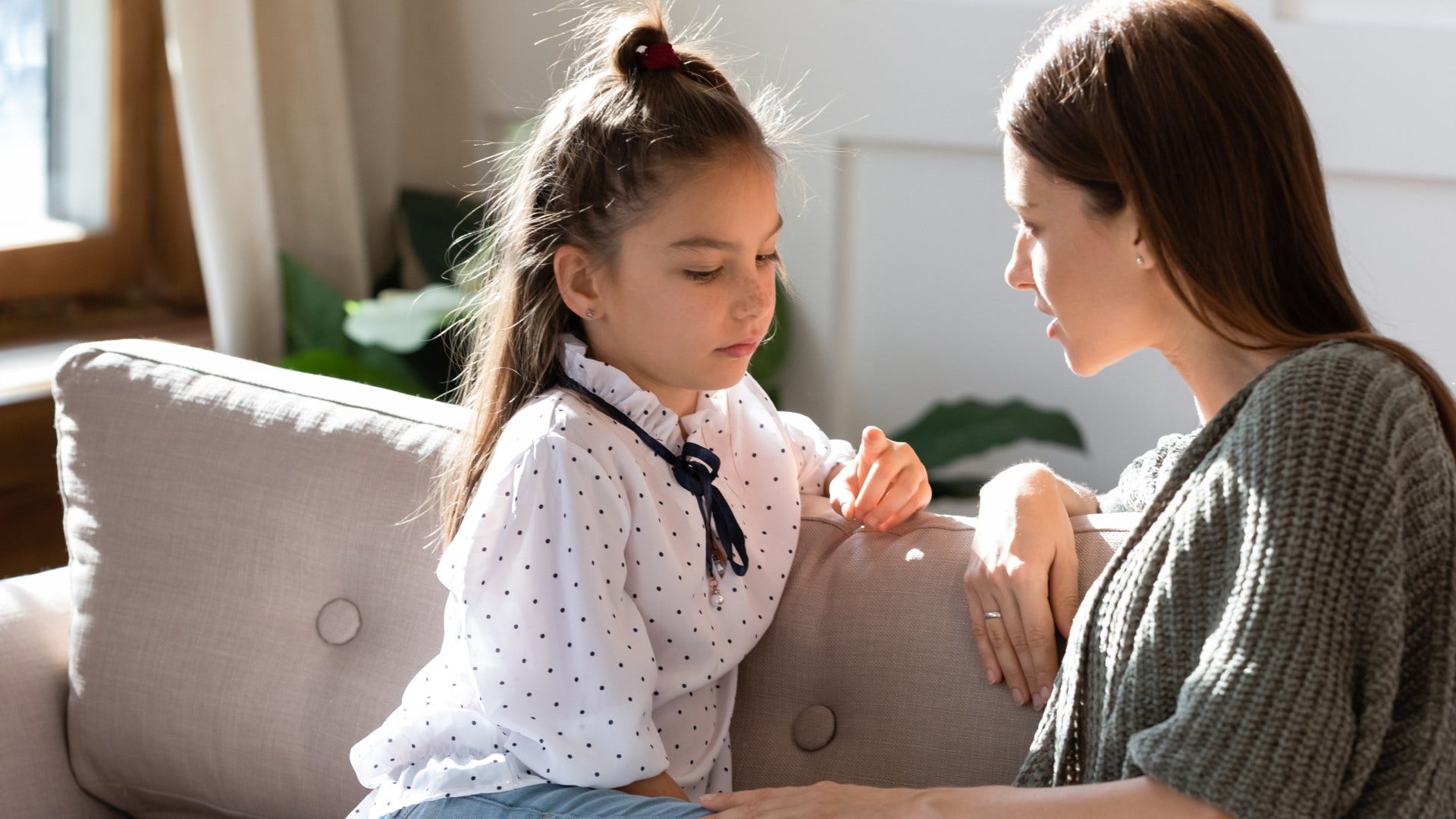
Accountability is one of the clearest long-term outcomes of consistent parenting. Research connects predictable consequences with stronger executive functioning and ethical reasoning.
If your child owns their mistakes without needing external pressure, internal standards have formed. You probably held boundaries steadily rather than inconsistently. You separated behavior from worth. Over time, they absorbed that model. Responsibility becomes intrinsic rather than imposed. That shift reflects stable guidance.
6. They maintain relationships beyond convenience
 MAYA LAB / Shutterstock
Secure attachment in childhood often translates to healthier adult relationships. If your child values long-term friendships or maintains family bonds voluntarily, it suggests a sense of relational security.
Early emotional safety supports stronger adult attachment patterns. They learned that the connection is stable, not fragile. If they consistently invest in people, it reflects early modeling. Loyalty doesn’t develop in chaos. It develops in steady environments. Your example likely taught them that relationships matter.
7. They are comfortable being themselves
 Volodymyr TVERDOKHLIB / Shutterstock
Children who are allowed to express their personalities without constant criticism tend to grow into adults with clearer identities. Research on self-determination theory highlights autonomy as a key developmental need.
If your child feels confident pursuing their interests, even when they differ from yours, that signals healthy individuation. You likely encouraged exploration rather than rigid conformity. Authenticity feels safer when it wasn’t punished. If they show up as themselves comfortably, that security has roots.
8. They respect boundaries
 fizkes / Shutterstock
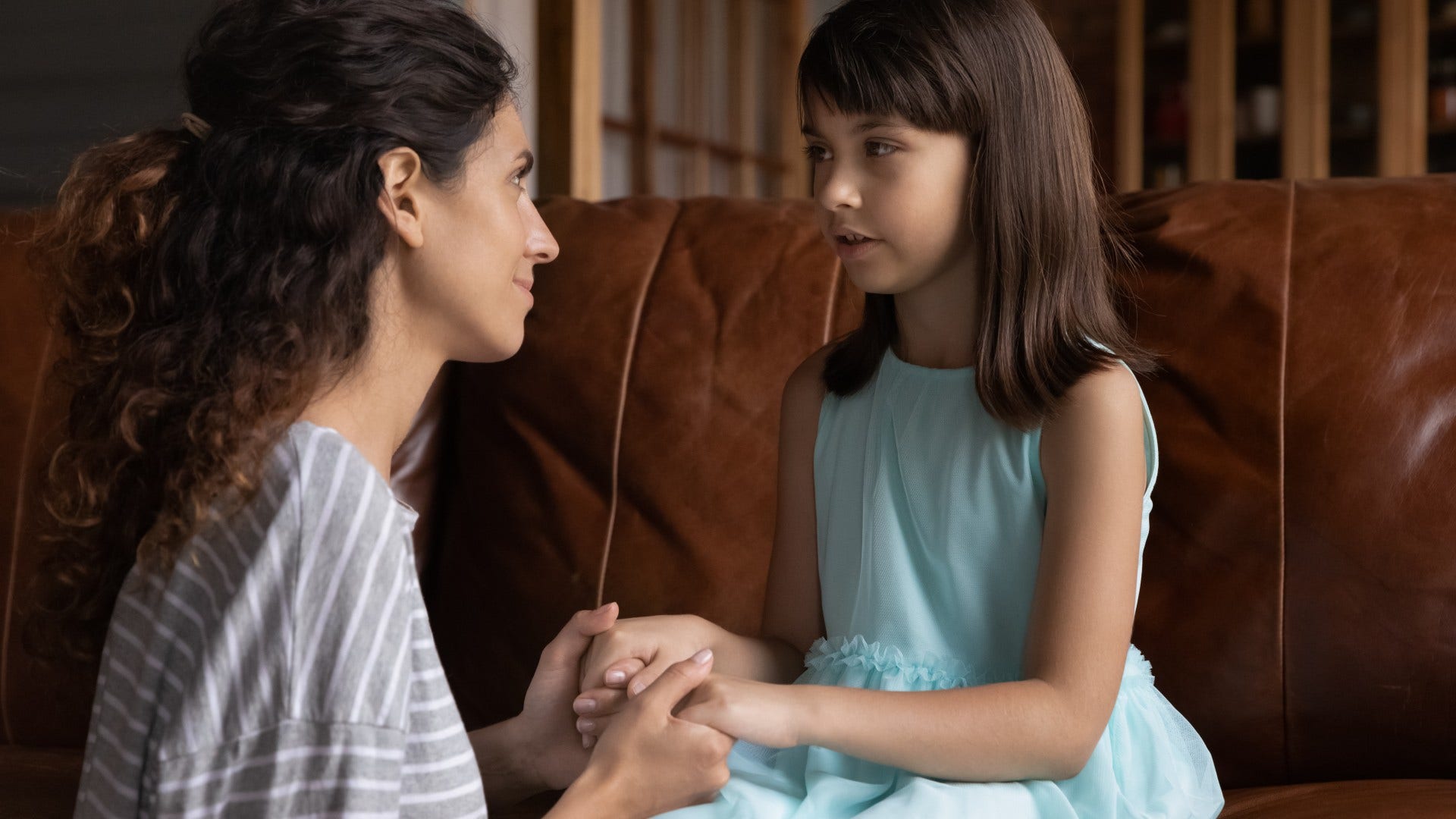
Kids who grow up with consistent boundaries often become adults who understand limits. Research consistently links clear parental expectations with stronger interpersonal respect.
If your child can say no respectfully and also hear no without imploding, that’s emotional maturity. Boundaries weren’t weaponized or ignored in your home. They were modeled calmly. That modeling becomes an internal structure. Respect for limits reflects both safety and discipline. It signals balanced parenting.
9. They don’t crumble under normal life stress
 pics five / Shutterstock
Stress is inevitable. The key is response. If your child manages everyday pressure without constant crisis, they likely learned coping skills early. Parental co-regulation in childhood supports stronger adult stress tolerance.
You probably helped them navigate challenges rather than rescuing them instantly. That built competence. Confidence grows when children solve problems with support. If they can face setbacks without unraveling, that resilience was cultivated.
10. They still want you in their life
 fizkes / Shutterstock
Perhaps the most reassuring sign is simple: they choose to stay connected. Adult children who voluntarily call, visit, or seek advice reflect secure attachment. Early emotional responsiveness predicts ongoing closeness.
They don’t need you out of obligation. They value you out of trust. That distinction matters. If your presence feels safe rather than stressful, you did something right. Parenting success often reveals itself in continued connection.
11. They aren’t afraid to try and fail
 DimaBerlin / Shutterstock
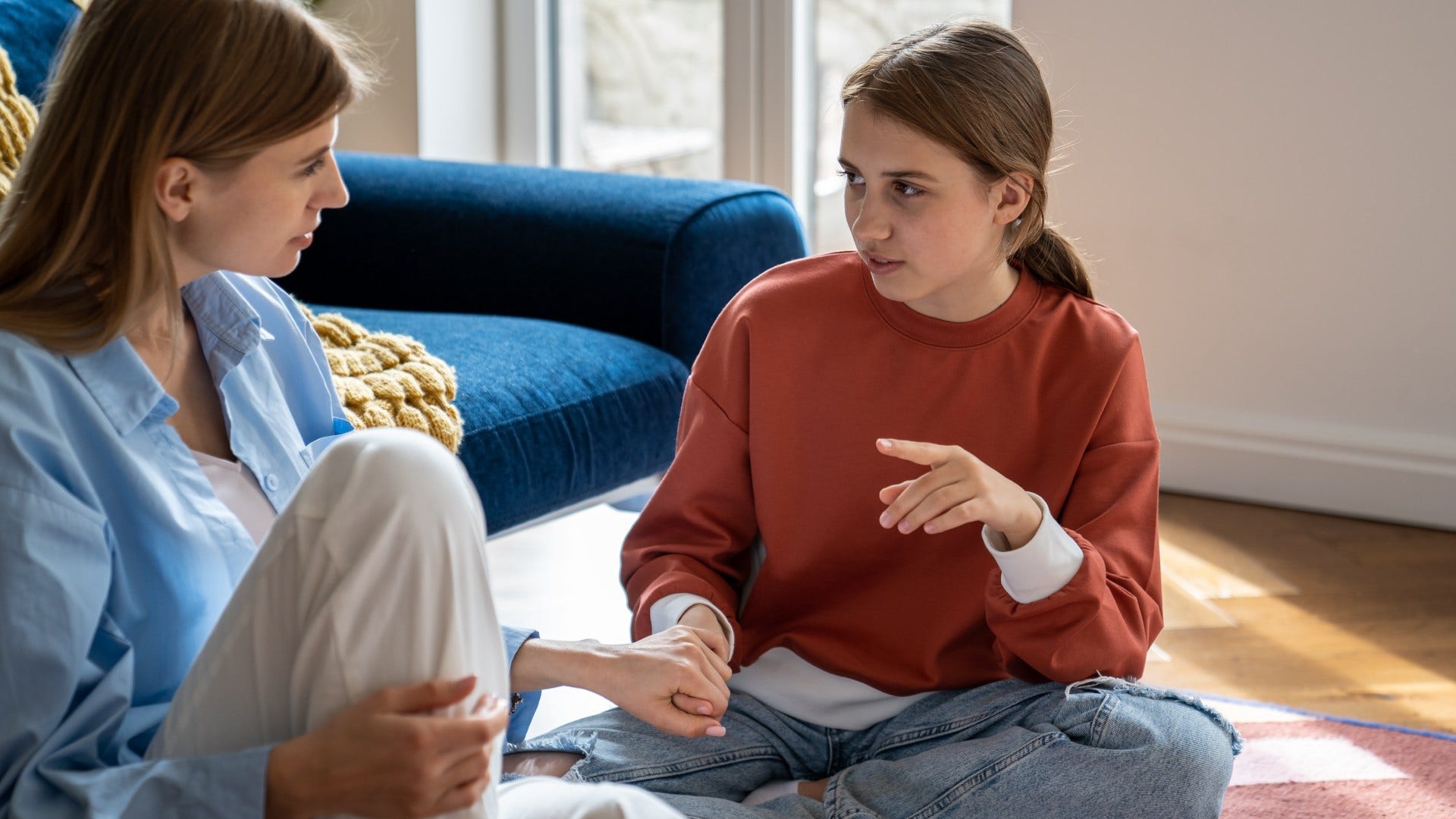
One of the clearest long-term signs of healthy parenting is a child who takes risks without being paralyzed by the possibility of failure. Children who were praised for effort rather than just outcomes develop greater resilience.
If your child applies for the job, tries out for the team, starts the project, or speaks up even when success isn’t guaranteed, that confidence didn’t appear randomly. It usually grows in homes where mistakes were treated as part of learning rather than proof of inadequacy. You likely responded to setbacks with perspective instead of panic.
Over time, that teaches children that failure isn’t fatal. It becomes information. When adults can stretch themselves without collapsing under imperfection, it reflects early emotional safety. If your child keeps showing up despite uncertainty, your parenting built courage.
Sloane Bradshaw is a writer and essayist who frequently contributes to YourTango.
