
6 Simple Parenting Habits That Create Really Healthy Kids, Says Family Therapist
 Winnie Bruce| Canva
 Family therapists tend to see clear patterns in the homes where kids really thrive. These are simple practices that any parent can start today, making a real difference in how children develop physically, emotionally, and mentally — and the most rewarding part is that these habits benefit the whole family, not just the kids. Here are six parenting approaches that consistently create healthier, happier children.
Here are 6 simple parenting habits that create really healthy kids, says a family therapist:
1. Resigning from the clean plate club
When you force your kids to eat everything on their plates, you're teaching them to ignore their bodily signals telling them they're full. “Normal eaters” often leave food on their plates because they heed the signal. Compulsive eaters don’t stop until the box of cookies is empty or they're overly full. They no longer hear the signal that says enough.
A study found that boys whose parents insisted they clean their plates ended up requesting bigger portions when they ate away from home. The researchers found that teaching children to ignore their own fullness signals and finish what's on their plate actually backfires, as they never learn to control their own eating habits.
2. Modeling healthy portion sizes
 Mizuno K / Pexels
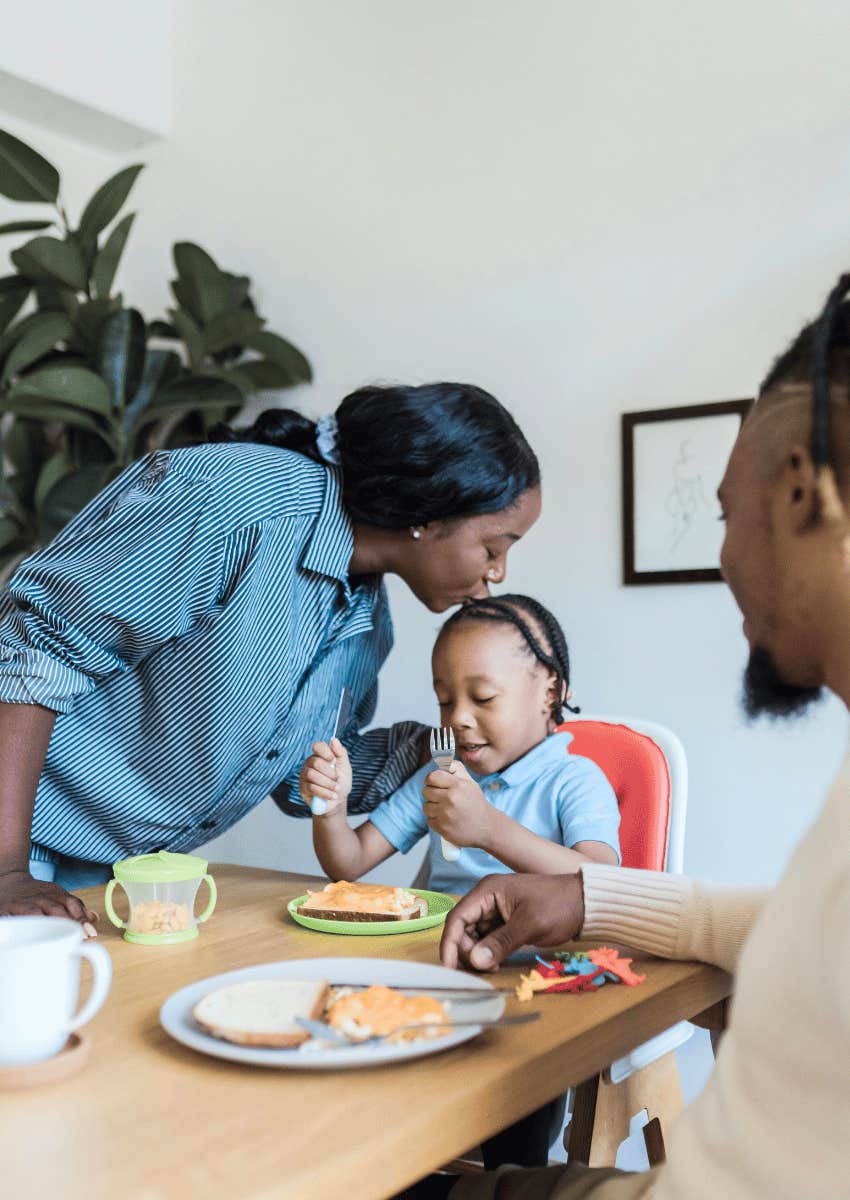
Learn how much your kid needs to eat to grow up healthy. Portion size is vital. Ask your pediatrician or ask a dietitian for assistance with this, and make sure you include healthy foods from each food group. Even preschoolers can learn to distinguish between a protein, carbohydrate, or fat. If your kid doesn’t like spinach or fish, find another comparable food instead.
Take your kids food shopping with you and have them help you choose healthy foods. As they get older, show them how to read the food labels. Make a game of learning how to dole out healthy portions. You can teach older kids about additives and how to avoid those that are unhealthy.
3. Not using dessert or treats as a reward or punishment
Certain holidays or special events are often associated with food. What’s a birthday without a cake or Halloween without candy? We all respond to praise, but when rewards for achievement come in the form of high-calorie snacks or desserts, your kids may grow up as adults who continue to celebrate a job well done by consuming unhealthy amounts of calories.
When my kids were little, I avoided this by using compartmentalized dishes (similar to the ones that contain TV dinners). I put all the food out at once, including the dessert. That way, dessert wasn't made so important. It was just part of the meal.
Researchers in the Netherlands followed over 3,600 kids and discovered something interesting about using food as rewards: Parents who rewarded their 4-year-olds with sweets ended up with 9-year-olds who were emotional eaters and pickier about food because the treats became way more valuable than healthy foods in the kids' minds.
4. Recognizing that stress triggers cravings
 Alex Green / Pexels
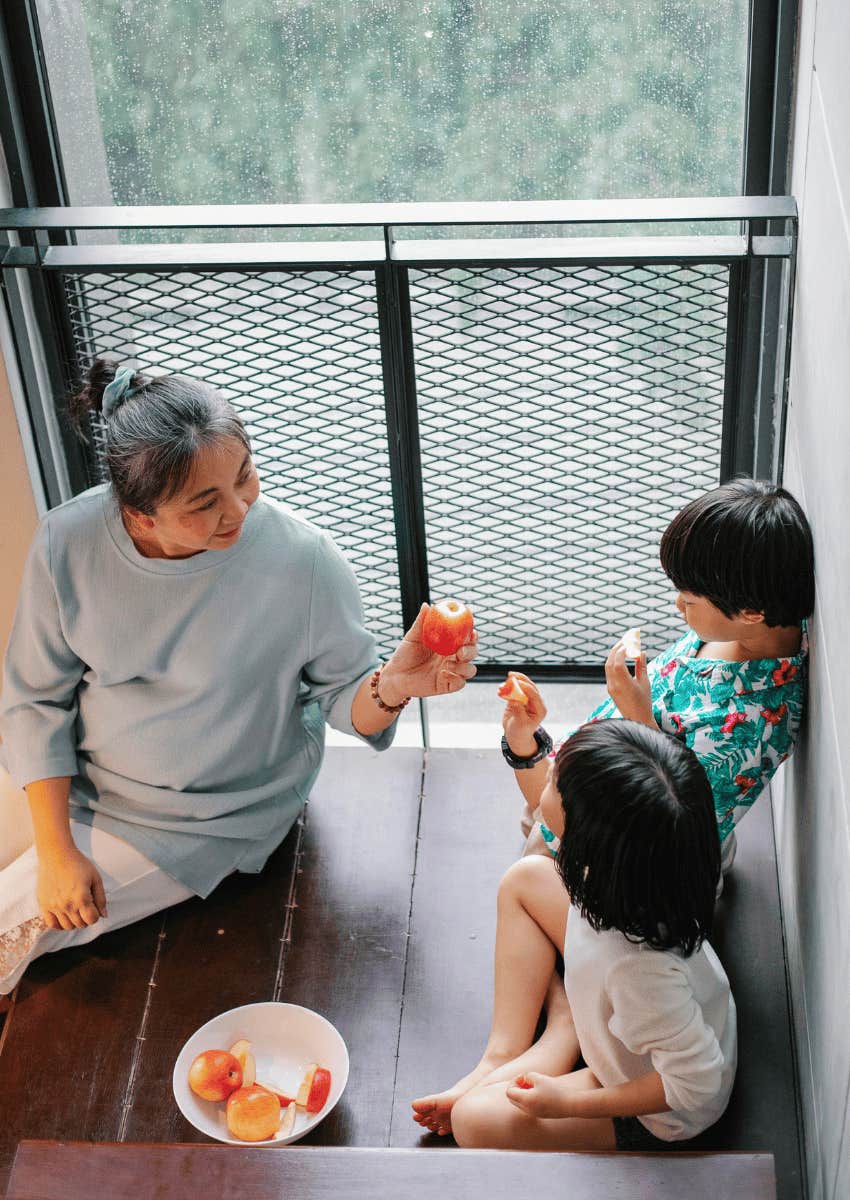
Most compulsive eaters use food as a tranquilizer to treat unhappy feelings. Researchers at Stanford now know that cravings arise in our brain when life stresses upset the balance between the brain chemicals dopamine and serotonin. Serotonin is the soothing neurotransmitter. When we eat yummy food, our serotonin levels rise.
Therefore, notice when your kids feel stressed, and teach them how to deal with their unhappiness or anxiety without food. Encourage them to share what's causing the stress. Listen attentively and help them resolve the unhappy emotions.
5. Not giving embarrassing nicknames
When I was growing up, my parents had a friend whose nickname was Tubby. He was an enormously fat man. He always appeared amiable, but I wonder how he really felt when he heard people say it.
If your kid is plump, refrain from calling him/her names or embarrassing him/her about looks. Instead, look for ways to build self-esteem. Perhaps he/she excels in other areas, like music or dance.
One study found that more than half of teenage girls had been teased about their weight by family members. The girls who experienced this kind of teasing from their families had way more body dissatisfaction and were more likely to develop unhealthy eating habits.
6. Being a healthy role model
The do as I say, not as I do philosophy sets a very destructive example for kids. Are you a good role model for them when it comes to nutrition, food choices, snacking, and food shopping?
Are you a compulsive overeater? Do you constantly go on and off fad diets, hiding sweets and cheating? Do you hate your body? What do your kids hear you say about yourself when you look in the mirror?
If you don’t like your own body, you're training them to think that how you look is more important than who you are. When you use these six suggestions as a guide, you're investing in your kids' future, enabling them to grow up as healthy and happy adults free of eating disorders.
Gloria Arenson is a psychotherapist, specializing in energy and power therapies. She is the author of popular books on eating disorders and compulsive behavior, conducts classes and workshops nationwide, and trains professionals in Meridian Therapy.
