
People Born In The 1950s Were Raised Differently Than The Rest Of Us In These 11 Ways
 LightField Studios / Shutterstock
 Compared with parenting styles today, kids raised in the 1950s were taught very different life lessons and expected to cultivate independence in ways that were often harsher.
Parents back then expected their children to spend time alone and resolve their own problems, whereas modern parents are more careful to oversee and protect their kids from harm and discomfort. Kids in the 1950s were parented in ways that often lead them to exhibit higher levels of resilience and independence.
Of course, modern gentle parenting styles require an appreciation of a certain level of emotional intelligence and regulation skills that are important for adults to cultivate, but still lack a balance of these practical, tangible skills.
People born in the 1950s were raised differently than the rest of us in these 11 ways
1. They were taught to always respect adults
 Fast-stock | Shutterstock.com
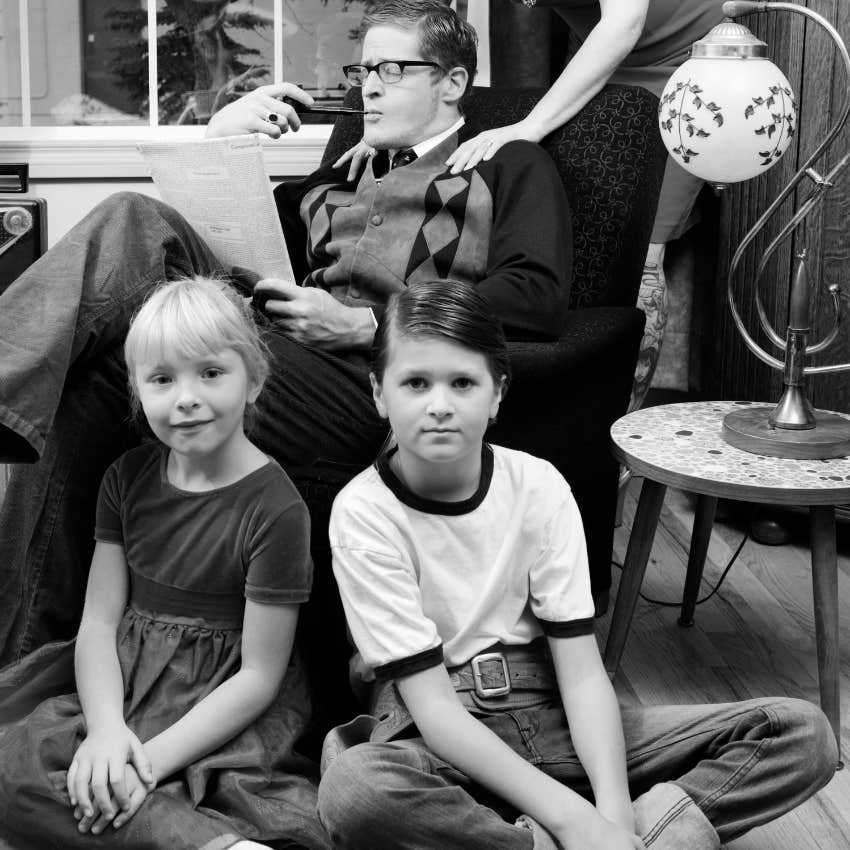
For people born in the 1950s, parents felt like authority figures in the home, and teachers were expected to respect regardless of reciprocity. While many younger generations today, equipped with the tools to set boundaries and protect their energy, frame respect around acknowledgement, rather than age, kids in the ’50s didn’t have a choice.
Respecting your elders was a core tenet of their families and lives. They were expected to know their place as children and follow instructions and orders from adults without any pushback or complaint.
2. They were parentified from a young age
From managing babysitting responsibilities and household labor to being offered independence with free time from much younger ages than parents today allow, people born in the 1950s were expected to mature differently from the rest of us today. While gentle parenting styles today protect the innocence and immaturity of young children, children in the 1950s had no choice but to assume strong roles in their families.
From running errands to free up time for their parents to resolving conflicts with friends on their own, they were left to manage their own boredom and fill their time without much oversight.
3. They dealt with harsh discipline
Whether it was from their teachers, in much less regulated schools and classrooms than today, or from their parents, discipline was an inevitable part of life for people born in the 1950s. If they didn’t respect authority in the ways they were expected to or follow the rules of the household, they were expected to tolerate and manage the discipline that came from it on their own.
Of course, modern research has revealed the harm that harsh discipline, especially from parents, can cause to childhood development and cognitive growth, but at the time, it was simply the norm.
4. They managed their boredom without screens
While they’ve become normalized in modern culture among busy parents hoping to distract and entertain their kids, technological supplements for activities like unsupervised outdoor play truly harm children’s cognitive, social, and emotional development.
However, people born in the 1950s were raised differently from the rest of us. They were expected to manage their own boredom without screens, solve their own problems without parental oversight, and keep themselves entertained, even when it wasn’t easy or fun.
5. They walked to school and played unsupervised
 Iryna Inshyna | Shutterstock.com
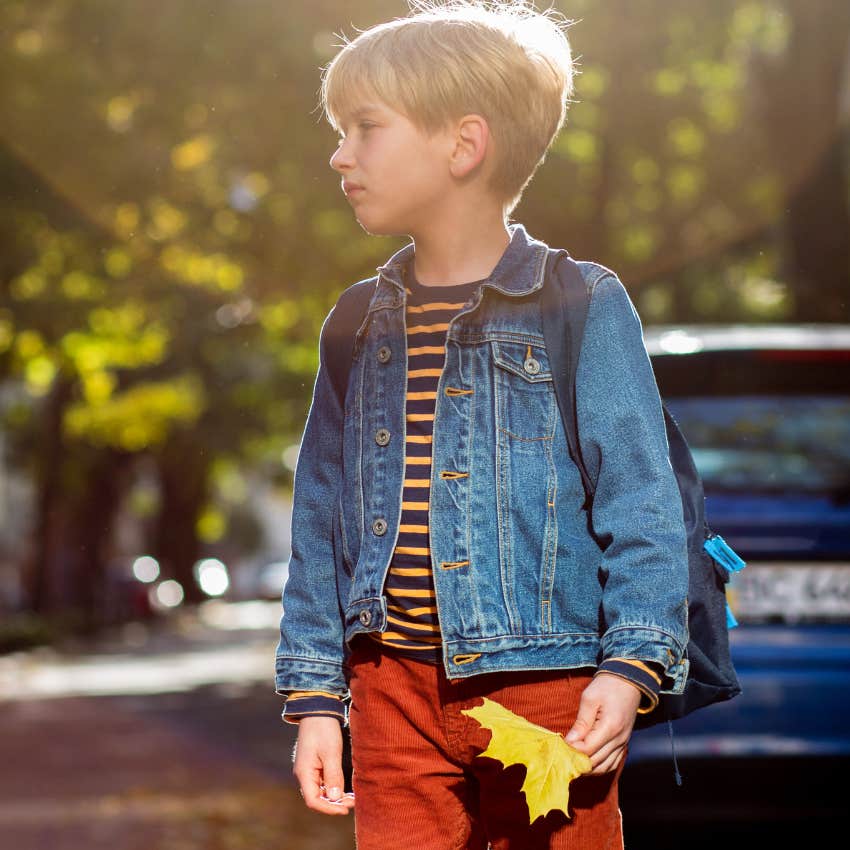
Despite being controversial for modern parents who’ve taken on an added layer of anxiety about their children’s safety today, unsupervised play is truly healthy for kids. Not only does it boost their independence, but it also cultivates better creativity, cognitive skills, and resilience.
Kids from the 1950s were always doing things on their own. They may have been parentified in some parts of their lives, but activities like playing outside with friends without parents around or walking to school on their own were healthy ways to cultivate independence and self-regulation.
6. They were ‘parented’ by other adults
Whether it was receiving some form of discipline for misbehaving in classrooms or being corrected by neighbors while playing outside, many kids from the 1950s grew up being “parented” by other adults.
While today’s parenting culture often considers this tendency to correct and “parent” other people’s kids controversial, largely because of the pride and shame that’s so ingrained in their experiences, it was normal just a few decades ago.
7. They were expected to cope with their own feelings
Compared with today's gentle parenting styles, which center on children’s emotions, encourage them to ask for help, and create safe spaces to resolve conflicts, people born in the 1950s were raised very differently from the rest of us. Still living with mental health stigma in their households and society at large, parents often lead by example in suppressing their emotions and invalidating their big feelings.
Of course, today we understand that consequences often arise from suppressing emotions on both emotional and physical levels, but a few decades ago, it was normal. Emotions were demonized, and kids were expected to practice emotional stability without having any examples or lessons in doing so.
8. They were taught to fix things before replacing them
From literal objects and material possessions to metaphorical relationships and connections, kids in the 1950s were taught to fix things rather than replace them. With parents who cultivated strong loyalty at work and in relationships, and frugal spending habits, the convenience culture many parents embrace today was nowhere to be found.
Relationships were something you left the second they got hard. Material possessions weren’t something they had the resources or money to immediately replace if something better came along.
9. They were expected to do chores without compensation
 Maria Sbytova | Shutterstock.com
While kids today often expect some kind of allowance, recognition, or award for helping with chores or household labor at home, for people born in the 1950s, these tasks and responsibilities weren’t optional. Kids were parentified from a young age to play a strong role in the family dynamic, whether it meant cleaning the house, running errands, or even getting a job.
Resources and money were limited, making it necessary for kids in these old-school homes to play their roles and help their parents, even when it was uncomfortable or inconvenient.
10. They were held to traditional roles and expectations
While parents and households today largely benefit from shifting gender roles and norms in their families, people in the 1950s believed that these stereotypes were a fact. From raising women to be housewives and caretakers to empowering men to adopt traits revolving around masculinity, it’s clear that people born in the 1950s were raised differently than the rest of us in these ways.
Of course, patriarchal pressures and old-school gender norms are still alive and well in many ways today, both on an individual and institutional level, but for the most part, modern parenting styles are adjusting to offer their kids more freedom in expressing and embodying their gender.
11. They were expected to be patient
Patience is often learned by children from their parents’ modeled behaviors and life lessons. So, it’s not necessarily surprising that, in today’s convenience culture, where instant gratification and immediate comfort are ingrained in adults’ everyday lives, kids struggle to embrace discomfort and learn patience.
However, people born in the 1950s, during socially tumultuous times, were taught patience and resilience from a young age. Things like boredom, responsibility, and independence were facts of life, and kids didn’t often have the luxury of pushing back against them or their expectations.
Zayda Slabbekoorn is a senior editorial strategist with a bachelor’s degree in social relations & policy and gender studies who focuses on psychology, relationships, self-help, and human interest stories.
