
11 Things Kids In The 1960s Used To Do That Parents Today Don’t Allow Anymore
 Roman Nerud / Shutterstock
 While there’s certainly no perfect or completely correct way to parent a child, many of the things kids in the 1960s used to do that parents today don’t allow anymore could truly benefit development, bonds, and independence in modern homes. Of course, culture, internet accessibility, and social norms have all shifted greatly in the last few decades, prompting parents to take different approaches in their households, but many are overreaching and doing too much, trying to cope with their own worries.
So many parents in today’s world are coping with far more stress and anxiety than just a few decades ago. While being an overbearing parent and watching their kids' every move might offer some a bit of comfort amid the chaos of the world, it only undermines their children’s ability to regulate their emotions, solve their own problems, and develop a truly personal sense of self.
Here are 11 things kids in the 1960s used to do that parents today don’t allow anymore
1. Play outside alone
 Iagupa | Shutterstock.com
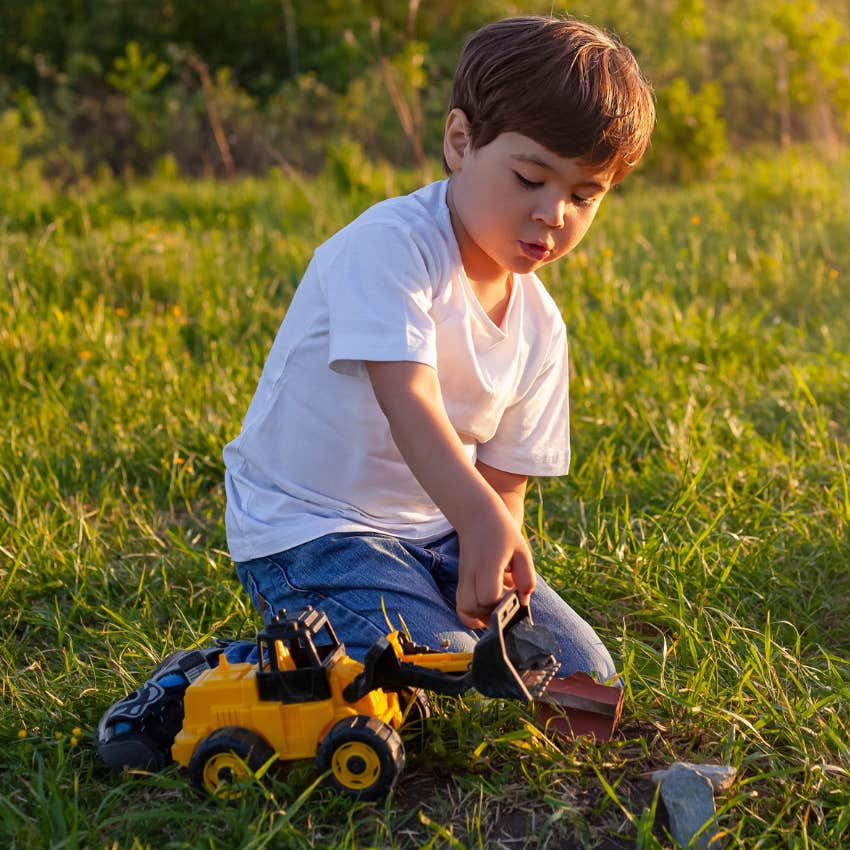
Unsupervised play was a pillar of old-school childhood experiences. While it might seem like an impossible reality for many parents today, research suggests that this kind of unstructured time is incredibly beneficial for kids’ development and socioemotional skills.
Whether it was knocking on neighbors' doors to play with their kids, wandering into town, hanging out in nature, or simply goofing around with toys outside without a parent, playing alone outside was one of the things kids in the 1960s used to do that parents today don’t allow anymore.
2. Watch their younger siblings
Watching younger siblings as an older child was an unspoken obligation for many kids in the ‘60s. If their parents weren’t going to be home or taking the younger kids with them, it was the oldest sibling's responsibility to stay home. They cooked meals, did the housework, put their siblings to bed, and dealt with boredom in their own ways.
Compared to today, when parents won’t leave home without a babysitter or childcare arranged, it’s a stark difference. Of course, societal norms around leaving kids alone at home have changed, but parental styles have also largely shifted in response to new safety concerns and the worries that internet accessibility has prompted.
3. Cook for themselves on the stove
While it might feel harmless for parents to ease their safety worries by cooking meals for their kids themselves and letting them observe, a study published in Applied Physiology, Nutrition, and Metabolism argues that kids aren’t actually learning much. Another study published in the journal Appetite suggests that kids eat less when they’re not the ones preparing their food.
That’s why, for kids in the 1960s, making their own food on the stove and learning to cook for themselves wasn’t just an obligation or expectation, but a learning experience that positively impacted every aspect of their lives.
4. Solve problems with their teachers
Many kids just a few decades ago were expected to take responsibility for their own homework and academic achievement. If they had an issue with a grade, they were the ones talking to the teacher. They were expected to manage the consequences of making bad decisions.
However, somewhere along the way, parents started playing a larger role in their kids’ academic experiences, oftentimes at the expense of their teachers’ and kids’ well-being. According to research from Stanford, getting parents involved in their kids’ academic success is important for cognitive and emotional skills. However, overbearing, overreaching parents only sabotage their kids’ independence and development in the classroom.
5. Entertain themselves without a screen
 Mariana Serdynska | Shutterstock.com
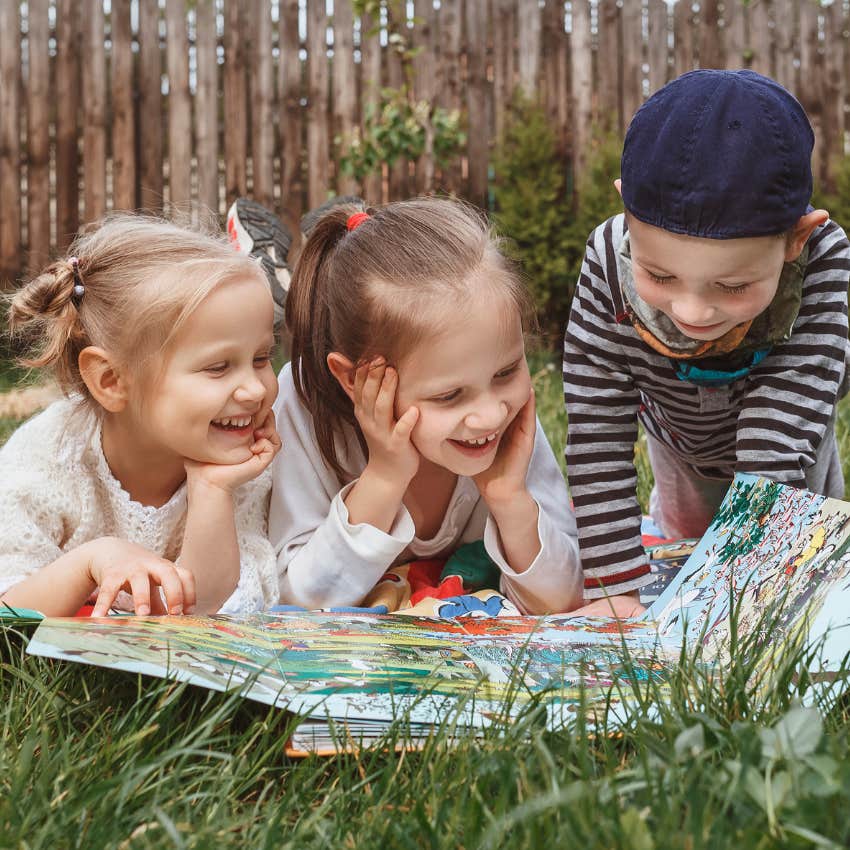
Many parents today rely on technology and screens to keep their kids entertained, whether it’s mindless entertainment on TV, video games, or cell phones. However, kids in the 1960s were expected to entertain themselves without a screen, even if that meant running around outside unsupervised or sitting with their boredom.
While this kind of excessive screen time might make a parent’s life easier in the moment by distracting their kids and leaving room for personal productivity, a study published in Cureus suggests that it actually harms child development in several physical and socio-emotional ways.
6. Be bad at things
Whether it’s being a perfect athlete by playing “travel” sports from a young age or doing a million extracurriculars to make themselves more appealing for a rigid college application process, many young people today are facing unrealistic expectations to be “perfect.” Not only have these pressures sparked a number of new mental health concerns for kids, but they’ve also altered the parental expectations parents bring into their households.
While kids in the 1960s were free to try things, make mistakes, and “be bad” at hobbies and extracurriculars for fun, many kids today feel pressured to niche down their interests and be good at everything they do.
7. Walk to school alone
According to a Children’s Independent Mobility study, in the early 1970s, around 55% of kids under 10 were allowed to run errands and leave the house on their own, compared to nearly zero in the 2010s. From changes in parental worries to broader social shifts around safety, it’s no surprise that kids in the 1960s often walked to school alone or ran errands without a parent, something parents today don’t allow anymore.
From new worries about their safety at school to an entirely new online landscape that raises safety issues for kids online, many parents today are taking on a lot more anxiety in relationships with their kids.
Of course, this is partially influenced by scary headlines and access to scary stories about kids’ safety online, but it’s also largely a cultural shift.
8. Make big decisions on their own
While parenting research and experts today acknowledge the dangers of parentifying kids from a young age, expecting them to mature and be independent, in the 1960s, things like making your own decisions and playing outside unsupervised were the norm.
Independence was expected to allow kids to play a role in the household, take on household chores, watch their siblings, and fill their own time. While parents today make a stronger effort to be present, sometimes leading to overbearing tendencies, just a few decades ago, independent kids were spending most of their time handling their own issues and entertaining themselves.
9. Ride in cars without seatbelts
 Sharomka | Shutterstock.com
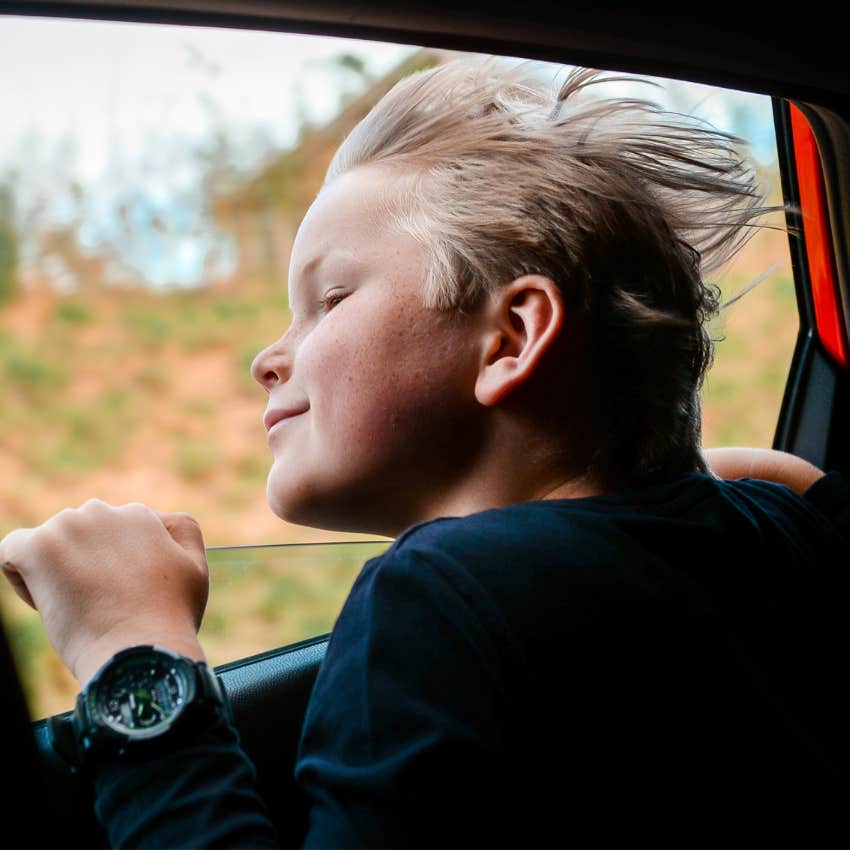
In the late 1970s, seatbelt usage was only just above 11%, according to CDC data, so it’s no surprise that riding in cars without seatbelts was one of the things kids used to do in the 1960s that parents today don’t allow anymore.
Not only have parenting priorities shifted toward more safety-conscious practices in recent years, but seatbelt laws and regulations have changed to ensure that everyone makes the choice to wear one in their vehicles.
10. Do chores without receiving allowance or praise
Research, including one study published in the Australian Occupational Therapy Journal, suggests that kids who engage in household chores tend to have better cognitive performance and academic achievement. The more involved kids are at home, the more likely they are to thrive outside of it.
While many kids today are still involved in household life like their ‘60s counterparts, there’s been a shift in compensation and expectations. While young children in the 60s were expected to do housework and outdoor chores without any compensation or praise from their parents, it was simply an obligation. Kids today expect an allowance or some kind of reward from their parents.
While this shift in entitlement is partially related to technology, it’s also largely influenced by shifts in modern parenting styles. Kids are taught to expect things from their parents, on different scales depending on the household, rather than simply taking on responsibility for the sake of growth and independence.
11. Regulate their own emotions
While gentle parenting styles today often encourage parents to make space for emotional outbursts and acknowledge their kids' big” feelings in the moment, regulating their own emotions was one of the things kids in the 1960s used to do on their own. Whether it was time-outs or soothing themselves after getting hurt playing outside, these kids grew into autonomous, independent individuals from a young age.
While more mothers spent time at home in the 1960s than working women do today, that doesn’t necessarily mean there was more quality time with their kids. From managing the household to keeping up with household labor, most kids spent most of their time unsupervised, playing outside, and keeping themselves entertained.
Zayda Slabbekoorn is a senior editorial strategist with a bachelor’s degree in social relations & policy and gender studies who focuses on psychology, relationships, self-help, and human interest stories.
