
10 Things That Run Through Your Head When You Realize Your Relationship Is Deeply Unsafe
 PeopleImages / Shutterstock
 Relationships are often confusing. No two people can read each other's thoughts (well, for the most part), so you really have no way of knowing for sure when you first start falling for someone whether their intentions are true or whether their behavior will be in your best interests.
When you first realize that the relationship you were originally so excited about is actually deeply unsafe for you, thoughts naturally start racing through your head. You may wonder how you could have been so wrong, or maybe even if you are the actual problem. That confusion and doubt are normal, and the only one who really knows the answers is yourself.
When you finally realize your relationship is deeply unsafe, these thoughts tend to run through your mind
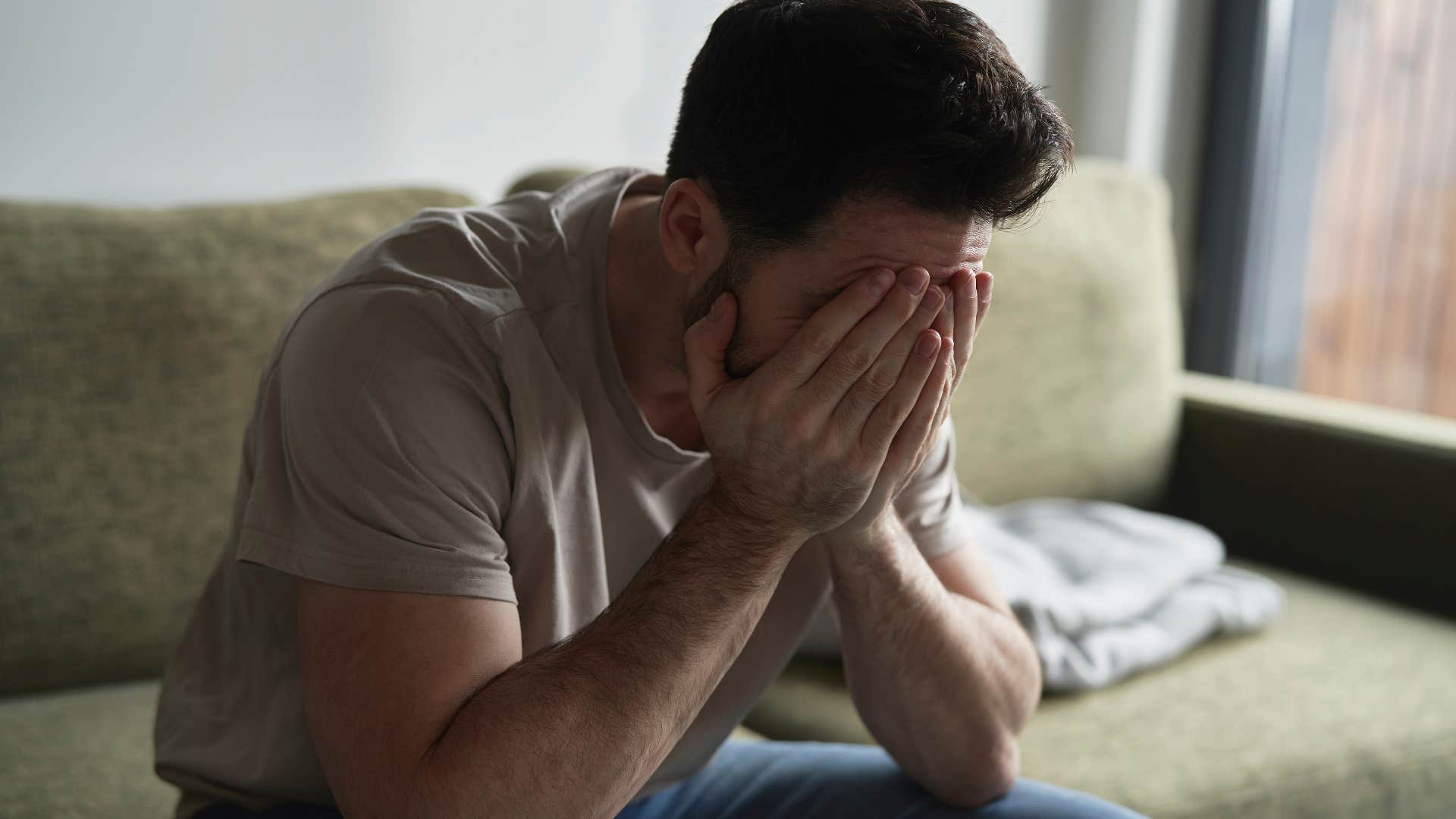
1. 'How did I get here?'
 gpointstudio | Shutterstock
When you first start to think that you aren't truly safe in your relationship, you probably wonder how you got there in the first place. It may feel like the problems came up suddenly, or if you're honest with yourself, you may be able to see the path that led you there. Either way, you realize you're now in a situation you don't want to be in and wonder how that happened.
Manipulative people are masters at making sure you feel safe at the beginning. If you didn't see the danger coming, there's a good chance it's because they didn't want you to, and they did everything they could to make sure you didn't for as long as possible.
2. 'Am I the problem?'
 Dragana Gordic | Shutterstock
People tend to blame themselves for much of what happens in their lives, so it's common to think that you might just be the problem once you start to feel unsafe in a relationship. It also feels safer to blame yourself. If the problem is you, after all, you can probably fix it.
If someone really does think they are the problem, licensed marriage and family therapist Jennifer Litner, Ph.D., suggests they ask themselves whether they do things like avoid important conversations, refuse to take responsibility or apologize for things they've done, manipulate others, behave inconsistently, or ignore other people's boundaries.
Chances are, though, that it's not true. A good rule of thumb is that if a person thinks they may be the problem, they probably aren't. Of course, this isn't true in every situation, but it often is.
3. 'I feel like I can't be myself'
 Kateryna Onyshchuk | Shutterstock
Feeling like you have to hide who you truly are definitely isn't safe. If anything, your partner should be the one person you can completely trust and be yourself around.
If someone isn't comfortable being themselves around their partner, they're essentially playing a role in their own life and allowing the relationship to control them. This isn't healthy, and it's a sure sign that the relationship isn't safe. If you have to hide who you really are, you should probably get as far away from that situation as possible.
4. 'Something's not right'
 Pheelings media | Shutterstock
If something feels wrong, it probably is. That feeling that something isn't right is usually your subconscious warning you that you aren't safe in the relationship. You may think it's all in your head or that you're going a little crazy, but if something feels off, you should pay attention.
It's easy to assume a gut feeling doesn't carry much weight, but scientific evidence backs it up. Gut feelings aren't just instances of strong intuition. They're real physiological phenomena that signal when something is off. Paying attention to those instincts is key because it will warn you when you should steer clear of something, even if it once seemed harmless.
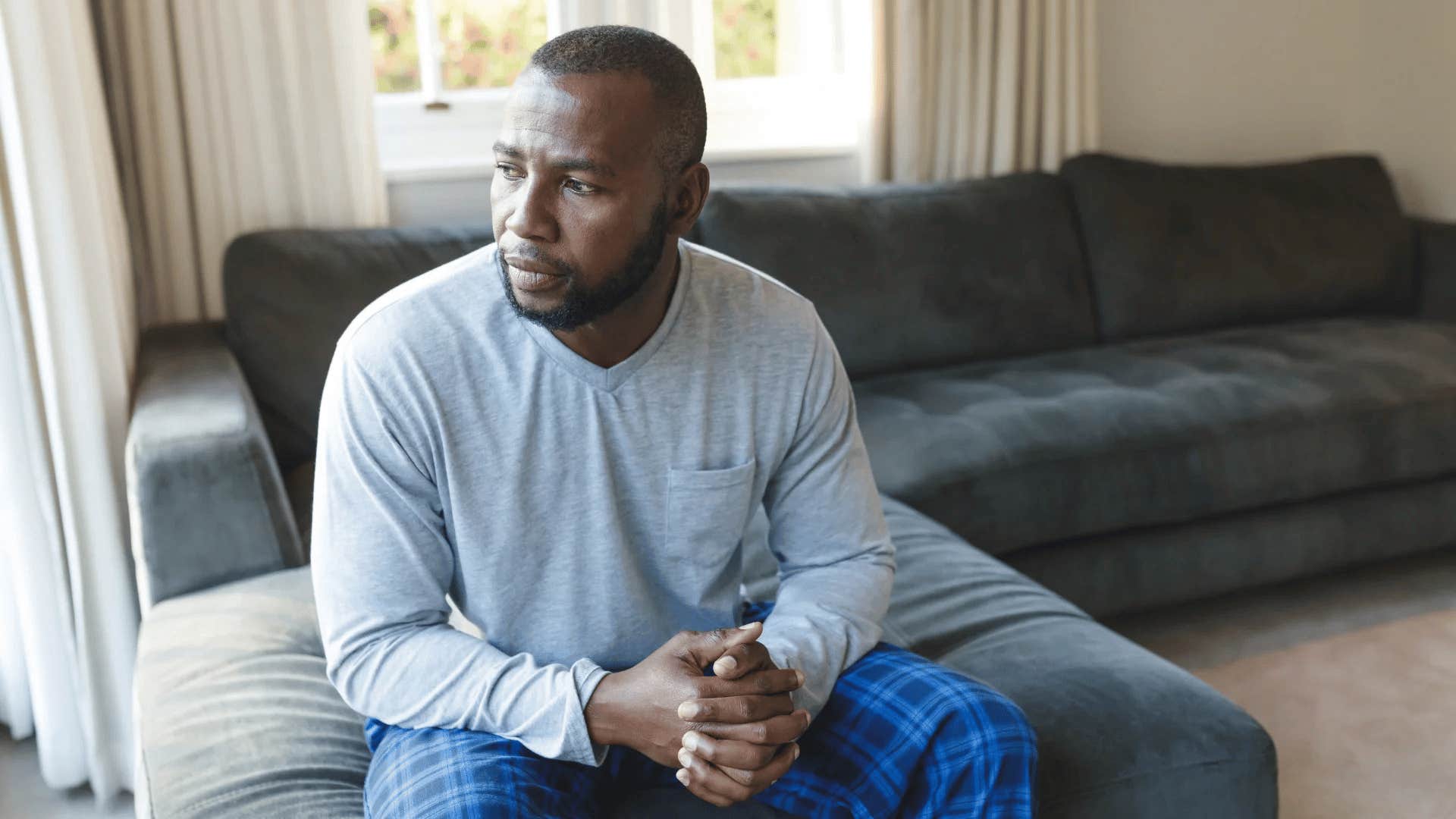
5. 'Who can I ask for help?'
 wavebreakmedia | Shutterstock
One of the first questions that comes to mind when someone feels unsafe is who they could possibly ask for help figuring out what to do or freeing themselves from the situation.
For some, the answer may be family or friends. Others may need to involve law enforcement. Even if you don't feel like you have a trusted family member or a mental health professional in your life that you can rely on, there are volunteers who are dedicated to helping people get out of unsafe relationships.
6. 'Maybe it's not that bad'
 fizkes | Shutterstock
If someone wants to convince themselves their relationship isn't as unsafe as their gut is telling them, they'll often start to question themselves. Sure, their situation may not be great, but that doesn't mean it's as bad as it could be, or as bad as what some other people are facing. They might even talk themselves into being grateful for what they have even though it's not good.
Thinking whatever you're going through isn't really that bad compared to other people's hardships invalidates your life experiences and makes them seem like they don't matter. What you're feeling is valid, even if those feelings are telling you to move on to something that's new and better for you.
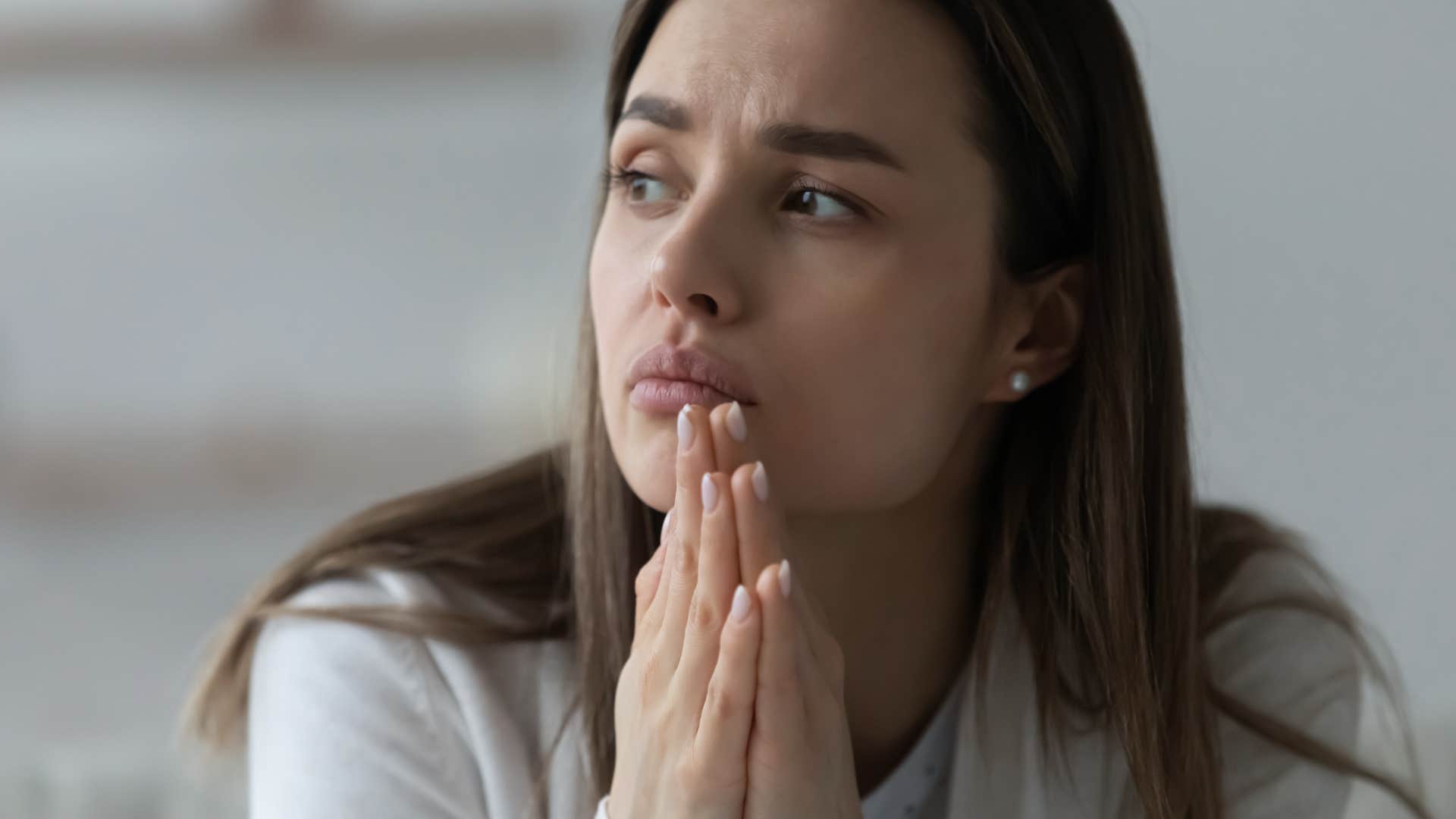
7. 'I feel like I'm walking on eggshells'
 fizkes | Shutterstock
If you're with someone who makes you worry for your physical and emotional safety, you probably do everything you can think of not to trigger their rage or emotional toxicity. You start to feel like you are walking on eggshells at all times in an effort to keep the peace and not cause any further problems.
You should feel like you can bring your true concerns to your partner without having to hide them. Emotional safety opens the door to sharing openly with another person, and that's incredibly important in a relationship. If you don't feel emotionally safe with them, you won't feel like you can truly share your heart and be vulnerable. Tiptoeing around the person who should care about you the most is no way to live a life.
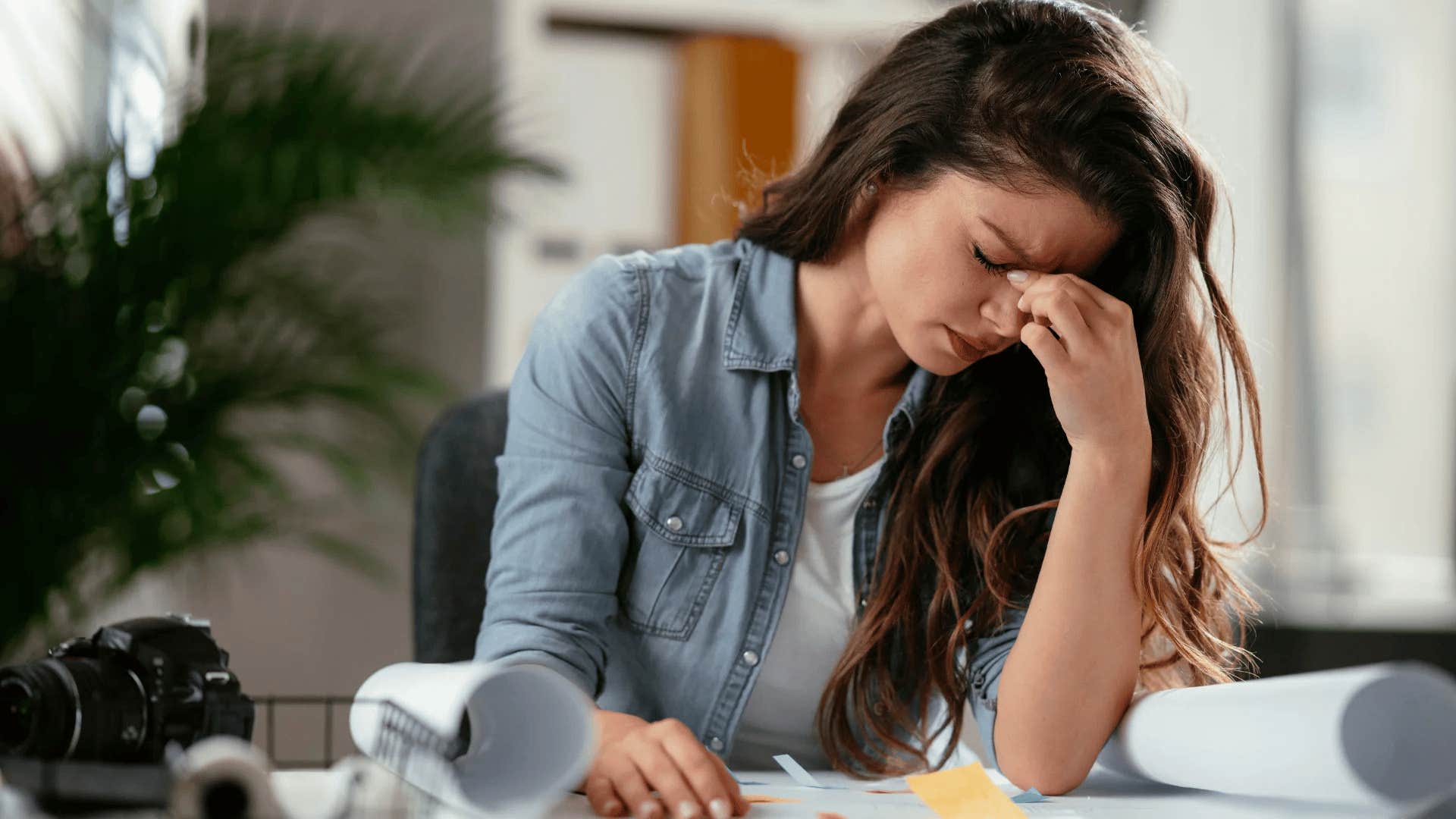
8. 'I feel so ashamed'
 Just Life | Shutterstock
When you come to the realization that your relationship isn't safe, you're likely to feel a wide range of emotions, including embarrassment and shame. Although whatever is wrong in the relationship is probably no fault of your own, you're still likely to internalize whatever is going on and think that things could have been different if only you had found a way to do something different.
Feeling ashamed doesn't help you or the relationship. That kind of guilt often establishes a vicious cycle, because it just makes you feel even worse than you already do, and may even lead you to believe that you deserve whatever you get, which most certainly is not true.
9. 'Maybe I can change them'
 fizkes | Shutterstock
Most people wonder at some point whether they could possibly change the person they are involved with. They may love parts of them deeply and, seeing their positive qualities, feel it's impossible to believe there's no way to help them realize that what they do when they behave poorly is wrong.
People can absolutely change, but it's not often easy, and it won't happen if they don't see any reason why it should. If you're in a situation where someone is stuck in their toxic ways, it may be better to move on than to spend more time trying to fix or help them.
10. 'How do I get out of this?'
 Natalia Deriabina | Shutterstock
If you're wondering how to get out of an unsafe relationship, there's a good chance that you shouldn't be in it anymore. This is especially true if you believe you are physically unsafe. Staying in a relationship when you know you may be in danger isn't worth the risk, and you should find an exit route, even if it means being single for a while.
Getting away from someone who makes you feel threatened may seem impossible, but it's not. You can take concrete steps to break things off and start fresh. If you're wondering how to get out of a relationship, there is plenty of hope, and there are many resources available.
Mary-Faith Martinez is a writer with a bachelor's degree in English and Journalism who covers news, psychology, lifestyle, and human interest topics.
