
Boys Who Heard 11 Phrases Growing Up Usually Turn Out To Be Very Kind Men
 Fernando Arias | Canva
 I always knew I wanted be a mom of boys. While I hoped a girl would arrive among them, it wasn’t meant to be. Each of my boys is different, yet they all need to hear reassurance and support if we hope to raise empathetic boys who turn into kind, empathetic men.
While the words may be tiny, their impact resonates. Their self-esteem and emotional intelligence they gain from connection will affect everything from their relationships and careers to their ability to handle adversity and make healthy lifestyle choices.
Boys who were raised hearing these 11 phrases in daily conversation grow up to be very kind men:
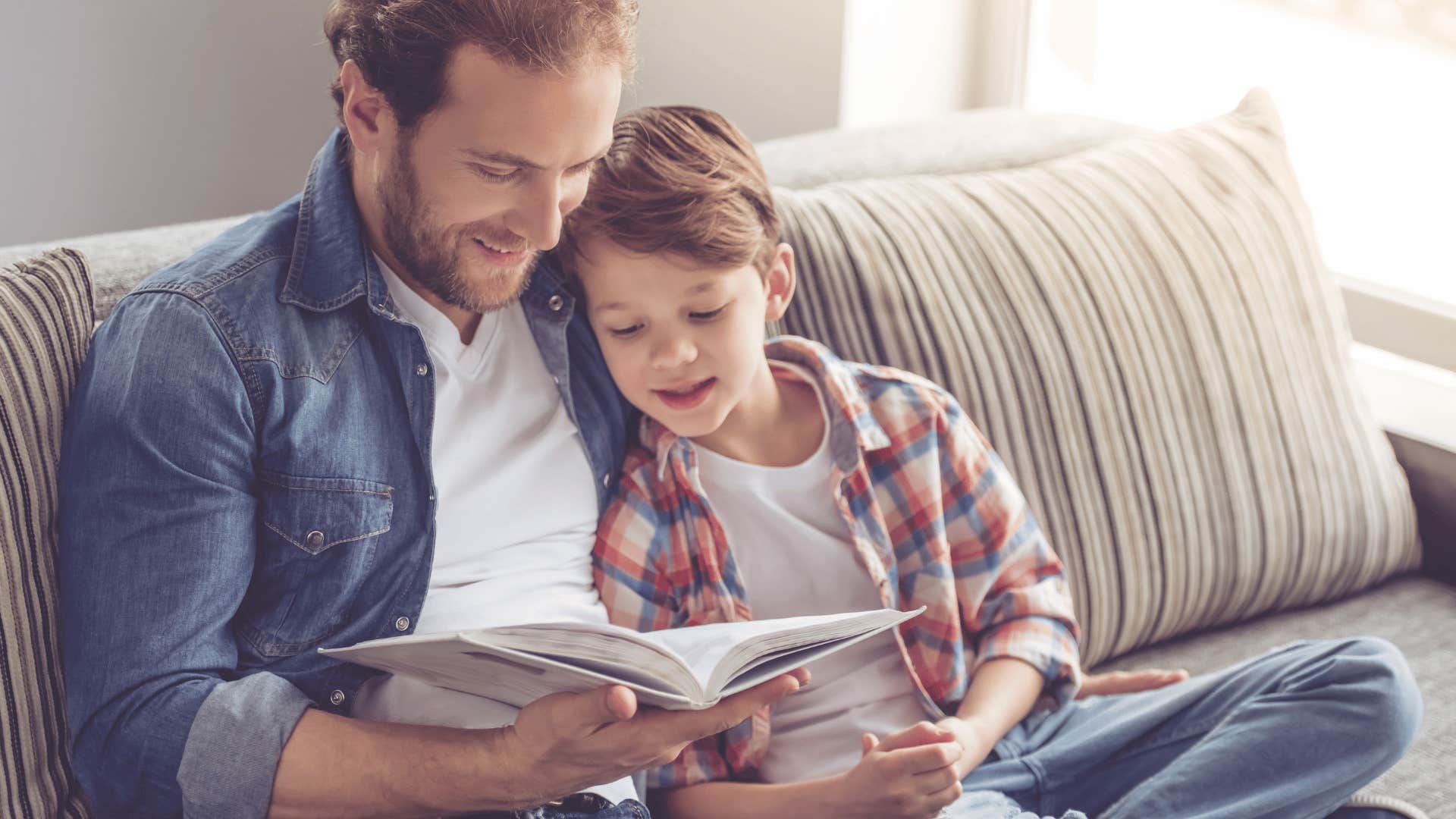
1. 'You are incredible'
 George Rudy / Shutterstock
Being admired by the people he most wants to please lights a kid up inside. Telling boys they are awesome can have a positive impact on their self-esteem and confidence, especially when done in a genuine and specific way.
However, not all praise is created equal. 2024 research explained that it's crucial to avoid reinforcing harmful gender stereotypes and ensure that praise is tied to their actions and efforts, not just their identity as boys. This is particularly important considering the potential negative effects of traditional masculinity norms on boys' emotional development.
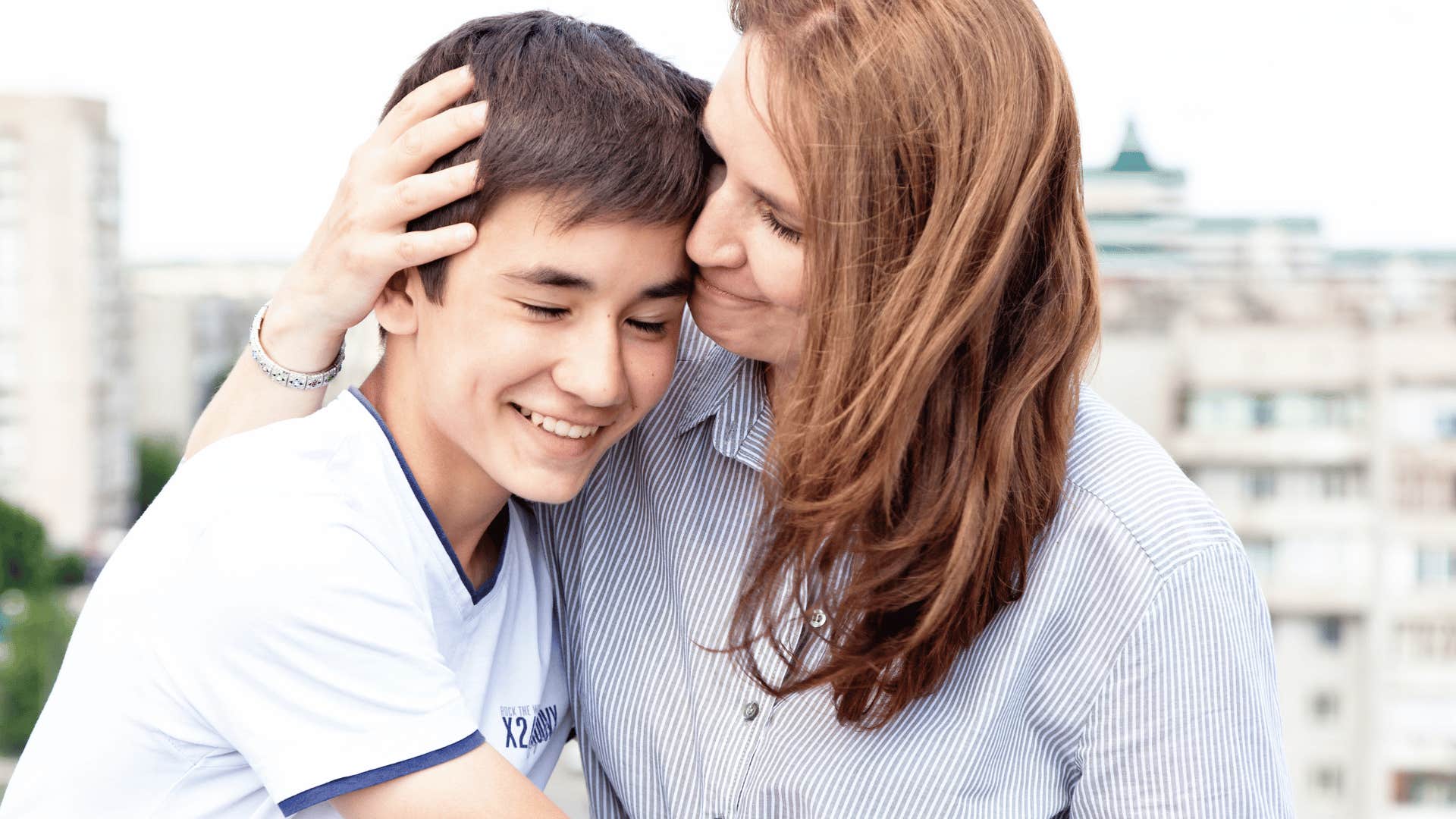
2. 'You are brave'
 Olezzo / Shutterstock
Pointing out when he has been brave by doing something small like getting his hair cut or going to the dentist will help him affirm himself when he feels scared and alone.
This shouldn't stop as he grows into adolescence. Even when boys try to play it tough, they still have fears and worries, and they still need encouragement to face those fears and push past them.
He will remember what you believe about him and believe it about himself when he needs it most.
3. 'You can do it'
 fizkes / Shutterstock
These words are seeding his self-confidence so he will put the effort into what he needs to learn, achieve, try, or go for again. Telling boys they can do challenging things can have a positive impact on their self-efficacy and performance, particularly when it challenges traditional gender stereotypes and encourages them to pursue activities not typically associated with masculinity.
Still, experts instruct that it's crucial to deliver this message authentically and avoid reinforcing harmful attitudes toward "boys will be boys". Overreliance on such phrases can sometimes lead to negative consequences without emotional support and encouragement for a broader range of emotions.
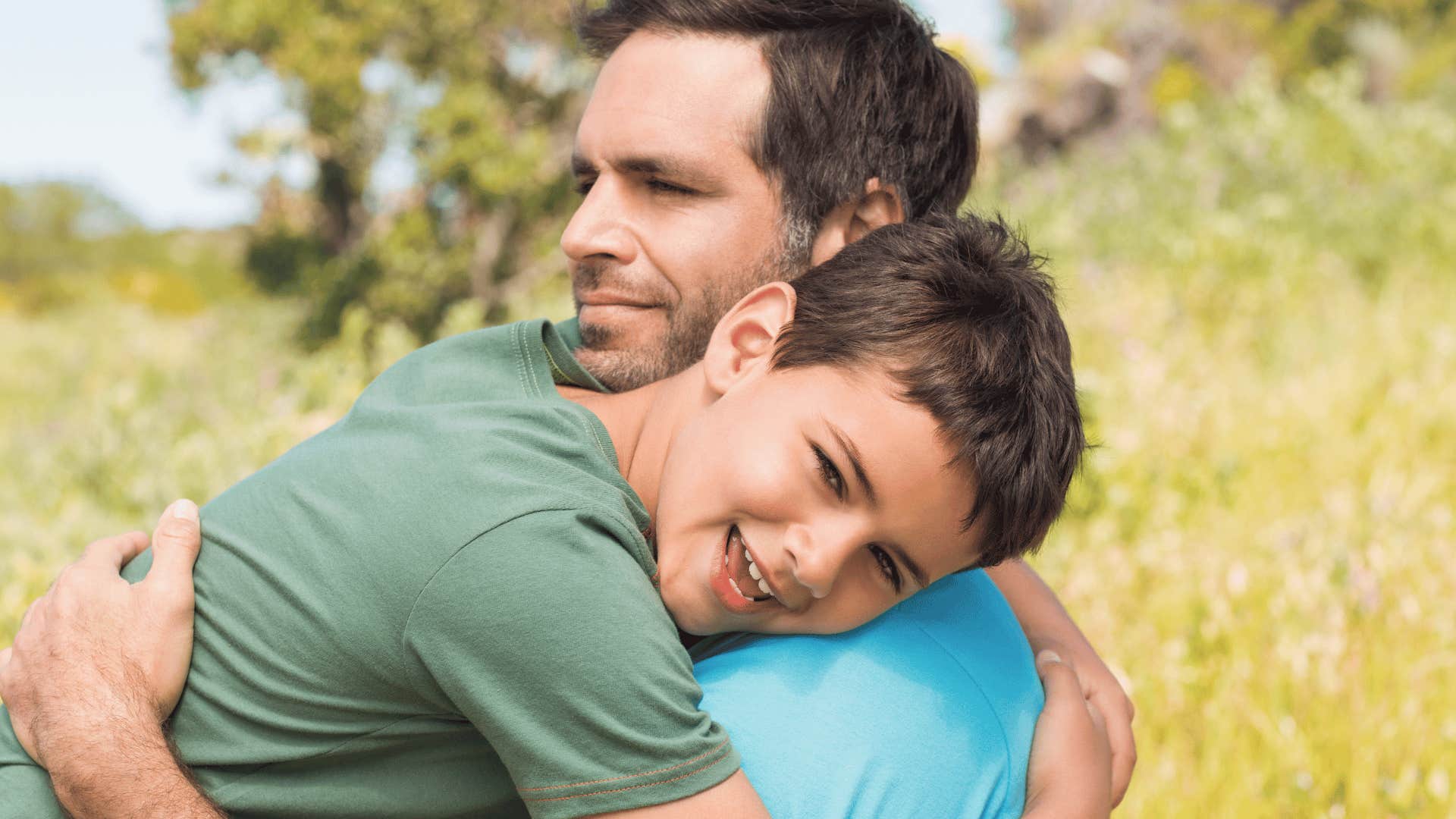
4. 'You can tell me anything'
 wavebreakmedia / Shutterstock
These little words remind him he is emotionally safe with you and can trust you with his thoughts and feelings. He should know that there are no good or bad feelings, and all feelings are safe with his parents.
Research published by The Center for Male Psychology explained that this approach can significantly improve their emotional well-being, encouraging them to open up about their feelings and experiences.
Societal pressures to conform to traditional masculine norms that discourage emotional expression often hinder this process, which can lead to improved mental health and stronger relationships.
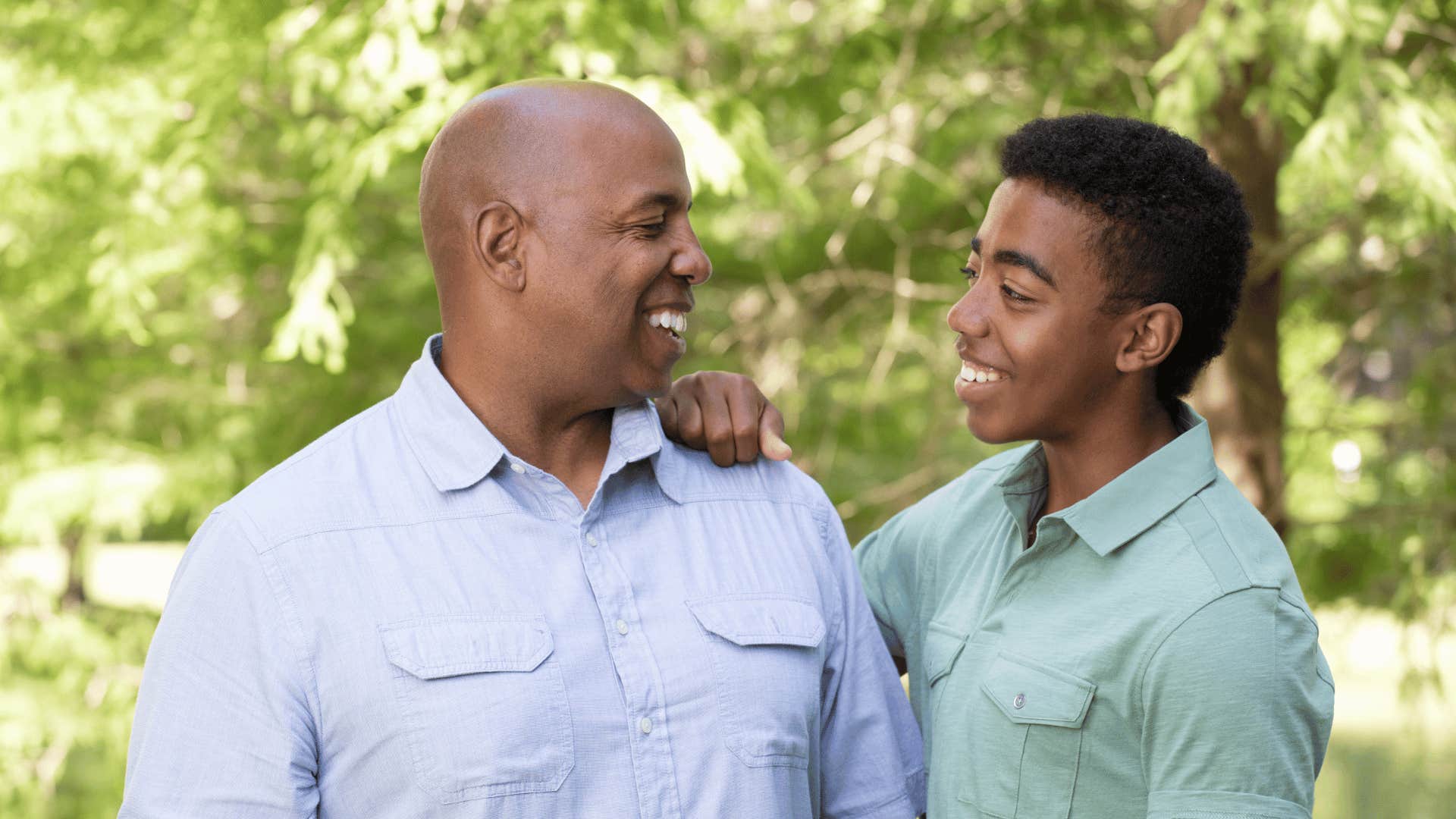
5. 'I'm sorry'
 pixelheadphoto digitalskillet / Shutterstock
Just like girls, boys need to hear their parents apologize when their humanness takes control and say something they didn’t mean or show frustration or anger by behaving poorly.
Your child will mirror you, which is why this is especially important for dads and other male role models. If you recognize when you have crossed a line and return to humble yourself, they’ll learn to do the same.
6. 'Mistakes happen'
 Yuri A / Shutterstock
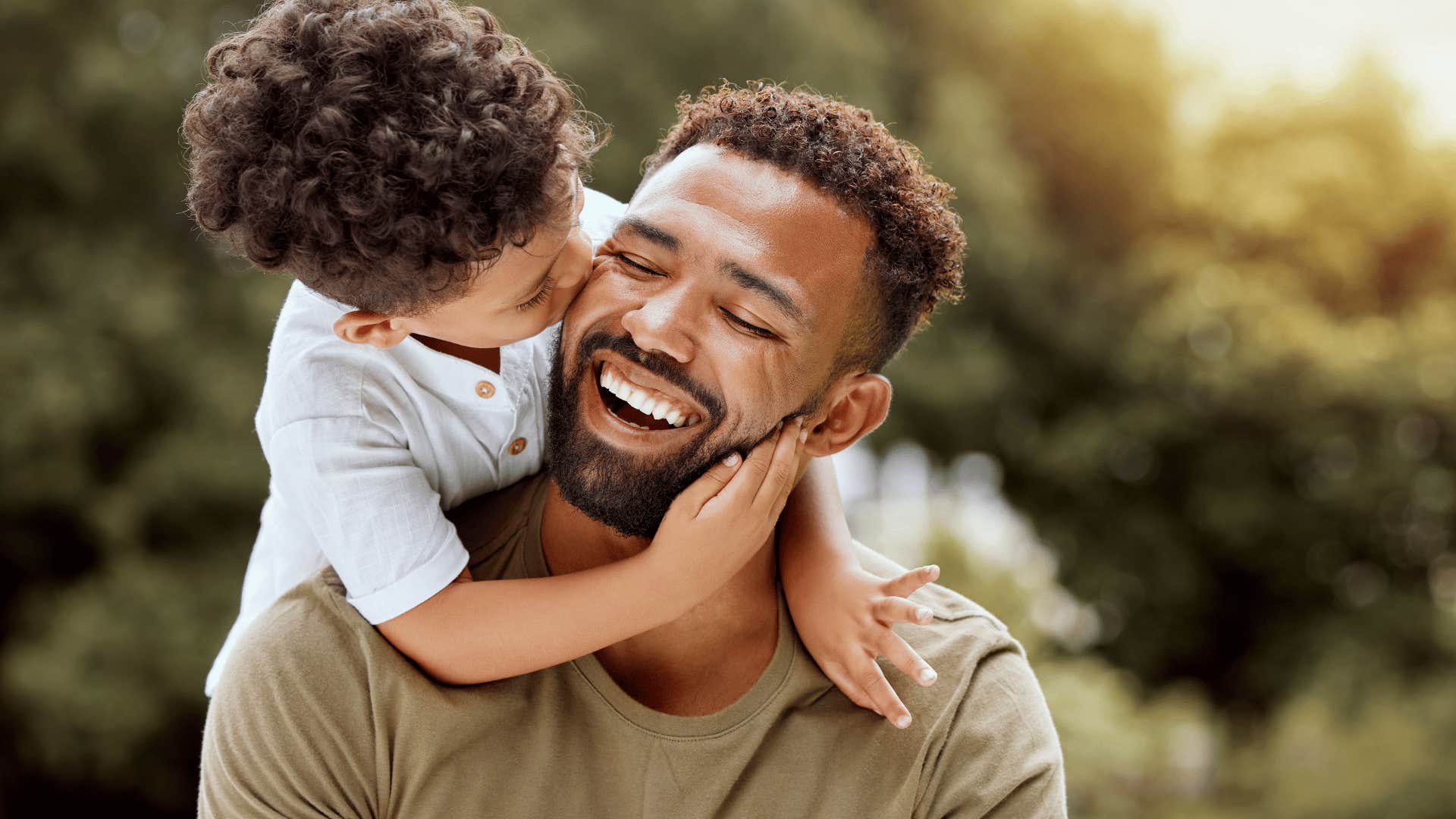
Telling boys that everyone makes mistakes sometimes teaches him it is okay to try and fail (like spilling the milk as he tries to fill his cereal bowl). It's how you learn from those mistakes and grow that matters most.
This is how we learn, and perfection is not the goal. Instead, we can also teach to take responsibility and learn where the paper towels are to clean up behind ourselves!
7. 'It’s okay to cry'
 pixelheadphoto digitalskillet / Shutterstock
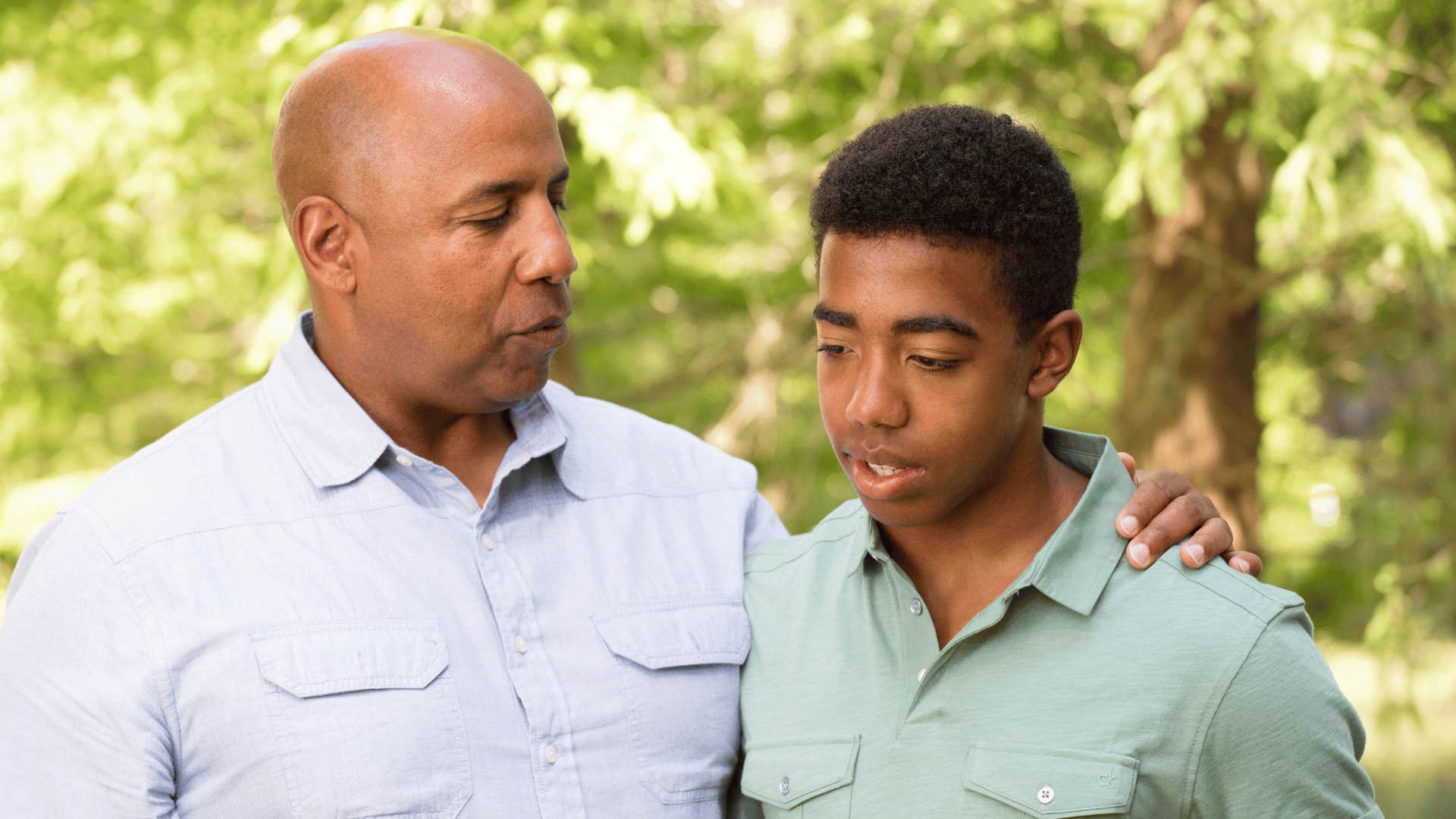
Boys must know we all have emotions, including happiness and sadness, anger and fear. Sometimes one of our emotions makes us feel like crying, and that's OK, even for boys and men.
It’s normal and natural and a way to help us feel better. I love the Disney animated movies Inside Out, which helps us better understand emotions.
8. 'I'm proud of you'
 Monkey Business Images / Shutterstock
This phrase is the "attaboy" every boy needs to hear. It doesn’t matter your choice of words, what matters is how you express pride in your son for who he is as he is.
He wants to make you proud so much, he will do it his whole life unless he feels he can’t and gives up trying. I saw Mohammed Qahtani's powerful award-winning Toastmasters speech posted on Facebook, which is a poignant reminder.
9. 'I will always be here for you'
 pics five / Shutterstock
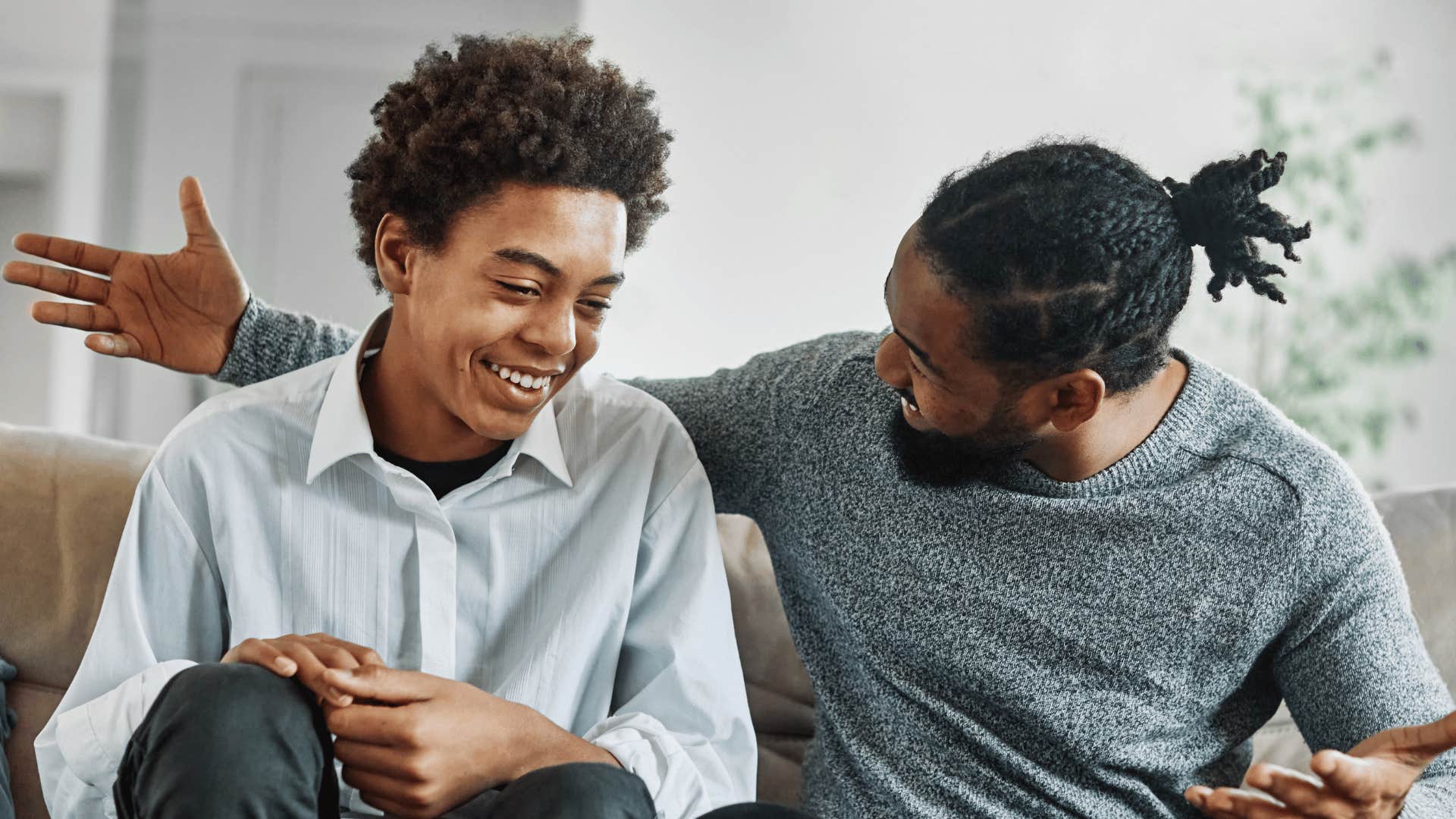
This isn’t a physical promise. It is greater, and a little boy might not yet understand it, but he will remember you said it.
This is a psychological safety statement. No matter the dynamic between the parents or the living arrangements, if you say it, mean it and do it. Call, text and check in. Show up and listen.
You can't (and shouldn't) solve all his problems, but you can show up to help him figure out how to solve them himself.
10. 'I love you, no matter what'
 Halfpoint / Shutterstock
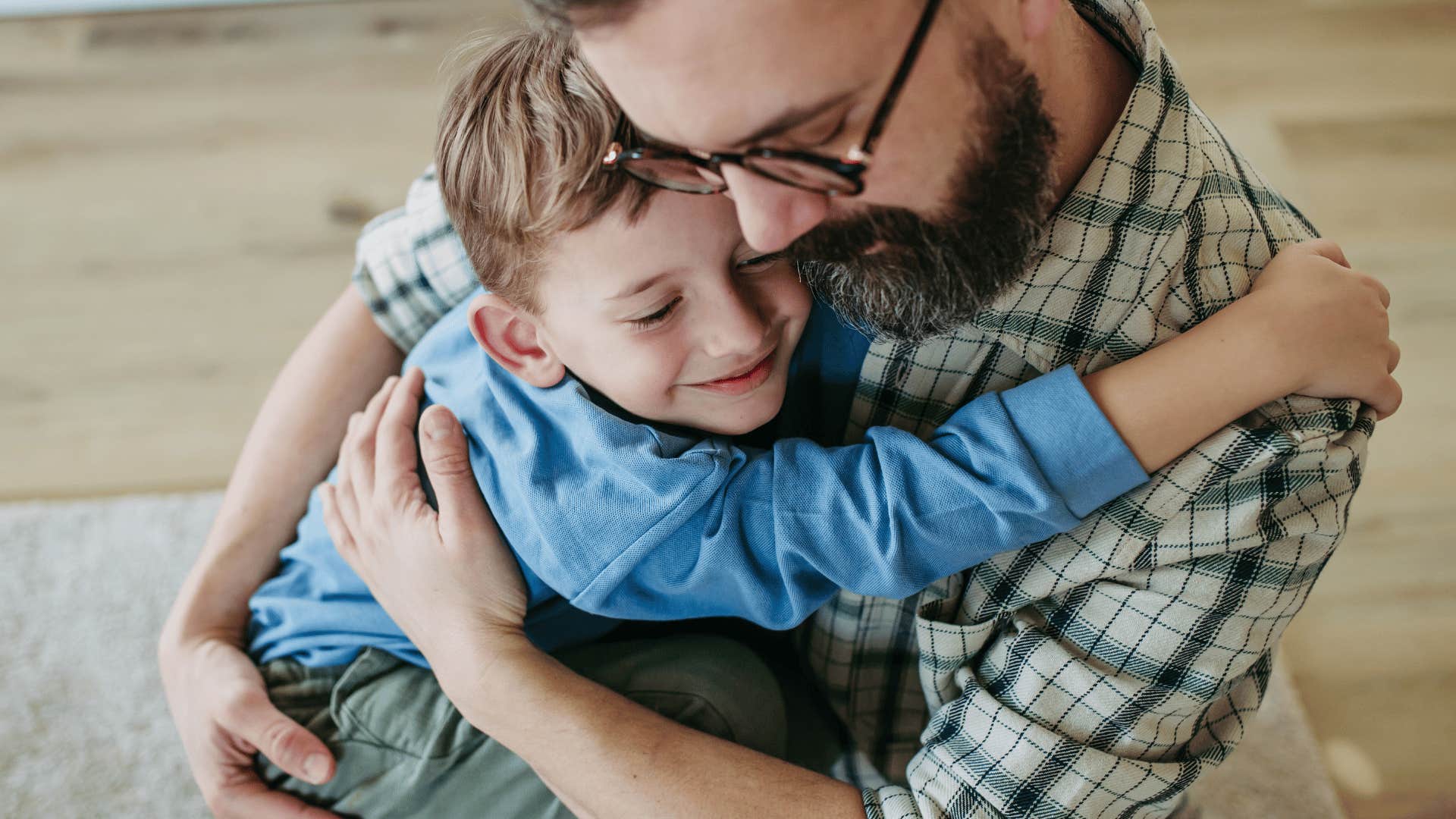
Show and tell on this one. You may speak this more often than all the previous ones and think it is just understood. However, children can doubt a parent’s love when they believe or know they have crossed a boundary, broken a rule, or ‘failed’ expectations.
So when a parent has to implement a consequence to a child’s behavior, it is crucial to communicate why there is a consequence (to protect, prevent, etc.) and that their behavior or choice does not change your love for them. Reassurance goes a long way.
By the way, I don’t believe little boys are the only ones who need to hear these things from their parents. My firstborn passed away in infancy, and I never had the opportunity to speak these words to him, yet I felt him relay these same words to me in my time of grief. He will be celebrating his 30th birthday the year I publish this, and I think of him all the time.
I was blessed with another son the following year, and another several years later. I still make sure that these twenty-somethings hear these words often.
A few years ago, we welcomed a young man into our family who found himself homeless at 18 and still in high school, struggling from an abusive past. I don’t know what words he heard when he was a little boy, but I am sure to say these old-fashioned, positive, and affirming phrases to him now.
Ann Papayoti, PCC, is a relationship coach, author, speaker, and host of the podcast, Soul CPR Healing Out Loud. She helps people untangle from their past and heal their hearts.
