
4 Questions That Instantly Reveal A Person Came From A Relationship Where Their Needs Always Came Last
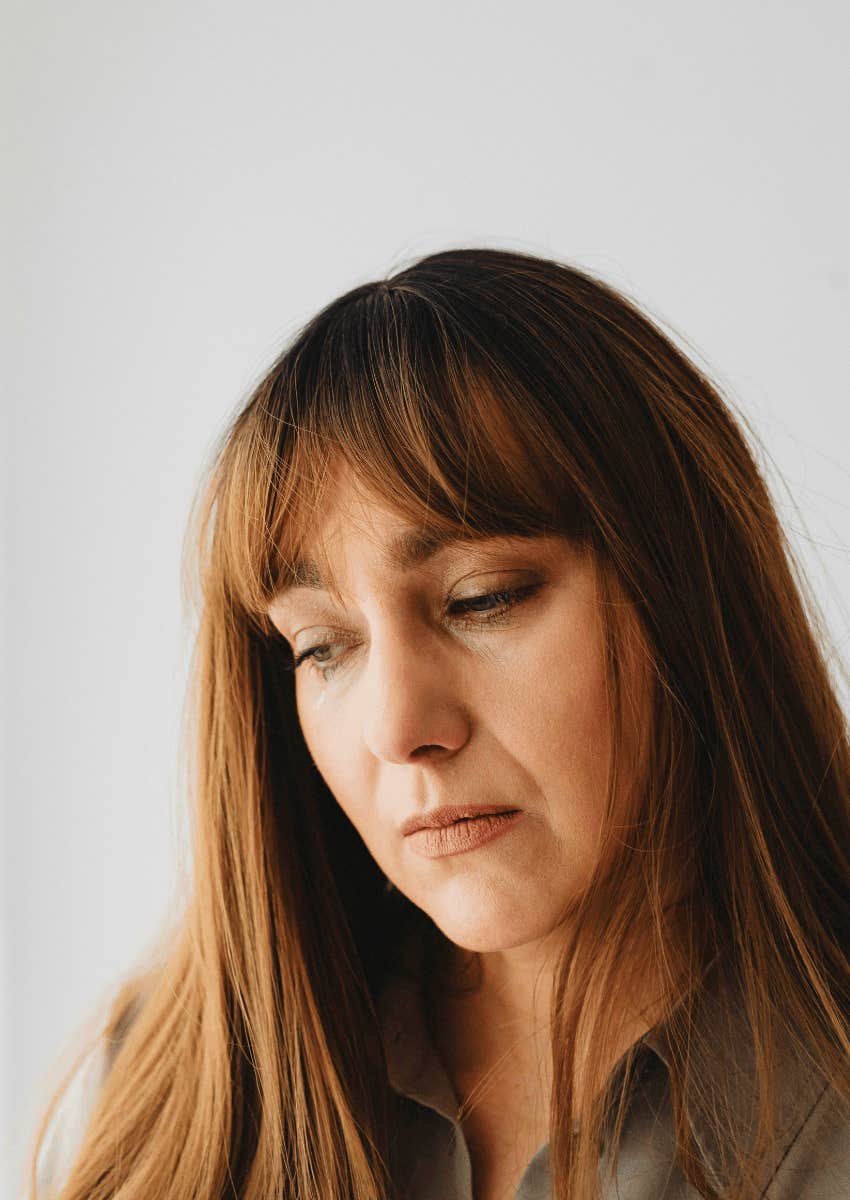
 Jackson Schaal | Unsplash
 Women are overlooked and abused by their partners every day, celebrities or not, and sometimes there are no bruises, no broken bones, and therefore no attention paid. Yes, I know, this begs the question, why would she stay? Why doesn't she tell someone?
He abused me daily in insidious and quiet, sneaky ways. Stealing my self-esteem and my memory and my sanity. I came to dread the arrival of the phone bill each month because it was always so stressful. He would make me sit there while he quizzed me about the calls, one by one. "Whose number is xxx-xxxx? Is that your new boyfriend?"
If I went out with girlfriends, he wanted to know where I "really" was and demanded to know whom I had spoken to all night. If I put a knife in the dishwasher with the blade pointed down, I was "stupid," and if I didn't keep the house clean enough, I was "useless." He would look through my purse and take my cash and credit cards regularly and openly criticize what I was wearing or how I looked. Little by little, I became timid and fearful and unsure. I didn't even know it was happening until it was too late.
Here are 4 questions that instantly reveal a person came from a relationship where their needs always came last:
1. Do you feel like you are walking on eggshells?
 Karola G / Pexels
Studies found that when people experience controlling behavior in relationships, they constantly feel like they're walking on eggshells because they're trying not to let their partner down, make them angry, or avoid starting a conflict. You become hyper-vigilant about your words and decisions, always scanning for signs of an impending issue because you've learned that anything could set them off.
2. Do you equate jealousy with love?
Does he tell you jealousy is a sign of love? Research shows that unhealthy relationships often start with a suspicious partner hunting for evidence of cheating, and when they come up empty, they vent their frustration through accusations, blaming, name-calling, and threats while breaking down their partner's self-esteem. This suspicious jealousy happens even when there's no actual threat to the relationship; it's driven by the jealous person's own anxiety and insecurity.
3. Is your partner quite pleasant in between bouts of anger?
 Liza Summer / Pexels
Studies found that following violent outbursts, abusers often enter what experts call the "honeymoon phase," where they act loving and attentive, often resembling the person you initially fell in love with. The abuser genuinely experiences relief after discharging their negative emotions and may temporarily feel remorseful, so they apologize, buy gifts, or make promises that it will never happen again.
4. Do you feel like you can't do anything right?
Emotional abuse is intended to erode your self-esteem, which causes you to doubt your self-worth and makes it harder for you to notice when you're being mistreated, researchers have concluded. When abusive partners constantly undermine you, it leaves you feeling useless, like you can't do anything right and have no value, which depletes your energy and brings your mental health and wellbeing to an all-time low.
If you answered "yes" to any of these or similar questions, you are living in an abusive situation. Please trust me, it will not get better; it will only get worse. What can you do about it? First, understand that it is abuse. It's hard to admit you've been "allowing yourself" to be abused. It's embarrassing. It's painful.
But if you recognize that it is not okay for your abuser to treat you this way anymore, you can start to do something about it. Second, you have to do something to stop the abuse. This could be any number of things, depending on your situation. If it is safe to leave and you have a place to go, make a plan for moving out and cut off ties with your abuser.
If you fear for your safety and/or there are children to consider, plan your exit carefully and do it in small steps. Getting an order of protection may be necessary. Ask a friend or professional to help you develop an exit plan that includes safety precautions.
Finally, you have to create a plan for going forward. That may mean finding a new place to live, opening your bank account, helping your kids transition, going back to work, thinking about getting a divorce, or all of the above. Most importantly, you'll need to find yourself again.
It will take time, but eventually, you will feel whole and strong again. For me, things had to get ugly before I finally understood that I was in an abusive and potentially dangerous situation and that I needed to get out of there. I wish, however, that I had recognized the signs much earlier. If you recognize the signs in your own life now, take action and make a plan for getting out, before it has a chance to escalate. Leaving an abuser is scary, but I am here to tell you that it's worth it in the end.
If you think you may be experiencing depression or anxiety as a result of ongoing emotional abuse, you are not alone. Domestic abuse can happen to anyone and is not a reflection of who you are or anything you've done wrong. If you feel as though you may be in danger, there is support available 24/7/365 through the National Domestic Violence Hotline by calling 1-800-799-7233. If you’re unable to speak safely, text LOVEIS to 1-866-331-9474.
Liza Caldwell runs SAS for Women, a boutique firm that specializes in helping women free themselves from dysfunctional and unhappy relationships.
