
Couples Who Actually Enjoy Spending Time Together Usually Share 6 Sweet Relationship Habits
 La Famiglia | Shutterstock
 Quality time can get lost fast.
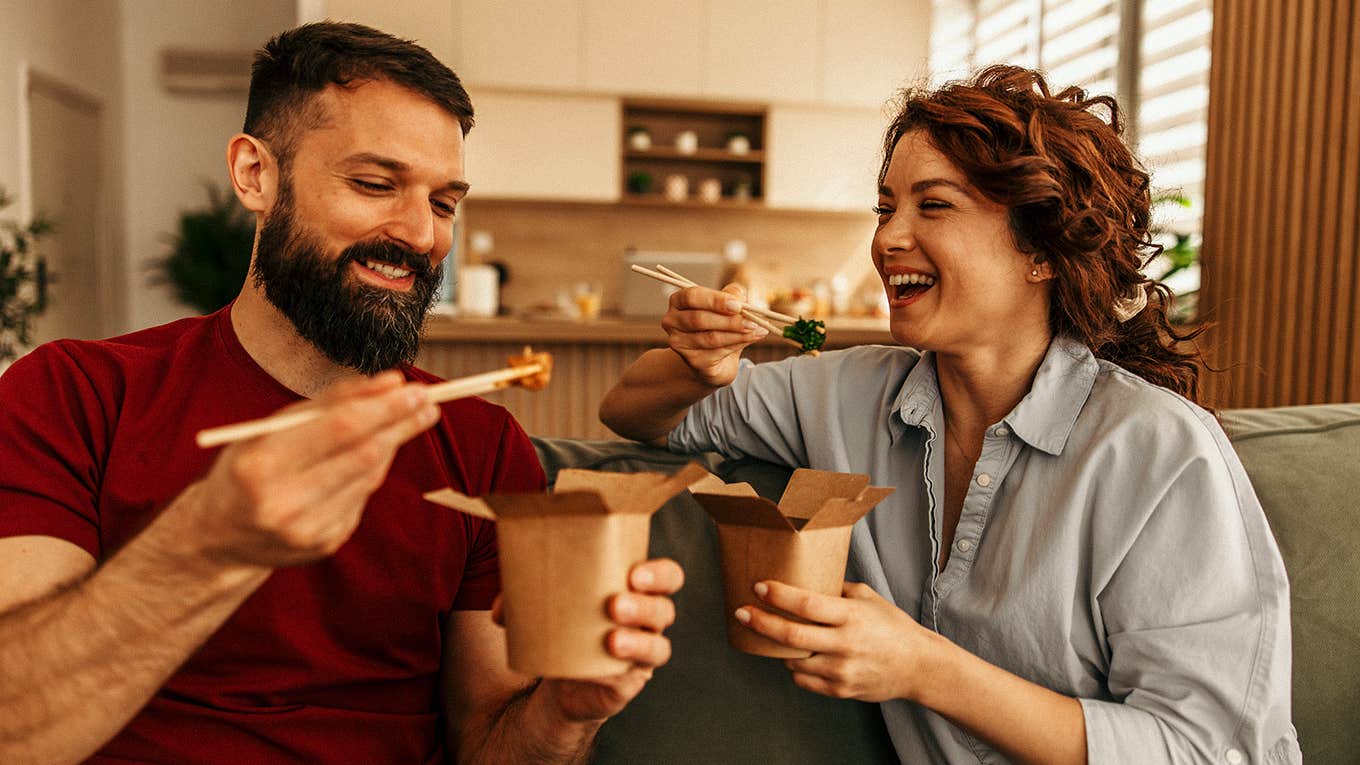
Every relationship has responsibilities that compete for attention, from work and family obligations to chores, stress, and endless notifications. Yet some couples still genuinely like being around each other, even on a totally ordinary day. They don't need elaborate date nights or constant excitement to feel connected. Whether they're grocery shopping, folding laundry, or sitting together after a long day, couples who actually enjoy spending time together tend to share sweet relationship habits that make closeness feel simple and natural. While every relationship is different, research consistently shows that small, consistent behaviors often matter more than occasional grand romantic gestures.
Couples who actually like being around each other practice these 6 sweet relationship habits together:
1. They have simple routines that help them stay connected
 Thirdman / Pexels
The happiest couples usually have little routines that belong only to them, such as drinking coffee together every morning, taking a walk after dinner, watching one episode of a favorite show before bed, or sending each other funny memes throughout the day. These habits may seem insignificant, but they create predictability that strengthens emotional connection and provides regular opportunities to reconnect even during busy weeks.
The best part is that they don't have to be elaborate or expensive. It's rarely the grand vacations or over-the-top date nights that keep couples feeling close. More often, it's the small moments they can count on every day. Over time, these small moments become some of the most meaningful parts of the relationship because they quietly reinforce the fact that they make time for each other and create a sense of stability, even when life feels chaotic.
2. They laugh together often
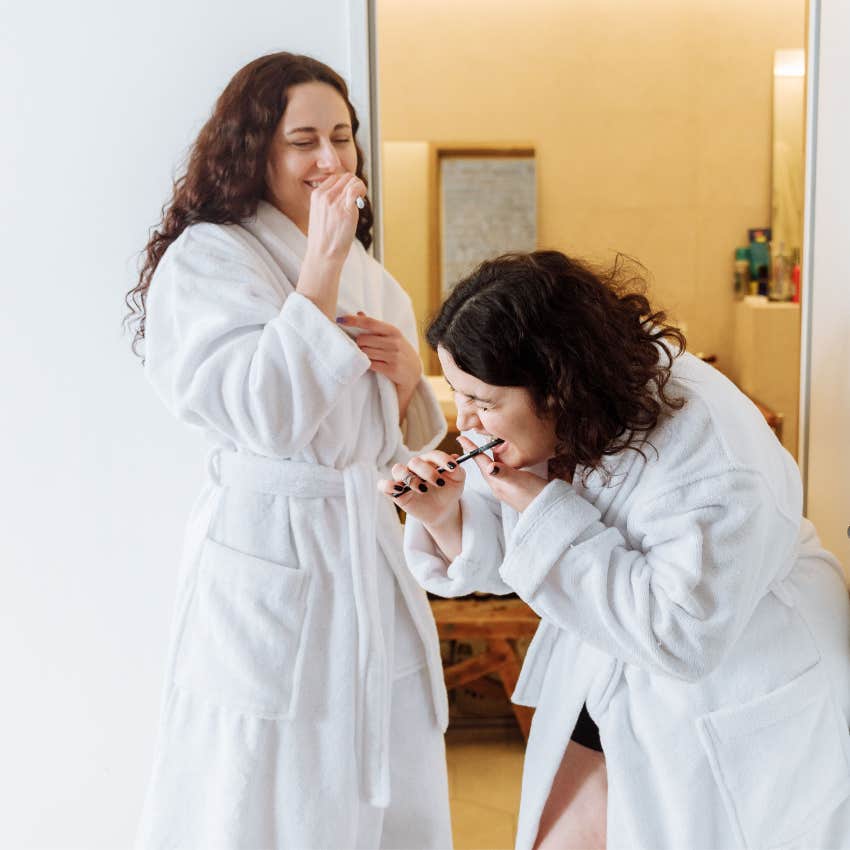
Laughter has an interesting way of bringing people closer. Couples who enjoy spending time together don't avoid serious conversations, but they also make room for playfulness. They tease each other affectionately, share inside jokes, laugh about everyday mishaps, and find humor in situations that could otherwise become stressful. Life is full of unexpected frustrations. Couples who can laugh together after dealing with an embarrassing or annoying moment can recover from stress much more quickly than couples who take every inconvenience seriously.
Shared laughter helps reduce tension and increases positive feelings toward one another. It's easy to think laughter is something that just happens naturally, but many happy couples intentionally create opportunities for fun. They don't wait for life to become less stressful before enjoying each other; they find reasons to laugh right in the middle of everyday life.
3. They keep discovering new things about each other
 Alan Quirván / Pexels
Healthy relationships don't stop growing simply because two people have been together for years. Couples who remain emotionally close continue showing genuine interest in each other's goals and experiences by asking questions and listening carefully. People change over time, careers evolve, interests shift, priorities develop, and new dreams emerge.
Someone you met ten years ago isn't exactly the same person today. That's why the healthiest couples don't assume they've learned everything there is to know about one another. They continue discovering new parts of the person they love by asking how work is really going, wanting to hear about a new hobby, a book their partner is enjoying, or something that's been on their mind lately.
Those conversations help each person feel seen instead of taken for granted. That curiosity helps prevent relationships from becoming stagnant and keeps conversations interesting long after the honeymoon phase has ended.
4. They put their phones away when spending time together
Quality time isn't simply being in the same room. Couples who genuinely enjoy each other's company make a conscious effort to be fully present when they're together. That might mean resisting the urge to constantly multitask while spending time together by putting phones away during dinner or pausing television during important conversations.
In today's world, that's not always easy. Notifications and endless scrolling compete for our attention almost constantly. That's exactly why giving someone your full attention feels so meaningful. Giving someone your full attention communicates respect and emotional availability in ways that divided attention can't.
Even brief periods of uninterrupted connection can strengthen intimacy more than hours spent together while distracted. Sometimes fifteen minutes of genuine conversation is more valuable than an entire evening spent sitting together while everyone is looking at a different screen.
5. They support each other's individual interests and hobbies
Strong couples don't feel like they have to do absolutely everything together. Instead, they encourage one another to pursue hobbies, friendships, personal goals, and interests outside the relationship. They understand that having separate interests isn't a threat to the relationship, but actually what keeps each person energized and fulfilled. That independence actually makes their shared time more enjoyable because each person continues growing as an individual.
When one partner comes home excited about something they learned or accomplished, they bring fresh energy into the relationship. There's always something new to talk about and celebrate together. Supporting each other's passions also builds admiration and reduces resentment.
Healthy closeness leaves room for individuality. They are constantly pouring more into each other instead of taking away from each other. The healthiest relationships usually involve two whole people choosing to share their lives, not two people giving up who they are.
6. They are kind to each other, even during the small moments
 Gustavo Fring / Pexels
The strongest relationships are usually built through countless ordinary interactions instead of dramatic expressions of love. Couples who enjoy spending time together say thank you, offer compliments, check in after difficult days, apologize sincerely, and look for small opportunities to make each other's lives easier.
They also give each other the benefit of the doubt. Instead of assuming the worst after a stressful day or a misunderstanding, they pause, ask questions, and remember that they're on the same side. They assume good intentions more often than bad ones and recognize that everyday kindness creates emotional safety over time. Those small acts of kindness can be surprisingly powerful.
Every couple will have moments when life feels overwhelming. What usually separates happy couples is that they continue making each other feel valued and genuinely enjoyed.
MeShanda Deason is a writer with a BFA in Creative Writing from Stephen F. Austin State University and minors in Business Communication and Literature who covers storytelling, culture, identity, and human connection across editorial, journalism, and marketing spaces.
