
Younger Generations Could Learn From 7 Old-Fashioned Ways 70s & 80s Kids Made Life-Long Friendships
 Lyudmila2509 / Shutterstock
 For kids growing up in the 70s and 80s, making friends required a little more effort and a lot more face-to-face interaction.
There were no phones to say, "Look at this TikTok," to break awkward silences, and no apps to find people with similar interests and hobbies. Friendships developed naturally through shared experiences and countless hours spent together. Given that Gen Z has been labeled the loneliest generation, some of the habits that helped 70s and 80s kids build long-lasting relationships might be worth revisiting.
Younger generations could learn some great lessons from how kids in the 1970s and 1980s built friendships that stood the test of time:
1. They knocked on each other's doors without making plans first
 slobo via Canva
For many kids in the 70s and 80s, hanging out with friends didn't require days' worth of planning or group chats to make sure everyone was up to speed. If you wanted to see a friend, you rode your bike to their house and knocked on the door. Sometimes they were home, sometimes they weren't, and that uncertainty was simply part of life.
These spontaneous visits created opportunities for connection that today's carefully scheduled hangouts often miss. Instead of waiting for the perfect date or worrying about whether someone was available, kids learned to take social risks. They got comfortable showing up even if it meant rejection and having to try another day.
As a Gen Z myself, I can see that there's something valuable about that mindset. Modern friendships can often become overly dependent on convenience, but strong relationships grow through consistent effort rather than perfect timing.
2. They spent hours together without documenting everything
Today's interactions are often accompanied by photos and videos being taken to post later. I am 100% guilty of wanting to document my time with friends and family, mostly snapping food pics. However, I don't always document hangouts with the intention of posting them online. Many Gen Zers and I do it for the purpose of preserving moments we want to remember and look back on forever. Nevertheless, kids from previous generations spent most of their time simply being present with one another.
No matter what the specific hangout was, the focus was on the experience itself, not on capturing it on camera. Nobody worried about getting the perfect shot for their Instagram story. Because of that, many friendships developed through genuine shared moments. The memories lived in people's minds instead of their camera rolls, creating a different kind of connection that perhaps felt less performative and more personal.
3. They learned how to work through disagreements face-to-face
Friendships aren't always going to be easy. Arguments and disagreements happen, and feelings get hurt. Today, many Gen Zers prefer to work through quarrels strictly over text. For a lot of us, it's easier not to see the other person and to be unfiltered about our feelings. But before texting and social media, most conflicts had to be resolved in person.
Kids couldn't simply leave someone on read or delivered until they were ready to respond. If they wanted to work on the friendship, they had to have an uncomfortable conversation and figure things out together. Face-to-face communication strengthens relationships and reduces misunderstandings compared to digital communication. That offline experience helped many who grew up in the 70s and 80s to develop communication skills that followed them and their friendships into adulthood.
4. They belonged to the same local community
 zaid issac via Canva
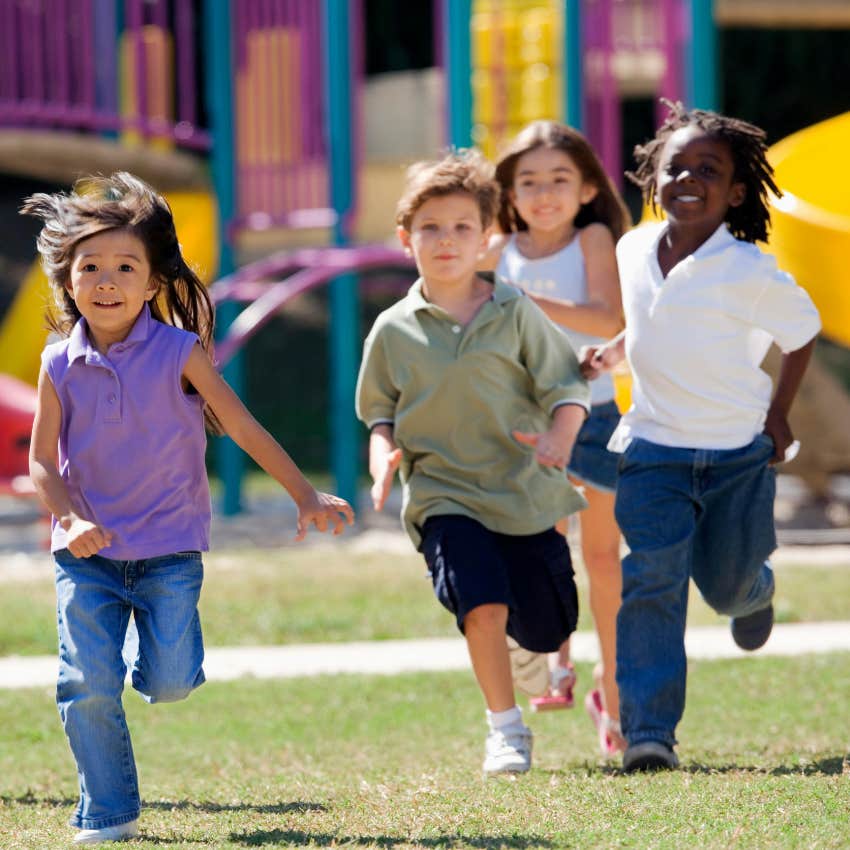
Many friendships in the 70s and 80s grew out of simple proximity. Kids played with the same neighbors, attended the same schools, visited the same parks, and participated in the same local activities year after year. Because everyone shared the same physical spaces, friendships often developed gradually and naturally. People saw each other regularly without needing to schedule every interaction. Familiarity created trust, and trust created long-lasting bonds.
Today, people often move between multiple online and offline communities at once. While that offers variety, there's still something powerful about building relationships within a stable local community where people consistently show up for one another.
5. They shared boredom instead of constantly seeking entertainment
One thing many younger people might find surprising is just how bored kids in previous generations were. There were fewer devices and distractions competing for attention, and, oddly enough, that boredom often strengthened friendships.
When there wasn't an endless stream of content readily available to cure boredom, kids had to create their own fun together. By inventing games with rules that made zero sense and using their imaginations, kids in the 70s and 80s did everything they could to alleviate boredom, and if they couldn't, they endured it together. Actively creating experiences together in such a way made their friendships stronger and incredibly long-lasting.
6. They stayed loyal even when friendships weren't convenient
While friendships in every generation require effort and patience, in the 70s and 80s, they required even more. If a friend moved away, communication often meant writing letters or making occasional phone calls. Staying connected took real effort. As a result, many people became accustomed to investing in relationships even when it wasn't easy. They understood that friendships require persistence and intention.
In a culture where people can instantly connect with hundreds of others online, it's easy to treat friendships as disposable. The older approach reminds us that meaningful relationships often become stronger when people choose to stay connected even through life's changes.
7. They spent more time in organic groups than in carefully curated social circles
 FatCamera via Canva
Neighborhood culture is drastically different from what it was in the 70s and 80s. These days, kids are rarely seen playing outside their homes or at local parks, much less alone. But back then, kids often played with whoever happened to be around.
Because friend groups were less curated and more happenstance, people learned how to get along with a wider range of individual personalities. They developed a sense of flexibility without necessarily realizing it, an experience that can be valuable today. Being able to connect and get along with different kinds of people is a skill that benefits relationships in the long run.
Yessenia Munoz is a writer pursuing a Bachelor of Arts degree in English Literature who writes about lifestyle and reflective topics.
