
11 Things Most Parents Think Are No Big Deal But Kids Notice Immediately
 JLco Julia Amaral | Shutterstock
 No parent can offer their children a perfect childhood, but nearly every parent tries. Ironically, many of the things parents thing are no big deal are ones kids notice immediately. After all, the list of things parents worry about is endless: Are they eating enough vegetables? Is their education adequate? What about their screen time?
The answers to these questions aren't always obvious, but one thing is for sure: parent who lead with love and kindness find many different ways to be the best parent possible. What their kids tend to notice proves this to be true.
11 things most parents think are no big deal but kids notice immediately
1. Inconsistency with rules
 Prostock-studio | Shutterstock
One small thing kids notice more than their parents realize is inconsistency around rules and limits. Being a consistent parent is hard work, yet it's highly valuable when it comes to setting expectations for your kids' behavior. Kids notice when parents say one thing then do another. They can tell when a rule isn't being enforced fairly. Inconsistency is confusing, because it makes it hard for kids to feel safe and place full trust in their parents.
Research from Duke University discovered that preschool-age children know when a promise is broken for a good reason as opposed to a poor excuse. As Leon Li, the author of the study, explains, "Morality is a type of common ground that we have with others, with mutual expectations about how we should behave and what counts as good grounds for justification... Young children become attuned to this common ground at an early age."
Consistency also has a big impact on the way kids understand themselves and their place in the world. Being consistent teaches kids to understand boundaries, which is immensely important information to have as they grow up. While some amount of inconsistency is bound to occur along the way, aiming to lay down clear rules and consistent consequences is the best way to nurture a child's emotional development.
2. Routine changes
 Yuganov Konstantin | Shutterstock
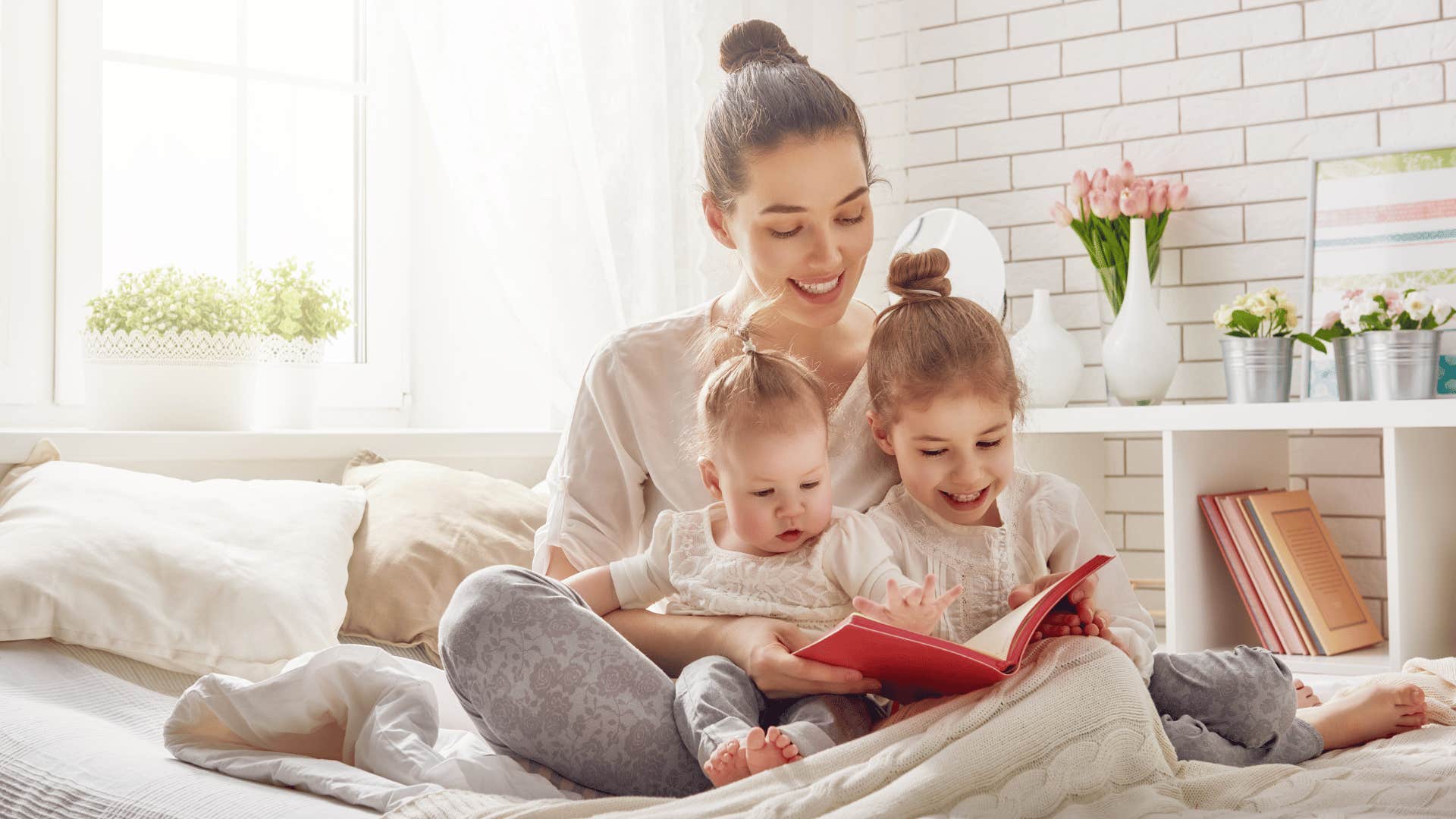
Kids thrive on routine, which is why they tend to notice even the slightest change to their daily schedule. Setting a routine doesn't have to be complicated. It can be as simple as reading a book before bed or listening to music during breakfast.
Routines can serve a practical purpose, like showing kids the importance of doing household chores. They also have symbolic significance for families, helping parents and kids feel emotionally connected to each other.
According to an article in the Journal of Family Theory and Review, there's a direct link between routines and child development. The researchers noted that having a consistent childhood routine is associated with better behavioral and emotional regulation. Kids who are involved in family routines show advanced emotional understanding and empathy, and they create strong bonds with other people, even those outside their family.
Routines can also be a source of building up a child's sense of resilience. The researchers discovered that having a routine can have a positive impact on families in high-risk situations. Routines provide children with a sense of safety, showing them what to expect.
3. Subtle tension between parents
 wavebreakmedia | Shutterstock
Kids are like little emotional barometers: They can tell when their parents' relationship is strained. They notice subtle tension more than their parents realize. They pay attention to small shifts in communication and emotional cues, along with their parents' body language.
While it's entirely normal for parents to have conflict with each other, children tend to be more perceptive than they seem.
According to a panel of experts, the most common arguments between parents occur around money, parenting and discipline, domestic responsibilities, and feeling neglected by each other. Family conflict, even unspoken conflict, can create an atmosphere of tension in the home that can cause kids to feel confused or emotionally unsafe.
Explaining to children that just because parents fight doesn't mean they don't love each other, can go a long way to soothe them.
4. When their parents are preoccupied
 fizkes | Shutterstock
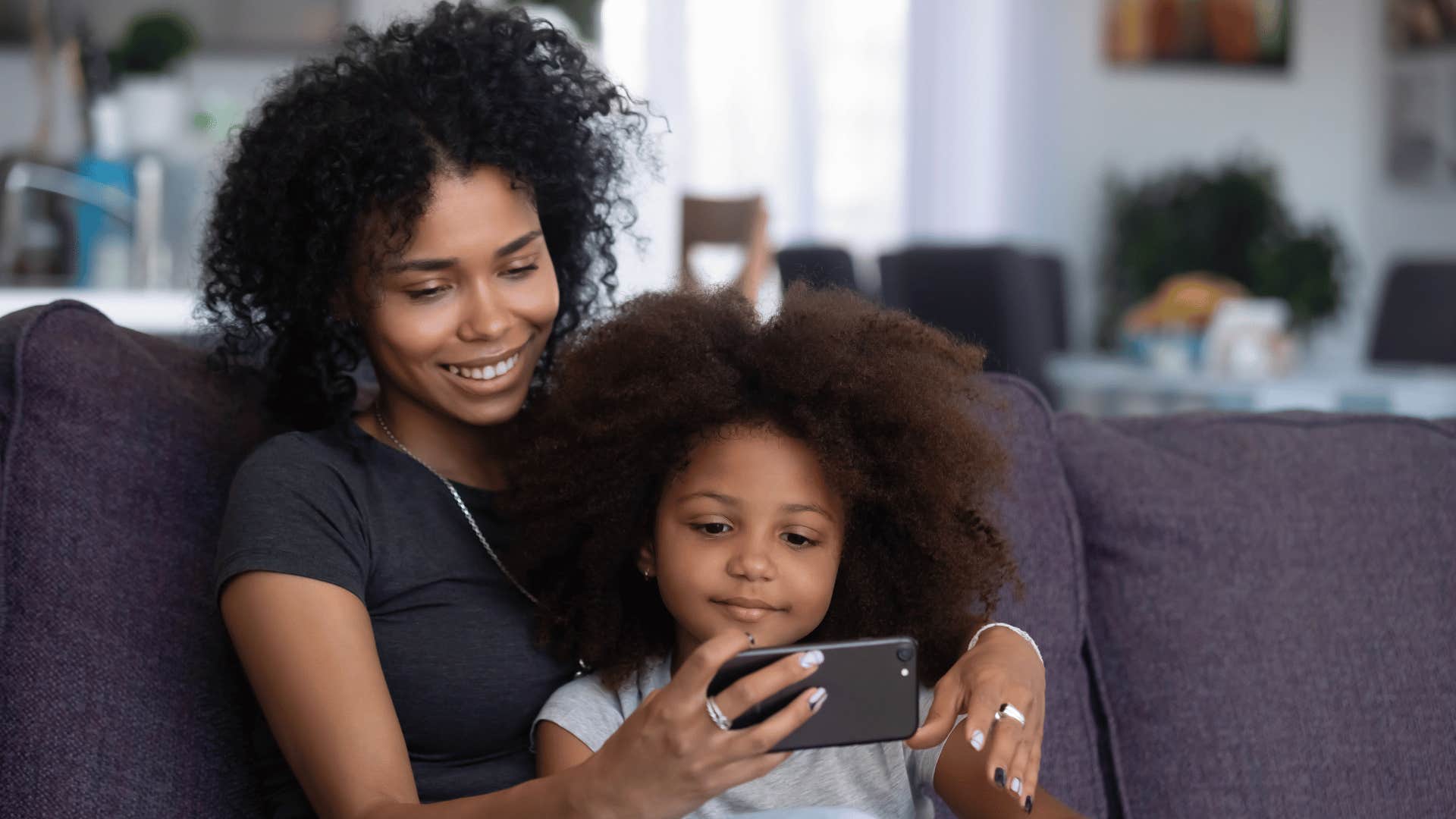
Parenting requires a level of being present that isn't always easy to give. After all, someone has to make dinner, and walk the dog, and make sure the laundry is folded. Along with household tasks, other distractions abound, especially since our phones provide a constant stream of distractions. It might be a small thing, but kids notice when parents are preoccupied by other things.
According to data, infants and toddlers are less likely to explore their environment and express distress when their mothers are on their phones. As many parenting experts say, "the number one indicator of how much screen time a child uses daily is how much screen time the parent uses."
According to a report from Lurie Children's Hospital, “Quality time with family helps children thrive,” says Alyssa Cohen, MD, MSc, pediatrician and health services researcher at Lurie Children's. “We recommend that families designate screen-free times of day or areas of the home, such as mealtime, to promote uninterrupted connection.”
While it's not entirely realistic to expect parents to never use their phones, being on them less often could certainly be beneficial to their children.
5. Acts of kindness
 Dima Berlin | Shutterstock
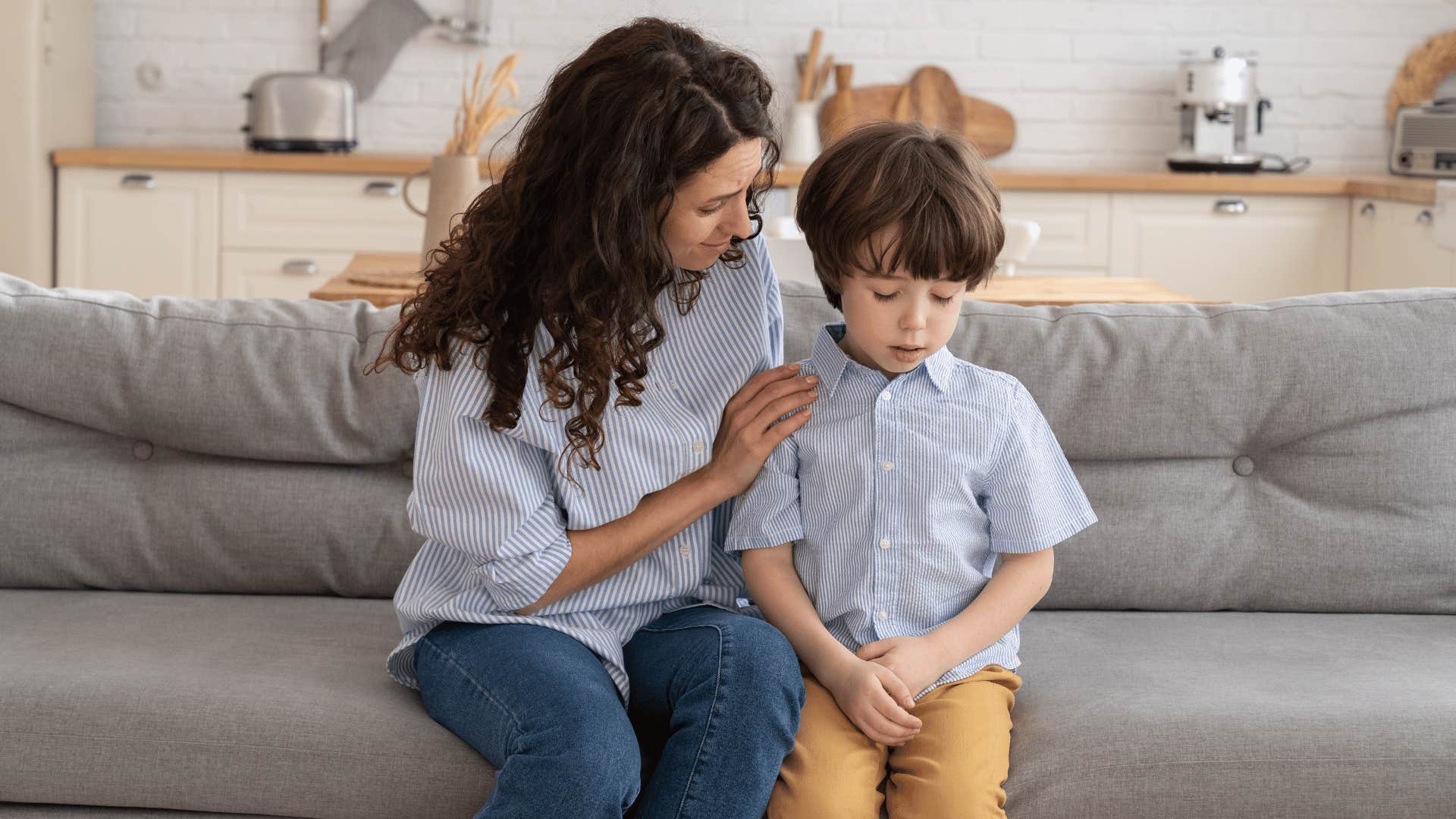
Acts of kindness are another thing most parents think are no big deal, but their kids notice immediately. After all, every day, kids are essentially learning how to be in the world. They watch their parents, their teachers, and their peers for examples of how to behave. They see when their parents say hello to their neighbors or help other people. They internalize whether their parents offer kindness to others and use that information as a model for their own worldview.
As a research study from Frontiers in Psychology discovered, children have a distinct understanding of what it means to be kind and what the prosocial outcomes of kindness are. The study referenced data showing that the people's sense of morality starts in infancy, noting that "Infants may possess a small set of principles that guide their sociomoral reasoning, termed the 'first draft' of human moral cognition" that guides their expectations that people should be treated fairly.
After conducting a series of interviews with children between the ages of 5 and 6 years old, the researchers established that children see kindness as something that affects the person giving it and the person receiving it, along with their own self-image.
Seeing kindness displayed in small, daily interactions builds up children's emotional intelligence and teaches them to have empathy and compassion, not just for others, but for themselves, too.
6. Displays of affection
 fizkes | Shutterstock
Kids witness how their parents show affection, both to them and to each other, and this is hugely influential upon their development. It helps them feel secure and shows them how to be kind and loving to others.
Touch is a crucial part of children's development. One of the first things a baby experiences when they enter the world is their parents' touch. As one psychological research study noted, "Children learn to be human through touch."
The study looked at the effects of positive touch and negative touch on children's socioemotional development, finding that positive touch was associated with social thriving, which researchers described as social consideration and attunement, empathy, social imagination, and happiness. In contrast, they found that negative touch predicted antisocial behavior, which includes social withdrawal and distrust, social opposition, depression, and anxiety.
Small and affirming gestures of affection, like hugs and holding hands, send a message of care that kids notice more than their parents realize.
7. Quality time together
 Monkey Business Images | Shutterstock
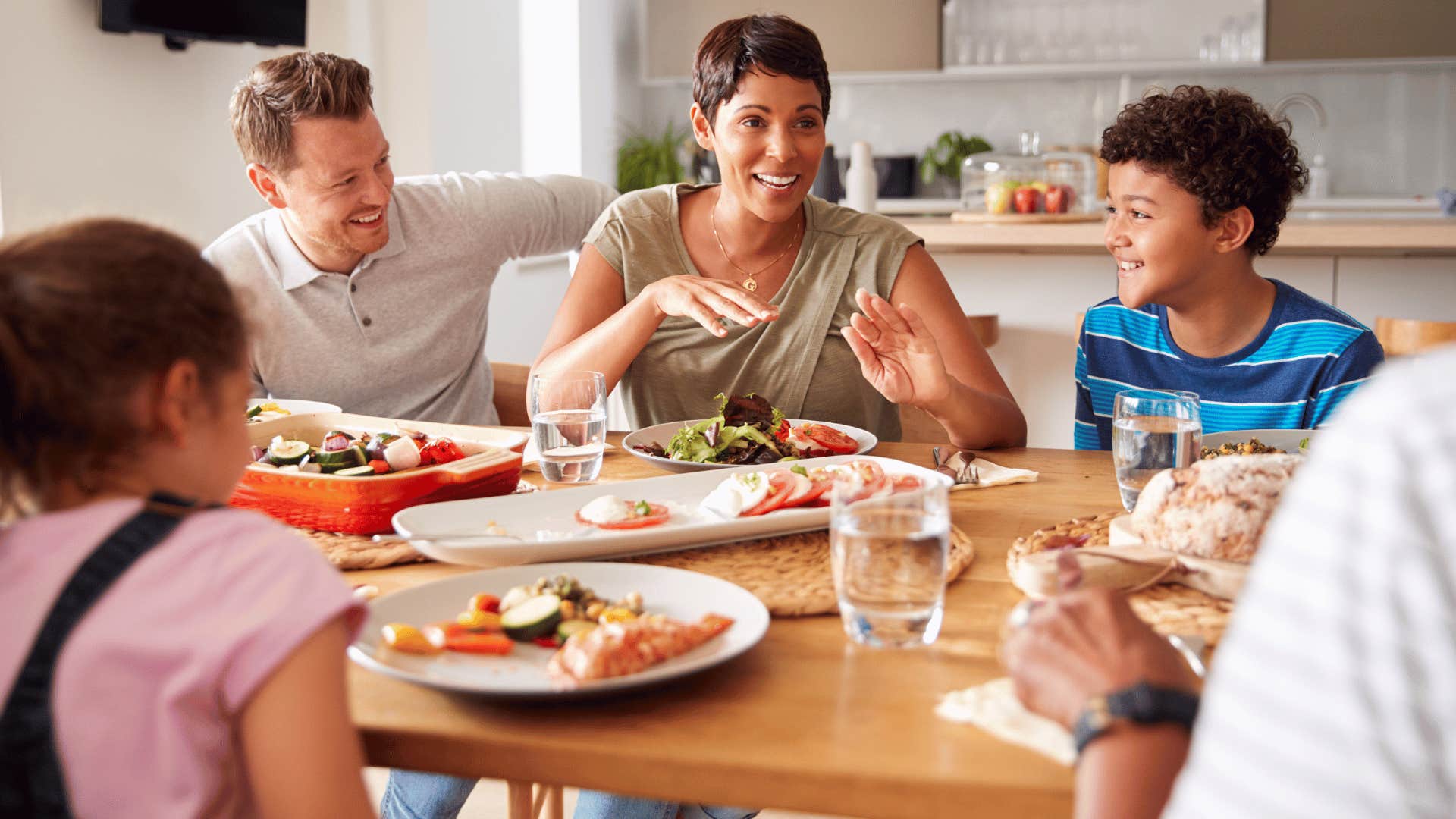
It can be hard to fit in family time between obligations like school, work, and all the activities kids do, yet spending focused time together helps kids and parents stay connected. Kids notice when parents are distracted, and they appreciate the moments when fun and togetherness are the main focus.
Psychologist Dr. Sheryl Ziegler explains that responsiveness is something kids not only notice, but need. She shared that being a responsive parent "implies you are accepting of where your child is at any given time and are sensitive to their needs."
More often than not, what's seen as acting out or misbehaving is actually a plea for loving attention. "The responsive parent looks past what appears to be happening and attunes to what their child needs," Dr. Ziegler concluded.
Even fleeting quality time is better than none at all. This can mean asking kids about how they're feeling while you're shuttling them from ballet rehearsal to piano lessons, or setting aside one night a week to have dinner together, without any screens. Spending quality time together is something kids crave, and they notice when it isn't happening.
8. Encouraging words and actions
 PeopleImages | Shutterstock
Kids tend to notice the way they show up for people in their lives. Kids see how parents speak to their friends, their other family members, and even strangers passing by on the street. When parents have a negative attitude towards others, kids learn that it's okay to be dismissive. When parents offer encouraging words or help to people in their community, kids learn how to be supportive.
Empathy is a learned skill, which means kids and adults alike can develop their empathy skills through practicer. It also means parents teach this skill to their kids through conversations, practice and modeling.
Kids notice when their parents treat others with compassion and respect. Seeing is believing, as the saying goes, so the more encouraging a parent is, the more kids understand how to act in kind.
9. Celebrating little wins
 fizkes | Shutterstock
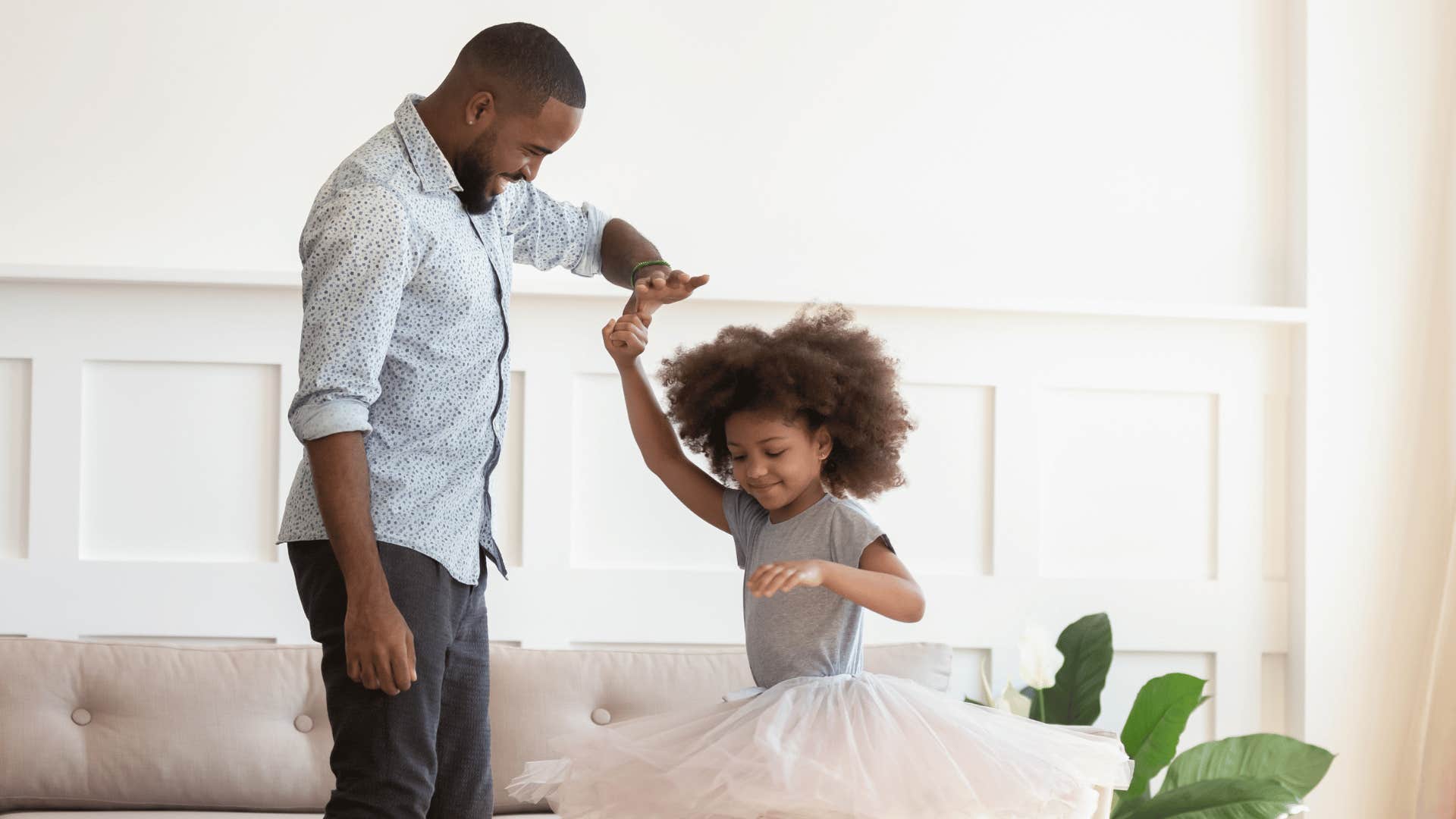
Kids notice when their parents celebrate small wins. They see when their parents acknowledge the little things, like picking up after themselves or completing a difficult math problem without breaking down in tears.
The majority of a person's accomplishments over the span of their life are made up of little wins. There are momentous occasions to celebrate, like graduating college and getting married, yet most of our time is spent compiling smaller-scale achievements. You did laundry, folded it, and put it away? Amazing! You finally made the phone calls you've been avoiding all week? Congratulations!
Parents who recognize when their kids did that small, hard thing send them the innate message that they can, in fact, do hard things. Celebrating little wins helps build children's sense of self-esteem and confidence, which is an end-goal of parenting.
10. Being compared to other kids
 Gladskikh Tatiana | Shutterstock
Sometimes, comparison comes from a well-meaning place, like a parent urging their kid to try out for the school play like the other kids in their class. Yet even when it's well-meaning, comparison can be majorly damaging to children's self-worth.
Some forms of comparison are rooted in criticism, like parents who favor one sibling over another, and constantly ask why a child can't act more like the other. The long-lasting negative effects of favoritism follow kids into adulthood, according to experts, making them believe they're not as worthy of love as everyone else.
When parents compare their kids to others, it teaches them that they're not good enough as they are. Curbing the urge to measure kids against external factors supports them in becoming exactly who they were meant to be.
11. How their parents handle stress
 fizkes | Shutterstock
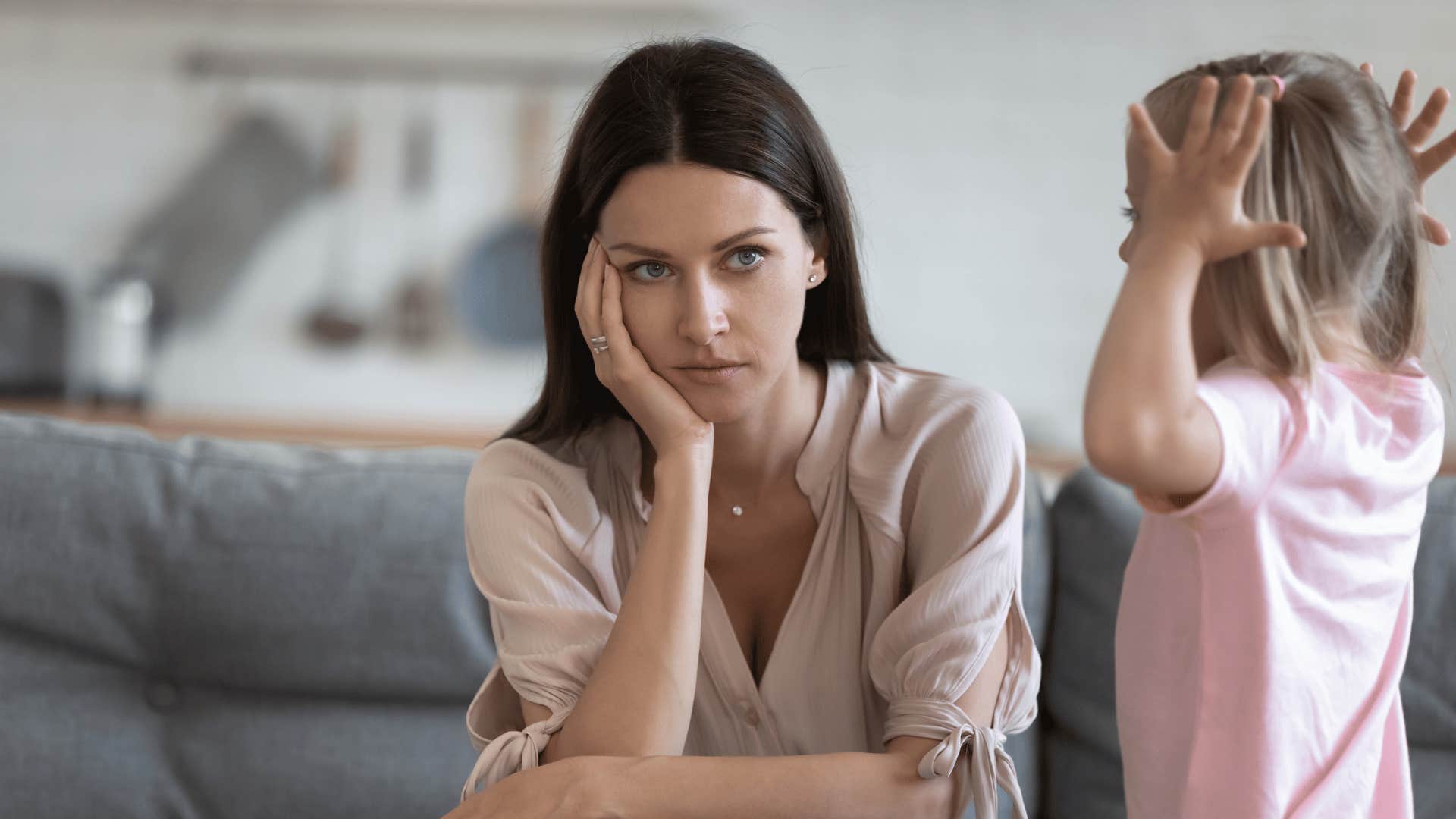
Among the many challenges of being a parent, being able to stay emotionally regulated is a big one. Kids notice how their parents handle stress and, as kids grow, they're bound to find themselves facing stress and conflict; they tend to mirror the reactions they've learned from their parents.
According to an annual survey conducted by the American Psychological Association, 73% of parents reported feeling stressed about their children's development on a social, academic, and emotional level. Feeling stressed is part of being a person who cares about other people, yet the ways someone deals with that stress can have major consequences on their well-being.
While it might seem tempting for parents to push their stress down and not talk about it, a study from Washington State University found that parents who suppress their stress actually pass those feelings onto their kids. When parents try to hide their emotions, kids tend to have a physical reaction.
The author of the study, professor Sara Waters, shared that the results show "What happens when we tell kids that we're fine when we're not. It comes from a good place; we don't want to stress them out. But we may be doing the exact opposite." She continued, "Research shows that it's more comforting for kids to have their feelings honored than just be told 'It's going to be fine.'"
Waters concluded that it's better for parents to express their feelings and let their children do the same. "Just sit with them and give them a chance to regulate those emotions on their own," she said. "And try to do the same for yourself, give yourself permission to be frustrated and emotional."
Children are naturally intuitive, which means they notice social cues and emotional responses more than parents realize.
Alexandra Blogier is a writer on YourTango's news and entertainment team. She covers social issues, pop culture analysis and all things to do with the entertainment industry.
