
Kids Raised In The 60s & 70s Were Allowed To Do 9 Things That Actually Made Them Better Humans
 fotoak | Shutterstock
 The world is completely different for kids today than it was for people who grew up in the 60s and 70s.
With phones and a new wave of parenting styles, older generations had upbringings that don't look the same as the ones kids experience now. But it's ironic that the simplest things old-school kids were allowed to do are the things that actually made them better humans.
Things 60s and 70s kids were allowed to do that made them better humans
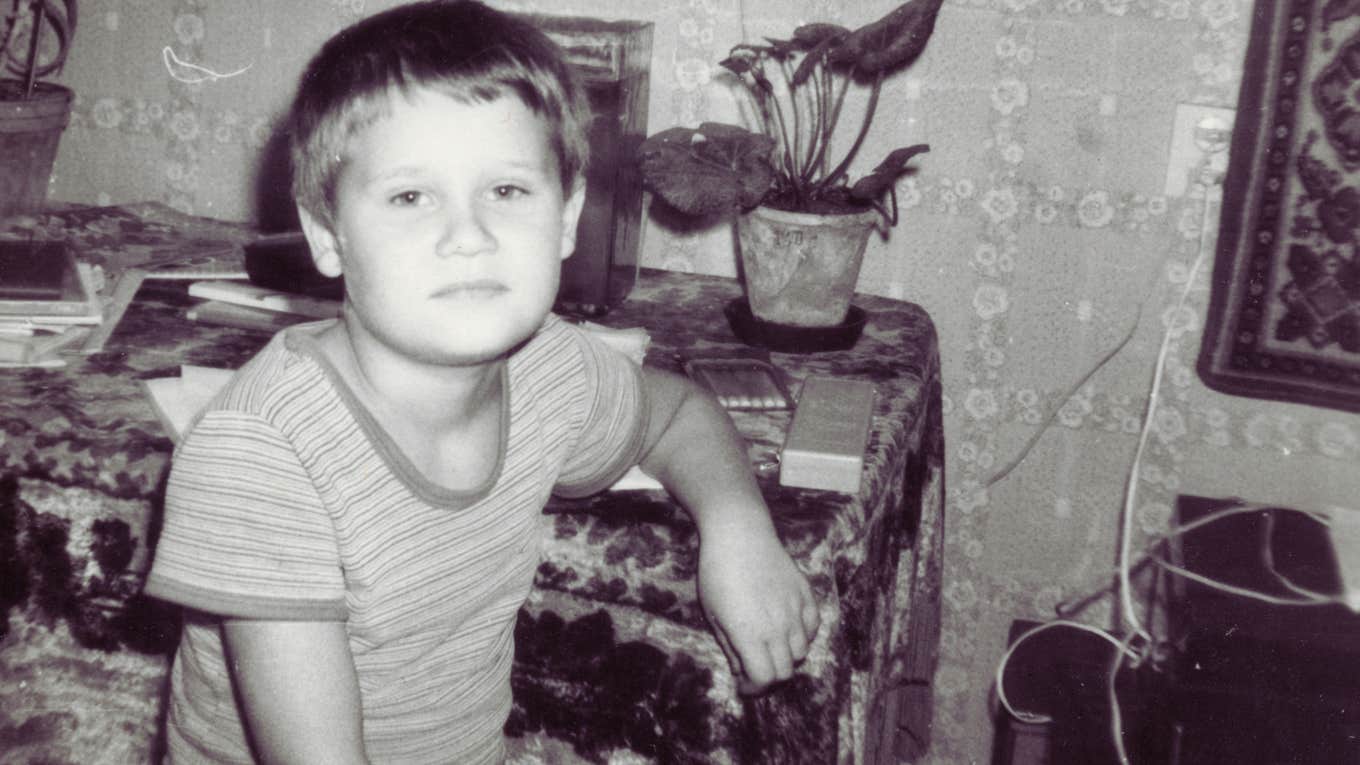
1. Spend most of their time alone
 Andrii Iemelianenko | Shutterstock
When kids spend more time alone and deal with boredom, it creates space for them to grow into who they are. Instead of being ushered one way by parents or influenced by social media at an impressionable time, these generations of kids learned to be themselves by appreciating their own company.
Kids who grow comfortable spending time alone also learn to avoid loneliness. They know how to fill their time, and if it's with unstructured play, there's a slew of benefits they also get from being able to do what they want without constant supervision.
2. Talk to strangers
Adults are happier when they're comfortable talking to strangers and making new connections. But they learn these kinds of fundamental social skills and the empathy necessary to care about someone else's stories earlier in life.
Without the buffers of phone screens or overbearing parents, Gen X and boomer kids learned these social skills from an early age. In fact, they learned how to be more secure in themselves and more curious about the world around them just from speaking with people they didn't know.
3. Take ownership of their schoolwork
Without overprotective parents solving problems or consistently holding them accountable, many latchkey kids had to take ownership of their education themselves. They were responsible for doing their homework and studying for tests, instead of expecting their parents to reach out to teachers and monitor their progress.
They're more disciplined, responsible adults today because they learned from mistakes and learned to take real ownership of their own lives.
4. Household labor
Many Gen X and boomer kids know what it's like to embrace boredom, because if they were brave enough to say "I'm bored" to their parents, they'd be tasked with more chores. Whether it was mowing the lawn or babysitting their siblings, they were given the kinds of household responsibilities that parents today outsource or do themselves.
Luckily, according to a Harvard research study, kids who are expected to do chores and help around the house end up as happier, more successful people.
5. Make mistakes and lose
 MAYA LAB | Shutterstock
Small failures and setbacks are good for kids. When they're actually allowed to make mistakes without being disciplined or have their parents solve problems for them, they become better adults.
This is usually because teaching kids a growth mindset helps them bounce back and actually learn from their mistakes, instead of believing that their character or intelligence is fixed or defined by errors. Even allowing them to lose at a game without trying to protect their feelings teaches them to sit with discomfort and to be happy for others.
6. Consume adult media
Whether it was the newspaper their parents left out or a movie they found on the TV, many kids had unrestricted access to all kinds of media in the 60s and 70s. Without parental controls or real anxiety from parents about age restrictions, they learned a lot about the world and adulthood.
In some cases, it created anxiety or brought up unhealthy feelings, but these things usually became reference materials for their own lives. They were already expected to mature early, but these pieces of media also gave them the chance to dream big and take a sneak peek at the real world before entering adulthood.
7. Make choices on their own
Yes, building decision-making autonomy is personal for so many kids, and dependent on their family circumstances and the choices at hand, but sometimes freedom boosts it entirely. When kids have the chance to practice making their own choices without overbearing parents taking the lead, they learn to face the results of their choices.
They can't learn how to look out for themselves and make the right decisions if someone's doing it for them during the most influential parts of their lives. That's why kids in the 60s and 70s, with tons of free time and freedom, grew into this mature, independent identity early on.
8. Challenge themselves
So many people grow up today with the idea that convenience is necessary. If they're uncomfortable, they automatically assume that something bad is happening when discomfort is almost always needed for personal growth.
Sometimes, according to a 2022 study, you even have to actively seek out discomfort to evolve into a better human. That's why kids offered the independence to make mistakes are better off today.
Gen X and boomer children were expected to challenge themselves and see through difficult circumstances, instead of immediately looking to adults and parents for help.
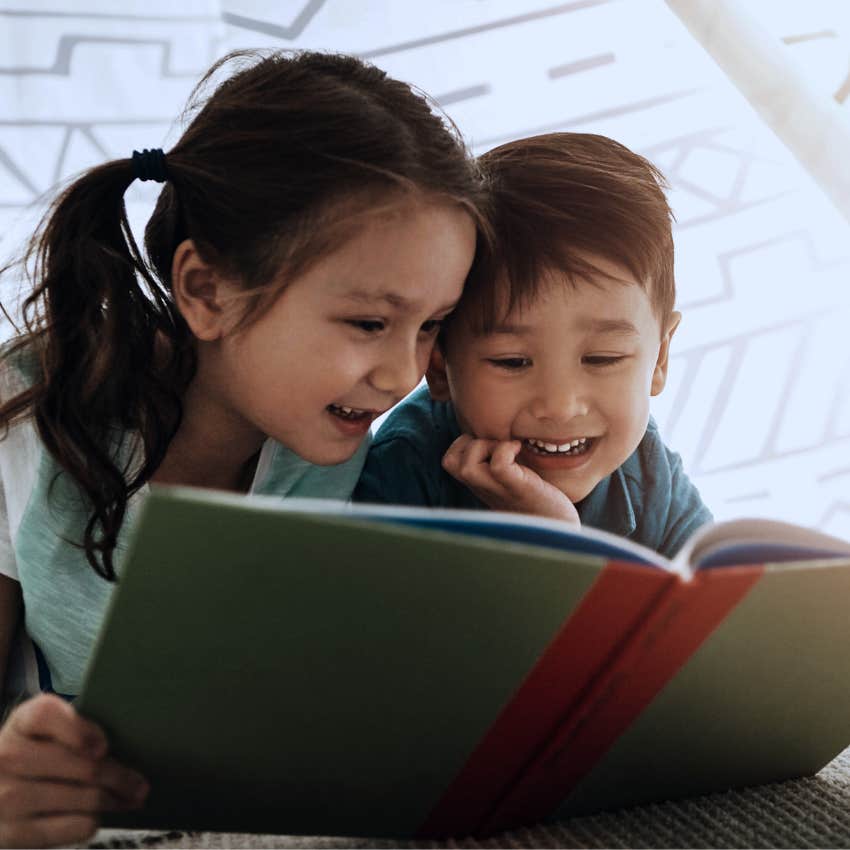
9. Read books
 PeopleImages | Shutterstock
Without the allure of a personal cell phone or social media to the same extent kids face today, reading was a common hobby for older generations. It wasn't so much that they were allowed to read, but rather they had no choice, with boredom and free time to deal with.
Not only are they better intellectually and mentally because of this hobby, but they're more well-rounded and empathetic. They've experienced and learned to understand all kinds of new perspectives about the world, just from choosing to pick up a book instead of consuming a highlight reel from someone else's life online.
Zayda Slabbekoorn is a senior editorial strategist with a bachelor's degree in social relations & policy and gender studies who focuses on psychology, relationships, self-help, and human interest stories.
