
Kids Raised By Gen Z Parents Will Likely Learn 10 Things Older Generations Ignored Completely
 Vitaly Gariev | Pexels
 While many Gen Zers are still young, some are also already parents. So, it's impossible to ignore all the ways their trailblazing mindset will continue in the upbringing of their own children. Gen Z has sparked a great deal of change on their own, and their priorities with parenting reflect that.
Still, Gen Z parents will likely teach their kids very specific things. These are the same lessons that older generations completely ignored. What these kids learn will not only set them apart, but influence the way they interact and communicate with others as they grow up.
Kids of Gen Z parents will learn these things, despite older generations ignoring them
1. Digital literacy
 Lightfield Studios | Shutterstock
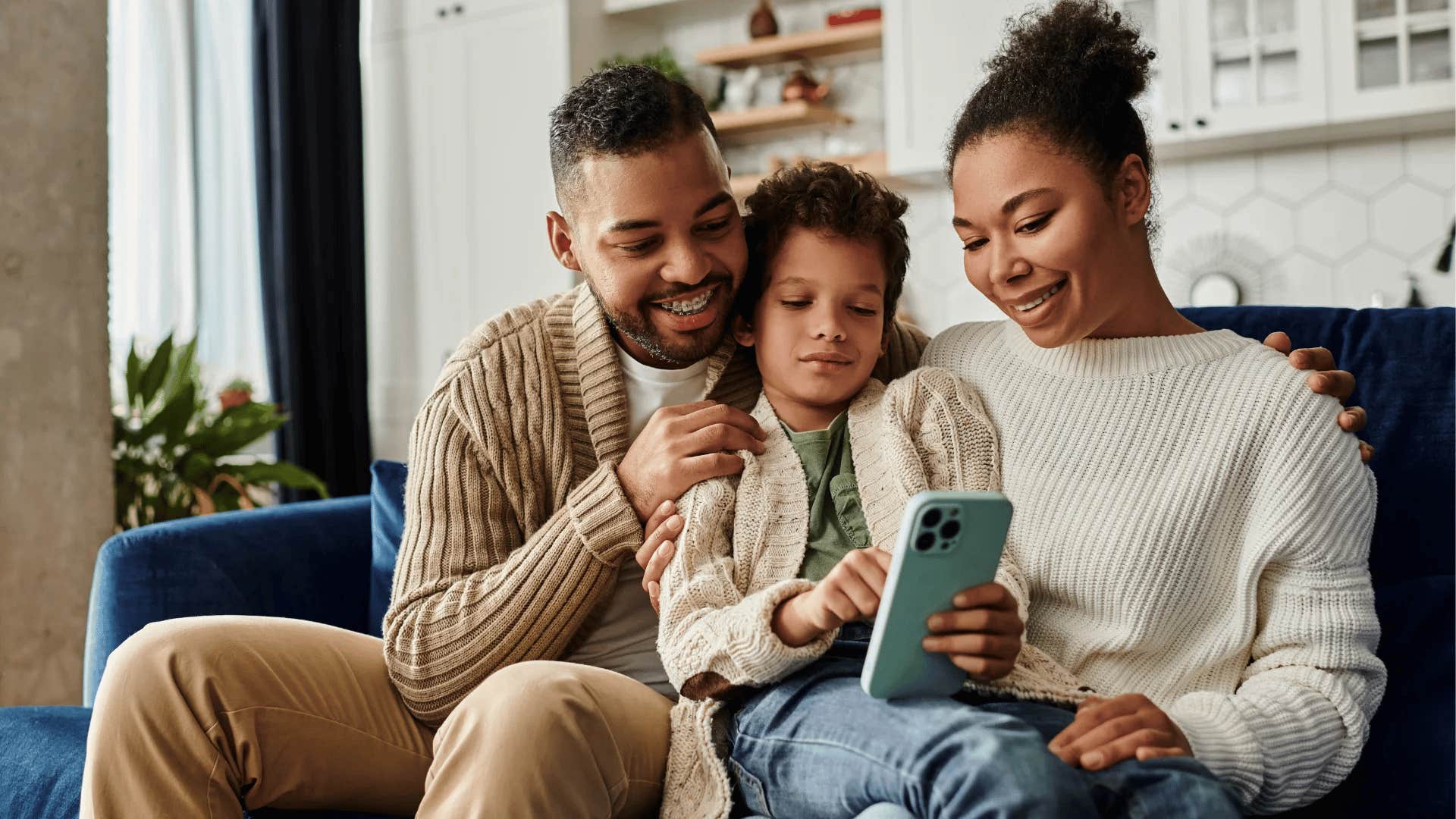
Gen Z not only grew up around technology and social media, but have also become immersed in it within every stage of their lives. From remote work accessibility to forming virtual communities, it wouldn't be surprising to see them take this digital interaction into their parenting lives.
It's a part of their identity that they'll likely teach their children, whether they're consciously opting to or not. They want their kids to grow up tech-savvy like they did, while telling them about the importance of healthy habits on technological devices.
2. How to speak openly about their mental health
 fizkes | Shutterstock
With the rise of technological accessibility and mental health resources, Gen Z has become one of the more socially and personally aware generations. They may be the most depressed and anxious generation, but they're also willing to openly address and discuss their mental health struggles.
They're more likely to report and problem-solve through their issues, compared to older generations who preferred to suppress their struggles or ignore emotional turmoil. The children of Gen Z will know how essential it is to talk about their mental health and put their well-being first.
3. Gender neutrality
 fizkes | Shutterstock
Gen Zers are consistently pushing the boundaries of traditional ideas to make room for more diversity and inclusivity. And in the past decade, as gender nonconforming identities and discussions about nonbinary inclusion have become the norm, Gen Z has led the pack in advocating for change.
Nearly 60% of Gen Zers agree that there should be more online inclusivity for gender nonconforming people, according to a Pew Research Center survey, especially in professional spaces or when choosing gender identities in various situations. The majority also argue for a more flexible, fluid take on the gender binary that ensures everyone feels comfortable.
When it comes to raising their own kids, this accepting mindset will follow, especially as the world and societal stigmas become more pressuring. It's urging Gen Z parents to make space for love and inclusion at home.
4. How to find meaningful connections and community
 Prostock-studio | Shutterstock
While many older generations were more likely to make friends and foster community in-person through third spaces or at work, Gen Z often finds their most meaningful connections online. They use social media or websites to form communities.
Coupled with digital literacy and resources to stay safe online, Gen Z will surely bring their experience of growing up and communicating online into their identities as parents. Doing this will shape the way their children interact with the online world.
5. How to navigate complex social issues
 imtmphoto | Shutterstock
At the forefront of social movements and advocacy-based causes, Gen Z has proven that they're committed to making a difference in their communities and the world. As more issues become real problems in their own lives, their impact has true power.
Considering younger Gen Zers are most motivated by social change and addressing inequity, it wouldn't be surprising to see first-time parents sharing this passion with their own kids. That may mean taking them along to protests or prioritizing educational opportunities in ways that boost their confidence in speaking out.
6. Expressing individuality
 fizkes | Shutterstock
As micro-communities and niche interests continue to flourish online, many Gen Zers experience a pressure towards uniqueness and individuality in their adult lives. And that will surely impact the things they teach their own children.
They're going to pass on important lessons of expressing yourself. That may mean encouraging their kids to pursue unique hobbies or celebrating them in eccentric self-expression. Many Gen Z parents are committed to creating an accepting space for their kids that they weren't granted in their own childhoods.
7. Financial literacy
 pics five | Shutterstock
While Gen Z has been characterized as the least financially literate generation, they've fallen behind the pack largely due to formal education and tailored money management courses in the classroom. Older generations, on the other hand, had more opportunities to learn about managing finances.
The majority of Americans, regardless of age, want to become more financially literate, naming their household situation growing up as one of the biggest reasons they struggle with money now. For Gen Zers, who viewed money as an inherently stressful and taboo subject at home, they're going to work to rewrite this narrative and set their kids up for success.
8. Valuing experiences over material items
 Drazen Zigic | Shutterstock
Despite growing up in an incredibly consumerist culture, made more problematic and apparent alongside the rise of technological accessibility and social media, Gen Z has largely adopted an experience-first mindset when it comes to larger financial investments and expenditures.
Considering many Gen Zers don't have larger savings goals or investments like a home to look forward to, they spend on experiences like a vacation or a concert. But it's not just a distaste for larger expenditures that keeps Gen Z from saving their money.
A TIAA Institute study suggests only 20% of Gen Zers are actively saving. It's also a combination of other factors like stagnant wages, an insecure job market, and rising costs. While their own parents and grandparents may have been more willing to sacrifice to make these larger purchases, Gen Z is instead focusing on improving their quality of life now.
9. Work-life balance
 Backgroundy | Shutterstock
Gen Z has proven to be much more motivated by a healthy work-life balance than their older counterparts. They're highly likely to teach their kids about how essential this balance is to their well-being, especially as they head into adulthood. They may even model the ideal behavior with their own work boundaries.
In fact, the majority of Gen Zers consider work-life balance to be their top priority when choosing a new job, according to a Deloitte study. They're committed to investing into their personal lives and relationships, unlike older folks who burnt themselves out in the name of company loyalty.
10. Respecting and setting boundaries
 Lightfield Studios | Shutterstock
Older generations might have been more accustomed to traditional parenting styles rooted in transactional reward-punishment ideals, likely as a result of their own upbringing. But Gen Z is cognizant of the ways their parents disregarded their own personal boundaries and how it harmed them.
So, when they're teaching their children important lessons, Gen Z parents want to have open and honest conversations about boundaries. Instead of barging into their kids' space or upholding an unfair power dynamic at home, things will be different.
Zayda Slabbekoorn is a senior editorial strategist with a bachelor's degree in social relations & policy and gender studies who focuses on psychology, relationships, self-help, and human interest stories.
