
Small-Town, Suburban & Big-City Kids Have Completely Different Ideas Of What Being Neighborly Means
 Maria Moroz / Shutterstock
People seem to feel more isolated than ever these days, and educator Clay Drinko, PhD, thinks being more neighborly might just be the fix we all need. When we choose to show up actively for those who live closest to us, even when we don’t always agree on everything, it becomes easier to feel less alone and more hopeful.
Still, depending on where you grew up, being a good neighbor might mean something quite different than it does to someone who was raised in a totally different kind of place.
Here's how where you grew up shapes how you show up for the people next door:
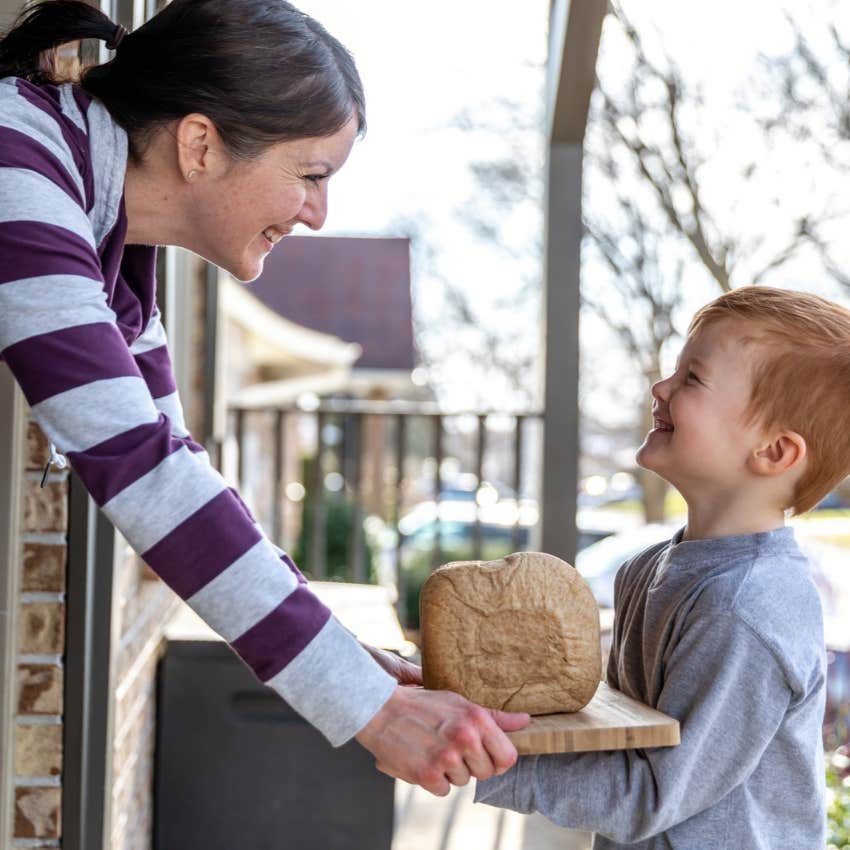
People raised in small towns show up for neighbors up with casseroles and small talk.
Small-town people are more generous for a reason. Researchers have found that they feel more deeply connected to the people and causes in their area. They might be in rural spaces far from one another, but they know the people they’re donating time or money to.
 Onfokus from Getty Images Signature via Canva
Small towns have pros and cons, like being under the watchful eye of town gossip and feeling a close-knit sense of belonging. But in the moments when it really matters, people show up.
They bring casseroles to grieving friends and struggling neighbors. They raise money for people who are going through difficult situations. They host potluck dinners. Doing all of these things keeps them feeling connected to their neighbors.
Suburban kids grow up respecting property lines and keeping the peace.
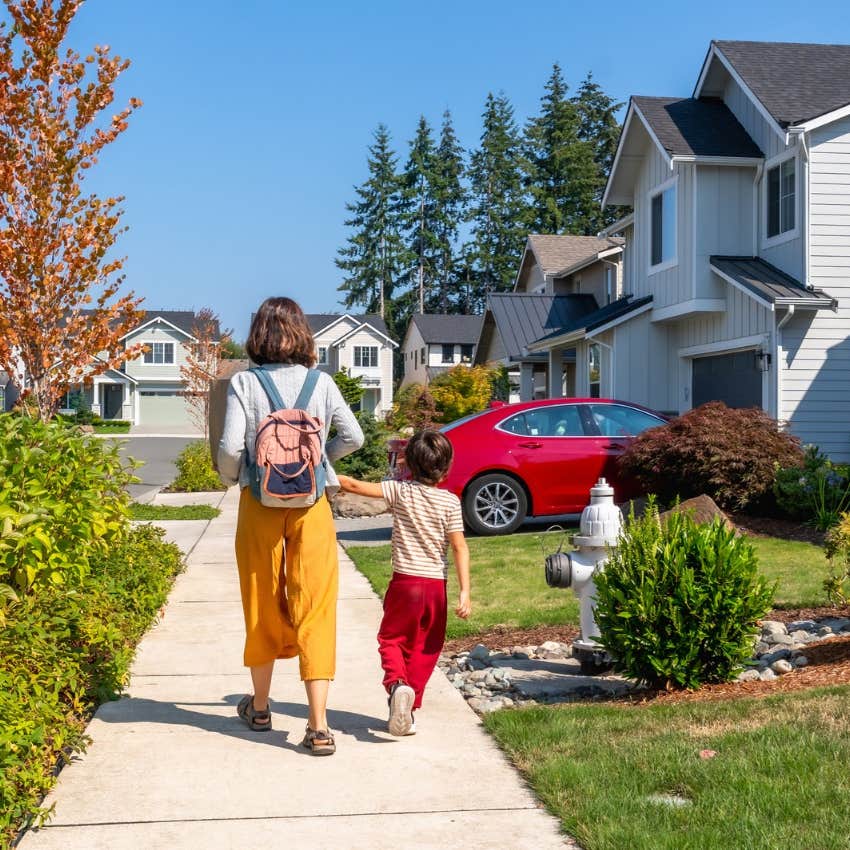
People who grew up in a suburban area think keeping your lawn maintained, not being too noisy, smiling and nodding as you head to work, and not being nosy are all things a good neighbor should do.
 Unai Huizi from Imágenes de unaihuizi via Canva
You may not spend every single day chatting it up with neighbors or going out of your way to donate money or time to them, but you still consider them. There’s also a wildly different kind of trust that differentiates city areas from rural and suburban ones.
According to a Pew Research Center study, suburban and rural people are more likely to give a key to a neighbor than their city counterparts. The longer someone stays in one place, the more trust grows, and the more likely they are to embody the stereotypical good neighbor trope.
Big city kids are raised to show neighbors respect by avoiding unnecessary interactions.
When you grew up in a big city, just stepping out of your front door can be overstimulating. The last thing you want is to get stuck having a 10-minute conversation with the person across the hall when you're trying to get where you need to be.
 MNStudio via Canva
You might think that living in closer proximity to people would automatically translate to a tighter-knit community, but that's not always the case.
While good neighbors will probably hold the door for you on the way out, they won't likely give you the same kind of support you might get in a smaller town because it's not always wanted. One survey even found that 65% of Americans actively hide from their neighbors.
Zayda Slabbekoorn is a senior editorial strategist with a bachelor’s degree in social relations & policy and gender studies who focuses on psychology, relationships, self-help, and human interest stories.
