
Kids Raised By Parents Who Let Them Run Wild Sometimes Usually Develop 3 Increasingly Rare Traits
 Andrey Sayfutdinov | Shutterstock
 Parents today seem to schedule every moment of their child’s day. But this overscheduling leaves no time for unstructured play, something Amanda Eliasoph, a board-certified behavior analyst, stressed is incredibly beneficial for young kids and their future success.
"Parents, if you're tired of looking on Pinterest and making 45 activities a week for your child to do to keep them occupied while you clean or cook or try to get work done, allow them to be bored," she explained. "Their little minds are so unbelievably creative, and that unstructured playtime is so good for their development."
Rare traits kids develop if their parents sometimes let them run wild:
1. They can problem-solve
 PeopleImages | Shutterstock
Problem-solving is a crucial life skill, and unstructured playtime helps kids build it. When they're bored and parents don't rush in to save the day, kids have to come up with their own ideas about how to spend their time.
Kids are then forced to figure things out on their own, navigating obstacles and coming up with solutions independently. If kids make up a game, for example, they have to agree on the rules and decide who goes first. These small problem-solving moments add up over time and prepare them for the more complex challenges they’ll inevitably face as they grow up.
2. They build resilience
 Air Images
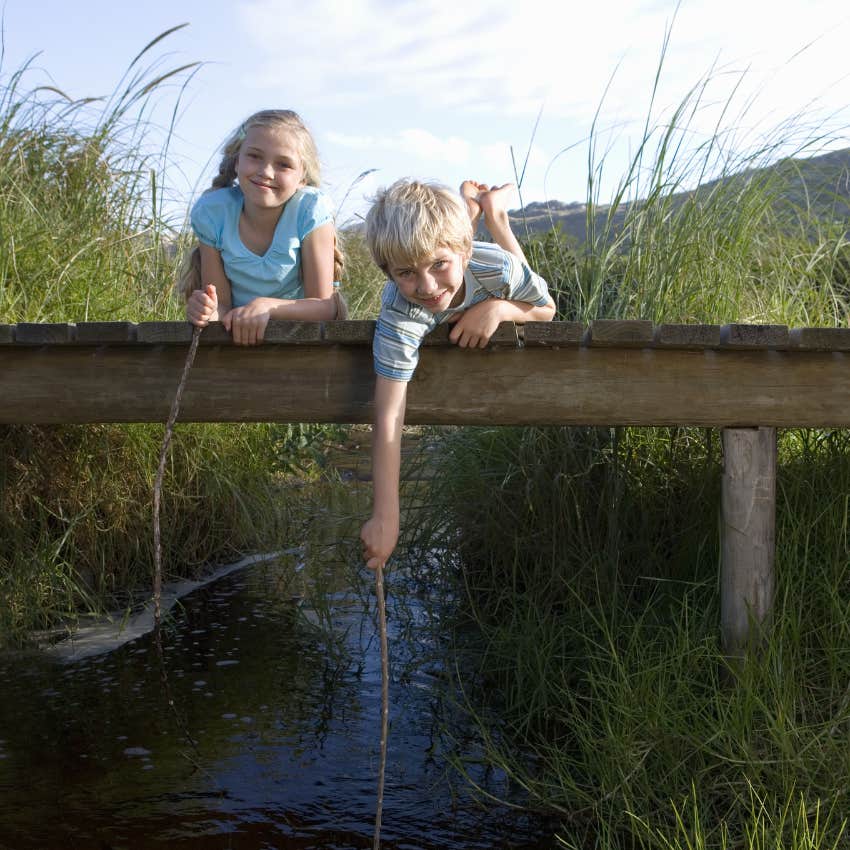
Unstructured play also helps kids become more resilient, a trait that serves them well in adulthood. Resilient people are better equipped to adapt to adversity and handle stress.
"When children engage in [adventurous and unstructured] play, they are exposed to situations that put them on the edge of their comfort zone," behavioral scientist Coltan Scrivner told Psychology Today. "Climbing trees, jumping off swings, and exploring unfamiliar terrain keep children right on the line between what they are comfortable doing and what they are a bit afraid of doing."
"These experiences can sometimes be scary, but they can also be incredibly empowering," he continued. "As children confront their fears and overcome challenges, they build confidence and resilience to stressful situations."
3. They can regulate their emotions
 FamVeld | Shutterstock
Unstructured playtime also aids in emotional development. When kids are left to their own devices, they experience a range of emotions, from frustration to excitement and happiness, and learn how to regulate them. If something doesn’t go as planned, they learn how to cope with disappointment and try again.
So, the next time your child is bored, instead of immediately stepping in, give them the space to figure it out. You’ll be amazed at how their growth and development flourish when they’re given the freedom to run wild. The benefits extend into adulthood, helping them succeed in the real world when you're no longer standing on the sidelines ready to lend a helping hand.
Erika Ryan is a writer working on her bachelor's degree in Journalism. She is based in Florida and covers relationships, psychology, self-help, and human interest topics.
