
People Raised By Broke Parents Often Know 11 Painfully Familiar Phrases By Heart
 Aksinia Prokhorova | Shutterstock
 Growing up with broke parents meant learning how to make do with what you had, even when you wanted something more. Being raised with limited resources often meant learning to save money, avoid unnecessary spending, and appreciate what you already owned. Children who grew up in these environments learned to be resourceful from a young age because their parents had to stretch every dollar. While these lessons could be useful later in life, they weren't always easy to understand as a kid, especially when you saw other families buying things your parents couldn't afford.
For people who grew up with broke parents, it's not just the things they went without that they remember, but the phrases their parents repeated over and over again. Whether it meant being told they couldn't buy anything at the store or having to eat whatever was already at home, certain sayings became a regular part of childhood. At the time, these reminders about money could feel unfair, but as adults, many people understand why their parents said them.
People raised by broke parents often know these 11 painfully familiar phrases by heart:
1. 'There's food at home'
 triocean | Shutterstock
As a child, you probably remember riding in the car, spotting those golden McDonald's arches, and begging your parents to stop for something to eat. But for children with parents who were broke, they were likely always told there was food at home to eat. Suddenly, those golden arches became a distant childhood memory that bonded entire generations together.
What lies behind this simple phrase is far more complex. According to a Map the Meal Gap report, 86% of U.S. counties with the highest levels of food insecurity are in the rural areas of the South. For many families, passing up fast food is a necessity, so their kids eat at home to stretch limited resources.
2. 'Turn off the lights'
 GBJSTOCK | Shutterstock
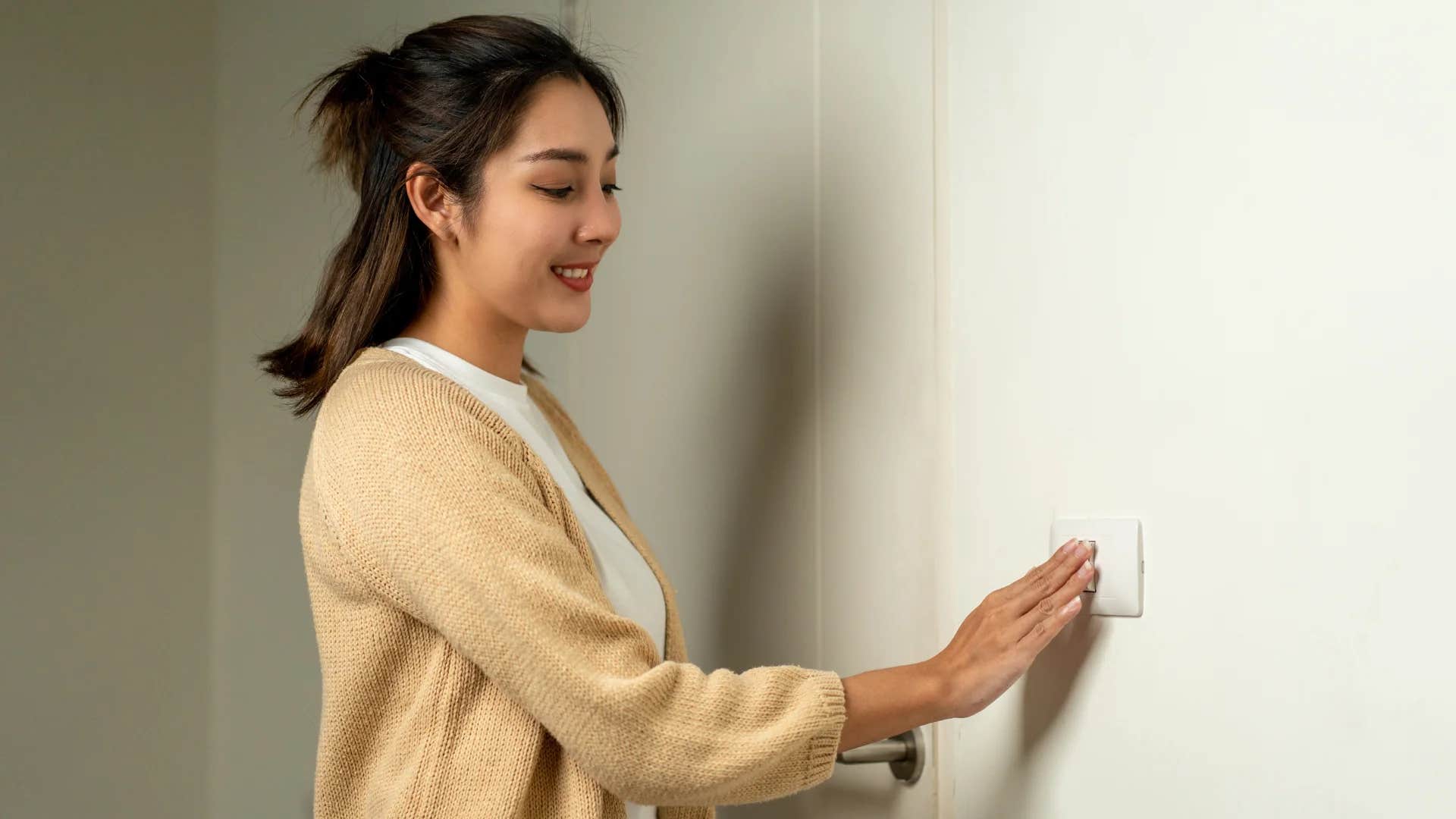
Parents always had a sixth sense for knowing when their kids weren't in a room, but the lights were on. They would yell at their children because the energy bill was too expensive to waste electricity. According to a 2024 HOP Energy survey, 48% of Americans are stressed about the cost of utility bills, with 69% saying that their electric bills have increased the most.
So, broke parents weren't necessarily wrong about wanting to save electricity. While turning off a few lights might not make a huge difference in your monthly bill, every little bit mattered to families who were already struggling to make ends meet.
3. 'If you don't like it, you can go to bed hungry'
 Yourcontentstock | Shutterstock
One of the common phrases that only make sense if you were raised by broke parents relates to dinnertime. Growing up, your parents wanted a little appreciation for the effort that went into a meal, so when you rejected it, saying you wanted something else, they took it personally.
They felt like you hated their cooking or were unappreciative of the food that you had. You may have been sent to your room without dinner because you were too difficult to deal with. While parents may have seen this as a way to teach their children to appreciate what they had, withholding food as punishment can create an unhealthy relationship with eating. There's a difference between expecting kids to eat what's available and using hunger as a consequence for refusing a meal.
Parents from younger generations seem to want to do things differently than their parents once did, particularly millennial parents. A survey from Lurie Children's found that 88% of millennials say their current style of parenting style differs from how they were raised, with 3 in 4 millennial parents practicing gentle parenting.
4. 'Money doesn't grow on trees'
 Prostock-studio | Shutterstock
When you wanted something considered a luxury, your parents would go on about how money doesn't grow on trees to try to show you that you really didn't need it. Your parents weren't technically wrong, though.
Of course, your parents weren't wrong. Money was limited, and they wanted you to understand that they couldn't afford everything you asked for. But as a kid, it was hard to understand why something you wanted so badly was completely out of reach.
That said, parents' discussions of financial matters with their children can affect them psychologically. A study published in the Journal of Youth and Adolescence found that youths who were more concerned about their family's ability to meet economic needs had lower academic performance. While parents can teach their children about money and budgeting, making kids feel responsible for the family's financial struggles can put unnecessary pressure on them.
5. 'Don't touch the thermostat'
 Halfpoint | Shutterstock
When you were growing up, there was an unspoken rule around the house that the thermostat was off-limits. There were two reasons for this: parents wanted to control the home's temperature, and energy costs were high. The more you ran the air conditioning, the higher the bill was; it was as simple as that. To parents, this was setting a boundary.
Keeping the thermostat at a certain temperature was often about saving money. When your parents were already struggling to pay the bills, turning up the air conditioning or heat could mean spending money they didn't have. That's why touching the thermostat without permission was such a big deal.
6. 'You don't need name brands, it's the same thing'
 Volodymyr TVERDOKHLIB | Shutterstock
When you shopped with your parents, you were probably quick to put things like Pop-Tarts into the shopping cart when they weren't looking, only to have them make you put it back and replace it with the cheaper store brand. Research from the Private Label Manufacturers Association revealed that consumers saved an average of 30.1% by opting for store brands over their name-brand counterparts. At the time, it felt like you were missing out, but now it makes sense.
The main difference between store brands and name brands is not just the packaging, but also the price tag. While some name-brand products are worth spending more on, many store-brand alternatives offer similar ingredients or quality at a lower price.
7. 'We're just going to look'
 Halfpoint | Shutterstock
When your parents took you to the store, you probably wanted to buy a new toy or a snack. But they would likely tell you, "We're just going to look," before you even got there, using one of the phrases that only make sense if you were raised by broke parents.
A study published in Maternal & Child Nutrition found that children will resort to strategies such as sneaking items into the cart when parents are not looking, just to get what they want. This means whether parents like it or not, their children influence their spending habits.
Of course, it wasn't always easy for parents to say no, especially when their kids begged or threw tantrums in the middle of a store. But for parents who were struggling financially, sticking to their budget often meant disappointing their children so they could afford the things their family actually needed.
8. 'Those are your school clothes, so don't mess them up'
 Hryshchyshen Serhii | Shutterstock
Children love to play dress-up, but if you did so in the clothes you wore to school or even Sunday church, your parents probably scolded you. They didn't want you to ruin a nice-looking outfit they paid for, and they found it important that you not stain or spill anything on it.
At lunch, you would guard your food tray, keeping it close to you to try to avoid an inevitable ketchup spill. Even recess felt like a minefield, with every game or activity becoming a threat to your outfit. Now that you're an adult, however, you only wear those nice outfits for special occasions rather than for recreational use.
9. 'It's a hand-me-down'
 Ann Kosolapova | Shutterstock
Parents with frugal tendencies would pass down clothes or toys from older siblings and cousins, as if it were a rite of passage. As a kid, you saw everything the older children were doing and wanted to mimic them. So, when your parents finally gave you something that once belonged to them, you loved it.
As an adult, you might see hand-me-downs as both a tradition and a cost-saving measure. However, growing up without much money may also influence how you shop as an adult. You might still prefer thrift stores, look for secondhand clothes, or hesitate to spend money on something new when you know you can get it for less.
10. 'I paid for that, so you're going to use it'
 MalikNalik | Shutterstock
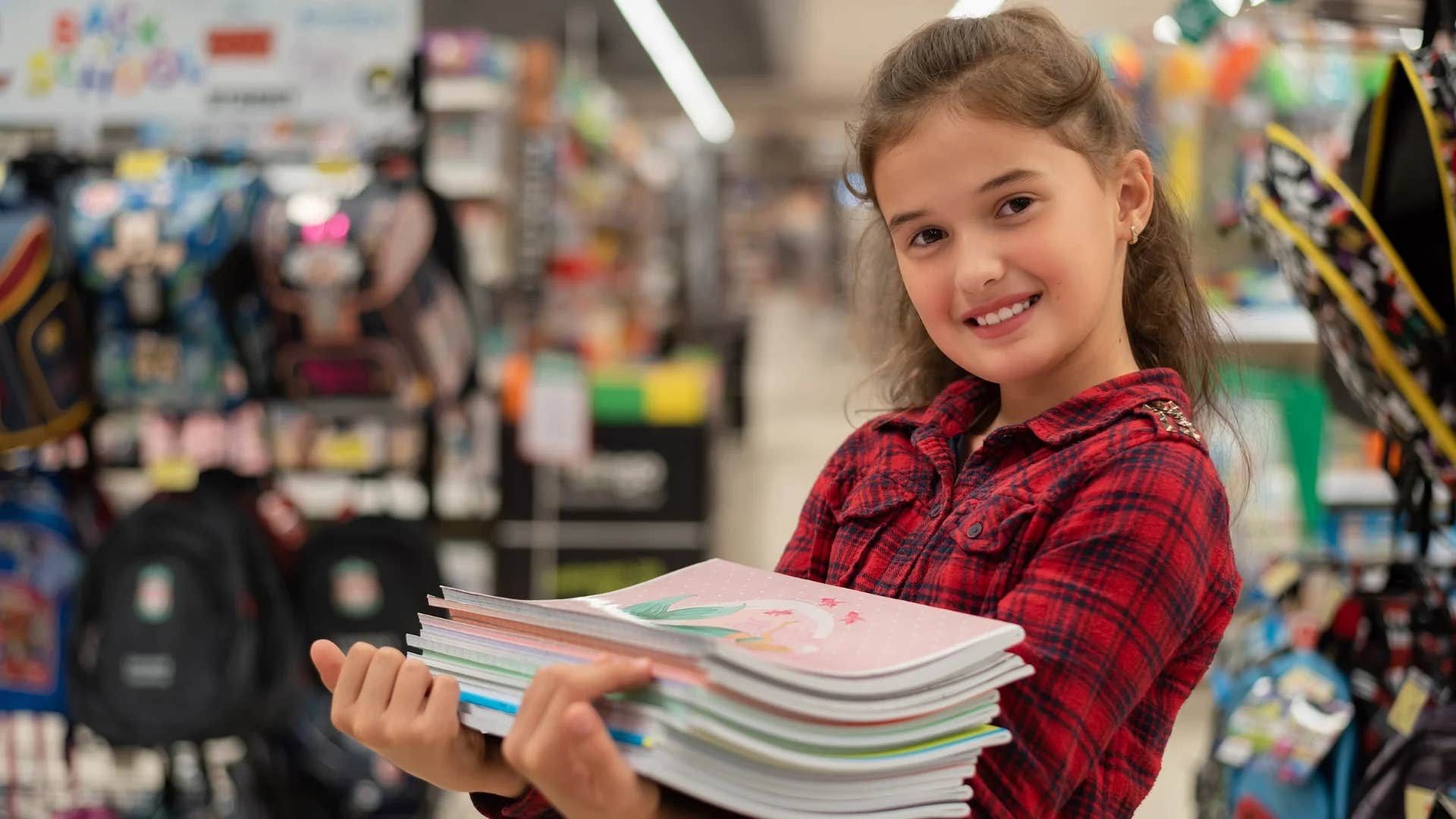
When your parents said this, they wanted you to appreciate every penny that went into buying whatever you needed. Most of the time they said this during back-to-school shopping trips. And according to a study by Capital One Shopping Research, the average household spent approximately $597 per child in 2023 on back-to-school shopping in 2023.
But your parents likely also said it on the rare occasions they let you buy something that wasn't essential. As children, you wanted the trendiest supplies and items that all the other kids had, but as an adult, you now see how important it is to pay attention to the price tag.
Your parents worked hard for every dollar they made, so when they bought you something, they made sure you knew to use it. Their lesson taught you to value what you have and appreciate the money it took to get it.
11. 'Make it last'
 Alexander_Safonov | Shutterstock
"Make it last" is one of the most common phrases that only make sense if you were raised by broke parents. Your parents said this as a practical reminder to be resourceful, not wasteful with the items you had. You learned to sharpen a pencil down to the nub, used both sides of a piece of paper, and rationed your snacks and candy. It was budgeting in its most basic form.
As adults, you make things last and even repurpose them, and you learned this behavior from your parents, who would make you reuse things or simply give them away so somebody else could use them. You might reuse containers or purchase used furniture, and you don't waste anything, whether it's food, clothing, or other products.
When you grow up with broke parents, you learn how to make the most of what you have. And while some of those childhood experiences may have been frustrating, the lessons about saving money and making things last can stick with you for life.
Sylvia Ojeda is an author who has over a decade of experience writing novels and screenplays. She covers self-help, relationships, culture, and human interest topics.
