
People Born In The 50s, 60s, 70s & 80s Have Very Different Ideas Of What Made A Good Parent
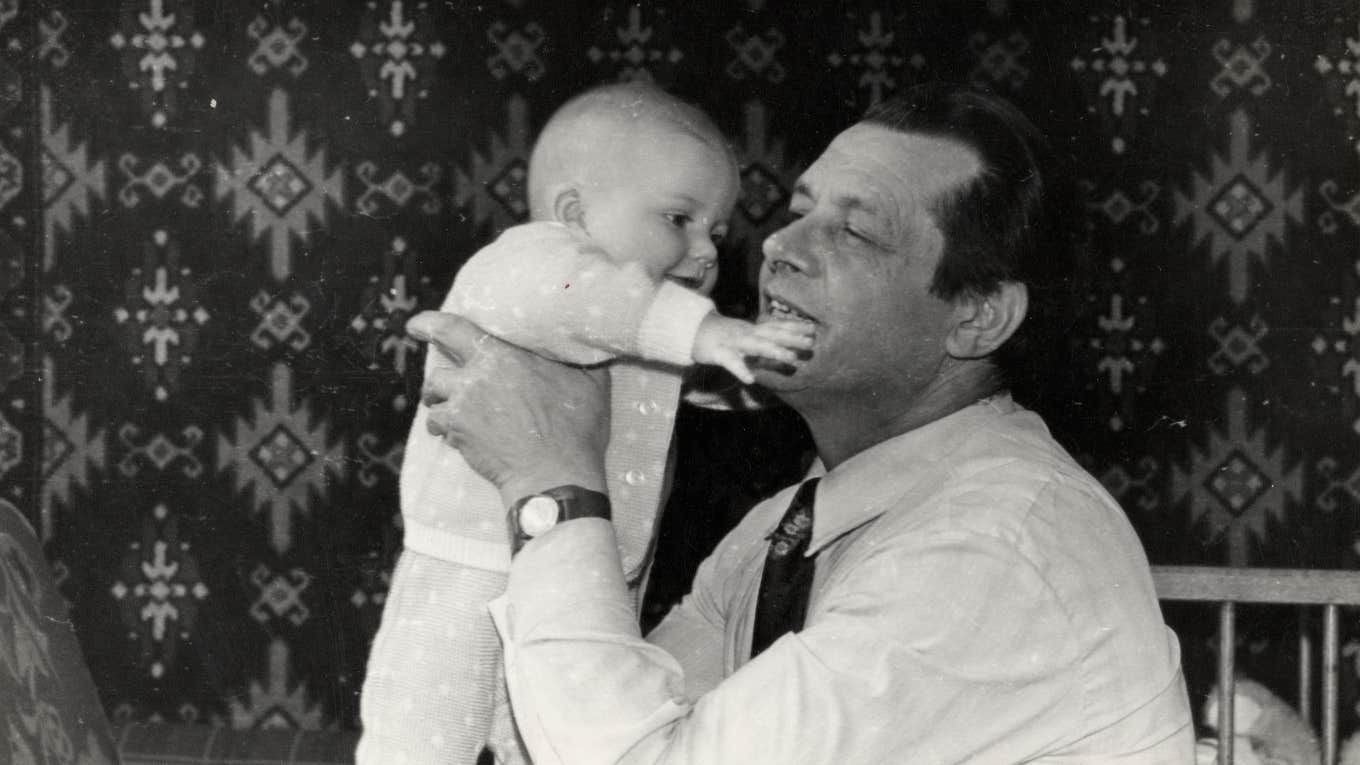 fotoak | Shutterstock
You might think that identifying someone as a good parent is as simple as knowing that a mom or dad makes sure their kids are safe and healthy, and in some ways, that may be true. The parent-child bond seems like it should be basic, but like most things in life, it can get pretty complicated depending on who you're talking to and when you're talking to them.
While gentle parenting was all the rage for quite some time, some sources say more parents are turning back to a more traditionally authoritative parenting style these days. So while many people might be able to agree on a general idea of what a good parent is, their specific thoughts are likely to differ based on the decade they were born in.
People born in the 1950s, 60s, 70s, and 80s all have their own ideas of what it means to be a good parent.
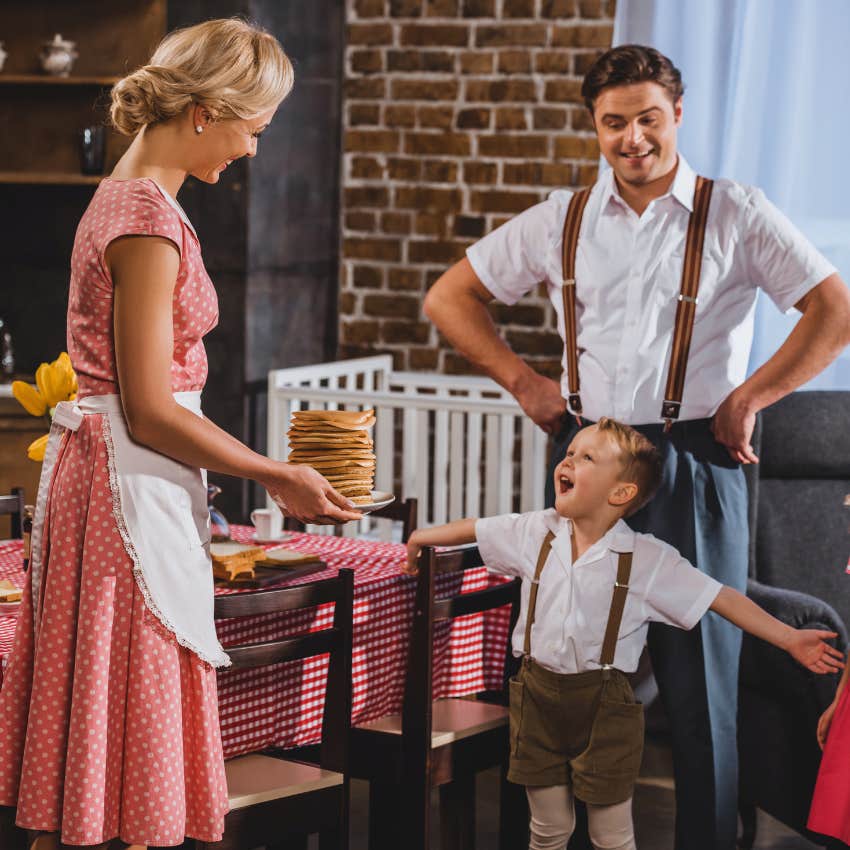
People born in the 1950s thought good parents should be traditional sources of stability.
Life in the 1950s was very traditional. People got married and started families pretty young, which led to the post-World War II baby boom. There was also a mass exodus of families moving from cities to the suburbs, where families could live seemingly perfect lives behind white picket fences.
 LightFieldStudios from Getty Images Pro via Canva
Both men and women were confined to traditional gender roles. Fathers were the providers who spent the day at work and then spent pretty minimal time with their children when they got home. Mothers stayed at home and took on the primary role of child-rearing.
People living at this time valued raising helpful, obedient kids. Their children got the message that everyone had a specific role in the family. Good parents provided a good life for their children while also conforming to society's expectations of them.
People born in the 1960s thought good parents didn’t have to be so traditional.
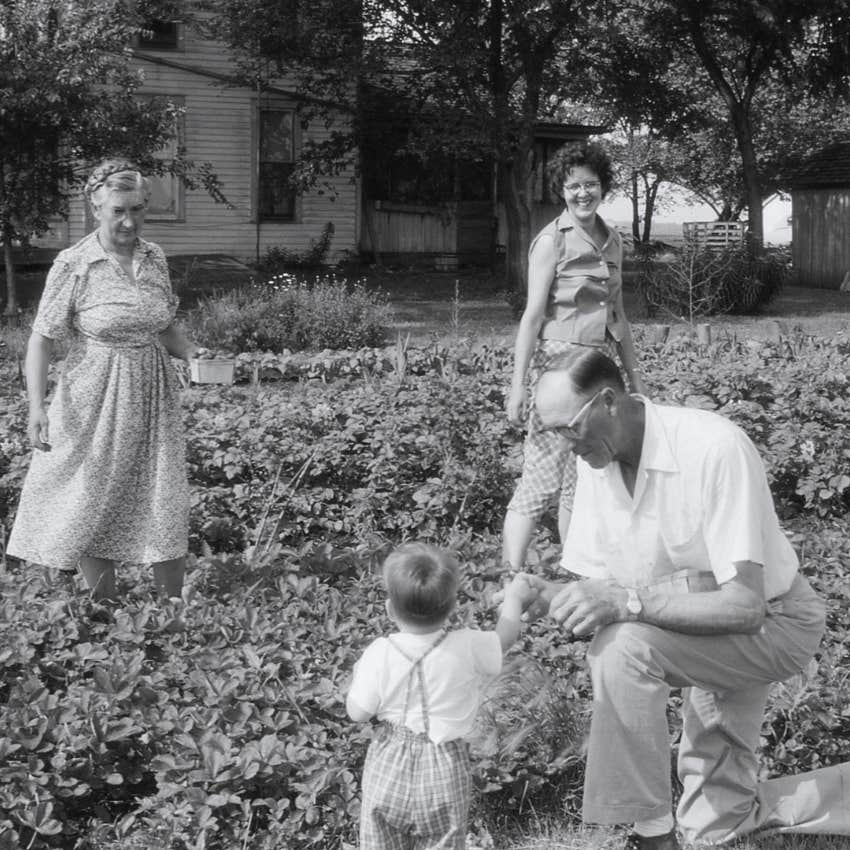
Family life in the 1960s wasn’t all that different from the 1950s, at least at first. The nuclear family still reigned supreme with fathers and mothers in traditional roles. Historian Steven Mintz noted that it was impossible not to compare 1960s families to the Cleavers on “Leave It to Beaver,” one of the most popular shows at the time.
 NNehring from Getty Images Signature via Canva
The flipside of the 60s was deep political unrest and the rise of counterculture that made people start to question whether continuing to follow the status quo really was the best option for the future. This changed family dynamics and parenting in a big way.
Kids of the 60s were the first to realize parents didn’t have to be boxed into the same roles they’d been in for years. They also watched their parents care about their children on a more individual level. Many were more relaxed and gave their kids the support they needed to do well in life.
People born in the 1970s found out that good parents didn’t have to be involved in every aspect of their lives.
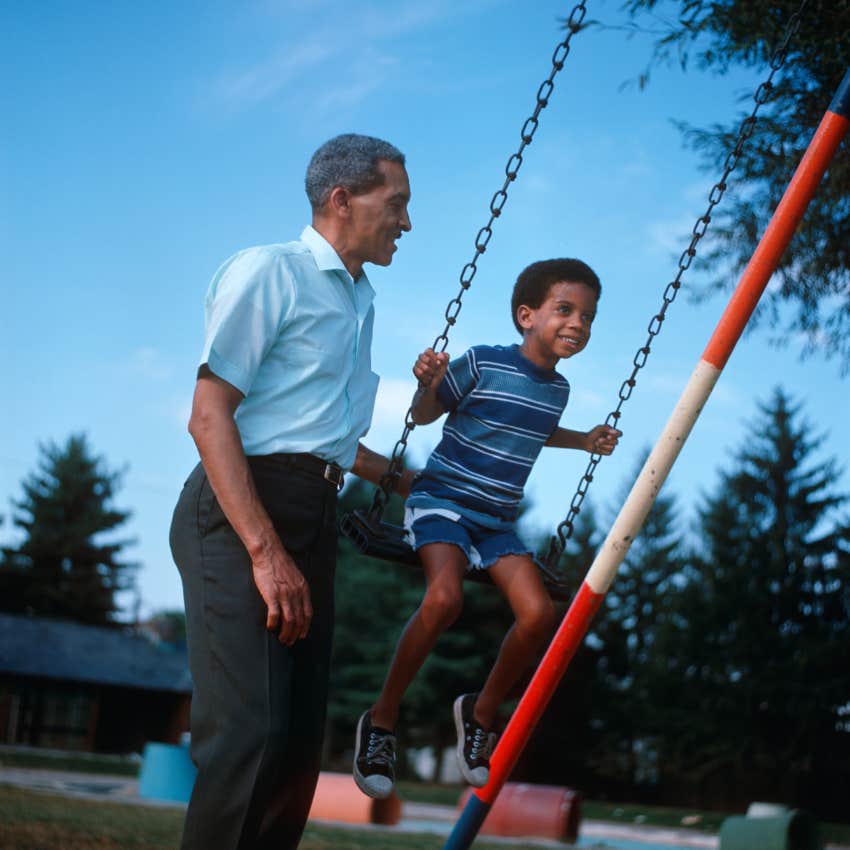
The 1970s brought many changes for families and parenting. Women prioritized fighting for equality, and many started working outside of the home, which shattered the image of the traditional homemaker who spent all day with the kids.
 H. Armstrong Roberts from Photo Images via Canva
Divorce also became more common in the 1970s, thanks to changing laws. With family life going through so many cultural shifts that affected everyone, the image of a good parent got a bit of a makeover.
Kids born in the 1970s had parents who were present in their lives but also allowed them to have more independence and make their own choices. They appreciated this happy medium parenting style that let them do their own thing while still giving them adults to rely on.
People born in the 1980s thought good parents needed to be a bigger part of their kids’ lives.
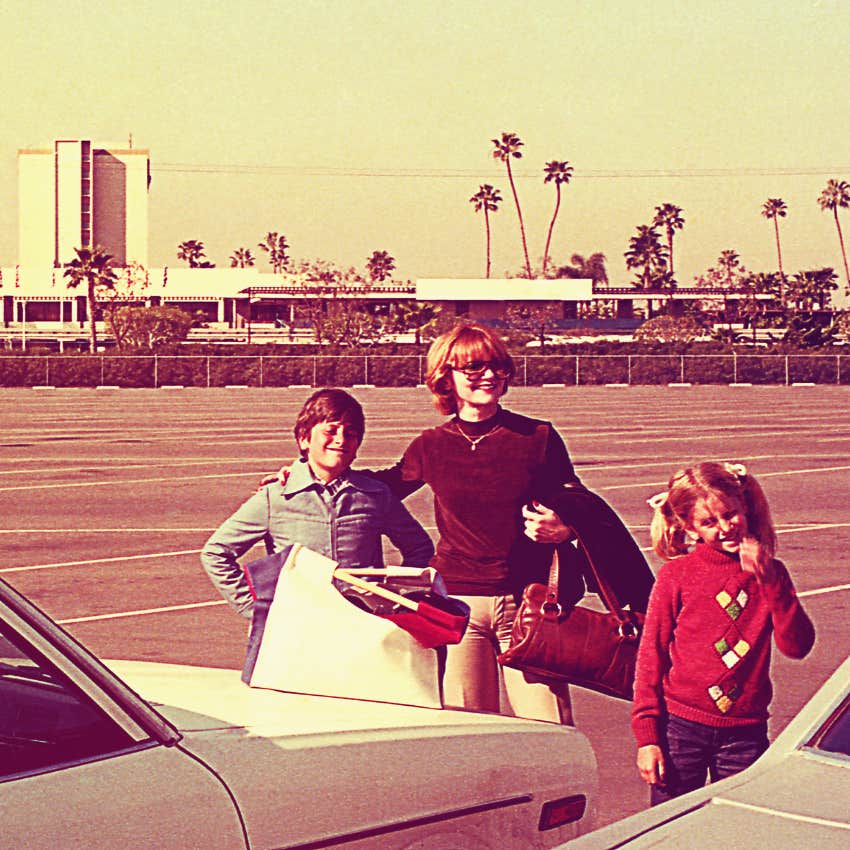
Parents were much more hands-off in the 1980s. They thought their kids should be able to figure things out on their own instead of requiring their constant supervision. Sometimes this was a good thing that helped them build resilience.
 Shanina from Getty Images Signature via Canva
But some kids also felt like they had to take on too much responsibility and like their parents were a bit detached. Thankfully, they had early technology and a thriving entertainment industry led by MTV to keep them company.
Kids who grew up during this decade saw the wisdom in giving children the space they needed to become self-reliant. But, at the same time, there were a lot of things their own parents did that they wouldn’t repeat.
Mary-Faith Martinez is a writer with a bachelor’s degree in English and Journalism who covers news, psychology, lifestyle, and human interest topics.
