
6 Ordinary Parts Of 80s Childhoods That Accidentally Built Emotionally Strong Adults
 melissamn / Shutterstock
 Few parents set out to deliberately teach emotional resilience every day. More often, it developed through ordinary childhood experiences that simply came with growing up at a particular time.
No childhood is perfect, and growing up in the 1980s certainly wasn't either. Kids growing up back then certainly faced their own struggles, just like every generation before and after them, but life also moved at a different pace that was highly beneficial to them in many ways. Without constant digital entertainment or immediate access to information, many everyday situations required patience, creativity, awareness, and independence. Many of the most ordinary parts of childhood at the time unintentionally shaped them into adults with tremendous emotional strength.
Kids raised in the 80s accidentally became emotionally strong adults because of these ordinary parts of their childhood
1. They had to solve a lot of small problems on their own
 Boris Hamer / Pexels
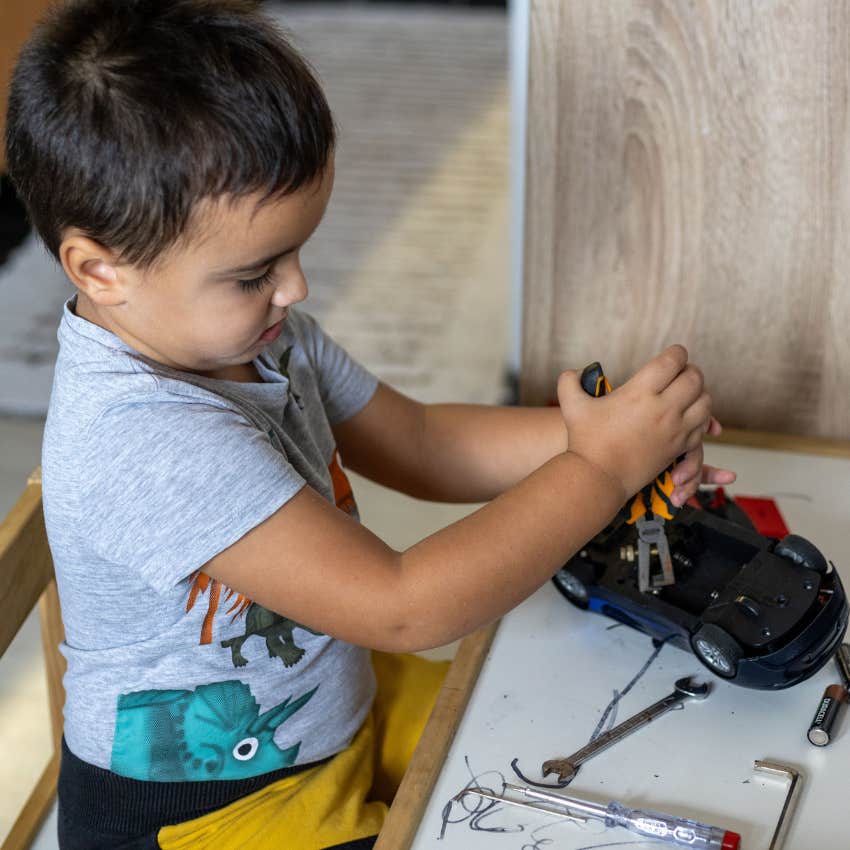
In the 1980s, if your bike chain fell off, your plans changed unexpectedly, your toy car broke, or you got lost in the neighborhood, there usually wasn't an internet search or AI waiting to tell you exactly what to do. Many kids learned through trial and error, where they either experimented or asked neighbors and friends for help.
Sometimes they got it wrong the first time, and that was simply part of the process. They learned that not every problem had an immediate answer and that a little patience often went a long way. Those small moments built confidence because every solved problem became proof that they could handle the next one.
Learning to trust your own judgment begins with overcoming ordinary challenges. While having answers at our fingertips is incredibly convenient, there's something valuable about giving yourself a chance to think through a problem before immediately reaching for your phone.
2. They spent long stretches entertaining themselves
Being bored wasn't treated like an emergency back then. Rainy afternoons and school breaks usually meant coming up with games, building forts, drawing comics, reading books, or simply daydreaming until something interesting happened. If your friends weren't available, you found something to do. Imagination used to fill in the gaps that screens often fill today.
Without endless digital distractions, imagination became the entertainment. That ability to sit with boredom and create something meaningful from it still supports flexible thinking through creativity and emotional regulation well into adulthood.
3. They learned to navigate friendships face-to-face
 Norma Mortenson / Pexels
In the 80s, disagreements couldn't be settled by leaving someone on read or unfollowing them online. Kids usually had to knock on a friend's door, apologize in person, work through misunderstandings on the playground, or wait until the next day to repair hurt feelings. That wasn't always comfortable, but it taught them that relationships take effort.
Those experiences helped develop communication skills, conflict resolution, perspective building, and emotional resilience. Learning how to repair relationships became part of growing up. Those skills still matter today. Knowing how to have an honest conversation is something people continue to benefit from throughout their lives.
4. They weren't constantly comparing their lives to everyone else's
It used to be that childhood memories stayed within family photo albums rather than being shared instantly with hundreds of people online. Kids weren't constantly exposed to carefully curated snapshots of other people's vacations, achievements, birthdays, or possessions. Most of the time, you only knew what was happening in your own neighborhood or among your own friends.
As a result, kids learned to enjoy experiences without wondering how they measured up against everyone else. That doesn't mean comparison didn't exist, but it was far less constant than it is today. It's much easier to appreciate your own life when you aren't comparing it to dozens of carefully edited versions of someone else's. While social media certainly has its benefits, taking breaks from constant comparison can be surprisingly refreshing.
5. They experienced more freedom along with real responsibility
Many '80s kids walked to friends' houses, rode bikes around the neighborhood, helped with chores, or stayed home alone for short periods once they were old enough. With that freedom came responsibility. They learned to manage their time and understand that independence also meant being accountable for their choices.
Parents often expected kids to figure out minor problems without constant supervision, as well as be home by dinner and check in when they arrived somewhere. Those expectations built confidence over time. Being trusted with age-appropriate responsibility can help build confidence that couldn't be taught through lectures alone. Those experiences gave many children confidence that carried into adulthood because they'd already spent years proving to themselves they were capable.
6. They understood that not every uncomfortable feeling needed an immediate solution
 AI25.Studio Studio / Pexels
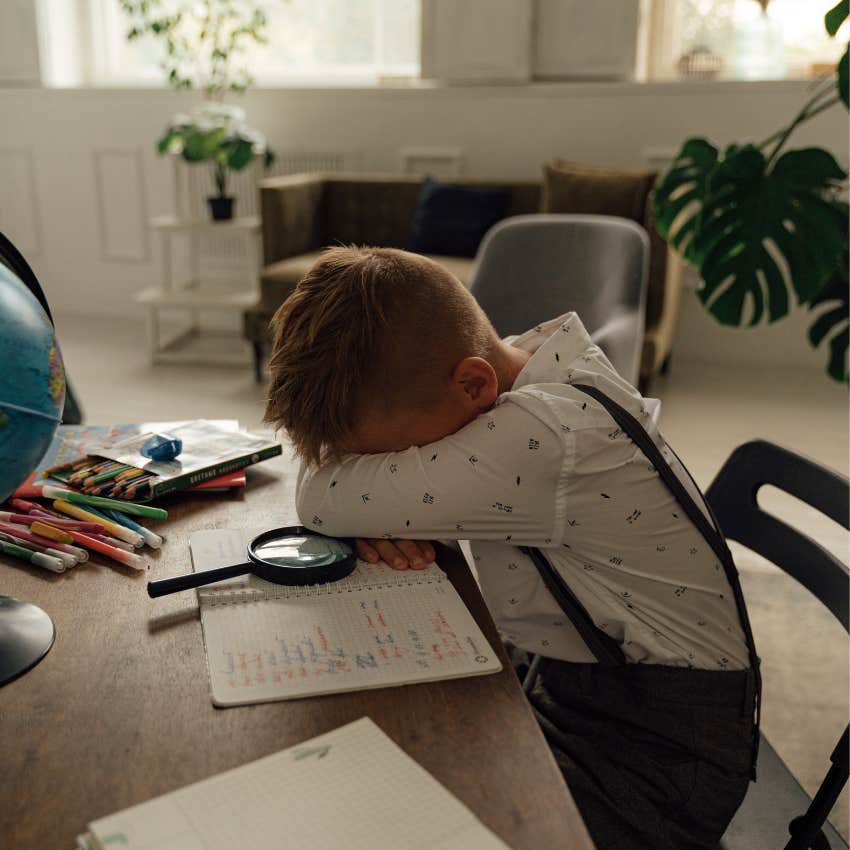
Waiting for a favorite TV show, saving allowance for something special, missing a friend until the next phone call, or sitting through disappointment were all regular parts of life. There weren't always instant distractions available to make uncomfortable feelings disappear. You couldn't stream the next episode right away or instantly text someone whenever you missed them. While frustrating at the time, those experiences quietly taught patience. Instead, many children gradually learned that frustration, impatience, embarrassment, and disappointment were temporary emotions they could survive.
One of the biggest signs of emotional resilience isn't avoiding uncomfortable feelings, but it's knowing they won't last forever. Learning to sit with discomfort, rather than immediately trying to escape it, is a skill that continues to serve people throughout adulthood.
MeShanda Deason is a writer with a BFA in Creative Writing from Stephen F. Austin State University and minors in Business Communication and Literature who covers storytelling, culture, identity, and human connection across editorial, journalism, and marketing spaces.
