
Kids With A Good Childhood But No One To Go To For Help Usually Carry 9 Habits As Adults
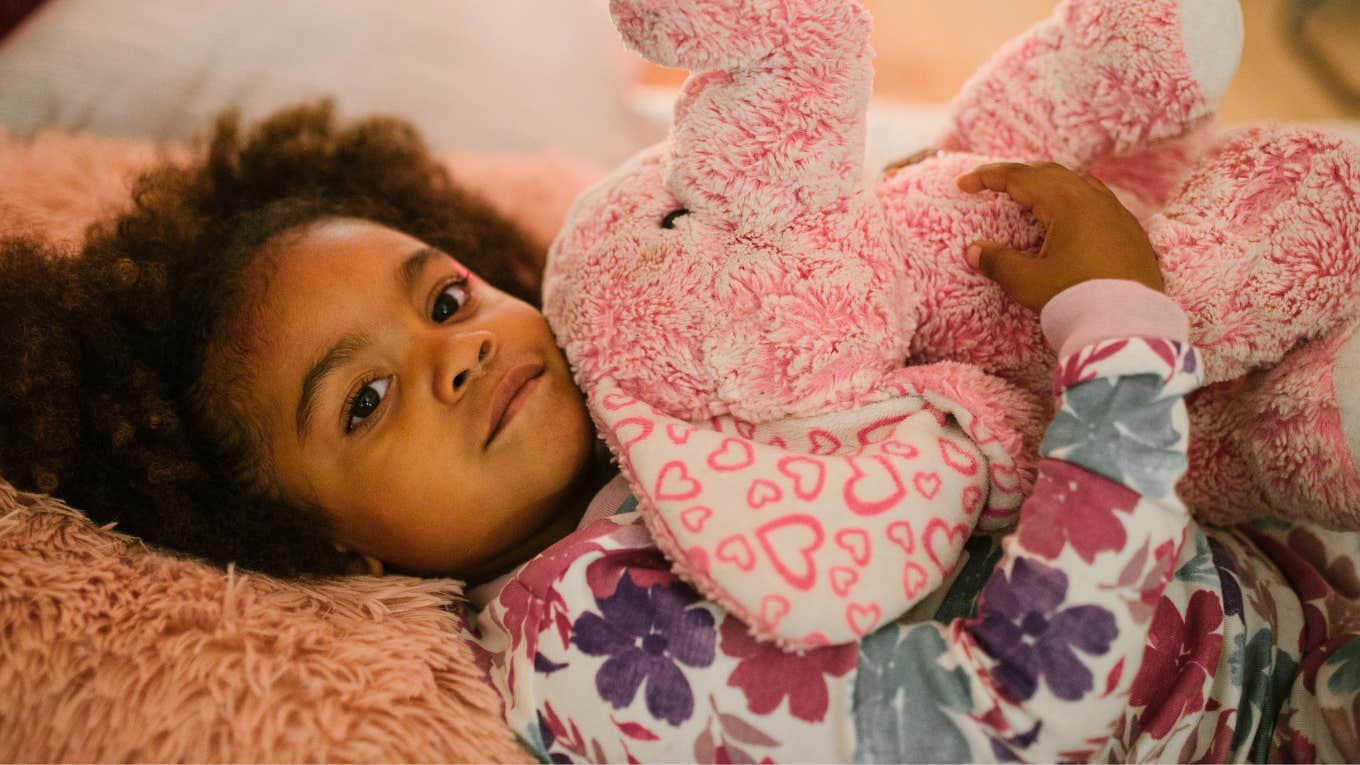 RDNE Stock project | Pexels
 While it can feel weird for adults to acknowledge that they didn't have a safe space emotionally growing up, they often still pick up adult behaviors that stem from having no one to go to for help when they were kids. .
1. They dismiss their own struggles
 PeopleImages | Shutterstock
Without a safe space to ask for help when they were having a hard time, kids from these households learned to suppress and avoid. As adults, they dismiss their struggles because they're so used to being fine that they don't know how to communicate their concerns.
At their most impressionable ages, they learned that needing help was bad in some way. Now, they've learned to be self-reliant, even though they may have people around who can help them carry their pain.
2. They often avoid leaning on other people for support
If asking for help at home didn't feel like an option, adults today may still lean on hyper-independence. Asking for help, despite being a healthy and necessary part of all of our lives, is a last resort for them. They're riddled with guilt and shame from their upbringing.
Now, they self-isolate when they're struggling. They dismiss their own needs and hustle harder at the expense of their well-being to figure things out, despite having people in their lives who are ready and willing to support them.
3. They rely on external comforts in order to self-soothe
While it's possible that kids who were afraid to seek help relied on healthy distractions to self-soothe, they usually missed opportunities to practice self-regulation and coping. As adults, these vices may still linger, allowing them to busy themselves when complicated emotions arise.
In our culture that wants us to avoid feeling and pushes us to rely on forms of comfort like spending and consuming, it's often easy for adults to continue in this cycle of avoidance. Rather than learning to process feelings as they arise, they avoid the discomfort of trying by constantly distracting themselves.
4. They're know to stay busy to avoid their own emotions
If busyness is their coping mechanism of choice, kids who grew up without anyone to rely on for help continue to put their well-being on the line.
They're trying to distract themselves from inner feelings and emotions. They overwork themselves in the office. They try to maintain an unsustainable social calendar. They always have some form of media playing at home to avoid the quiet.
They struggle to slow down and sit with a feeling, because when they should have learned it as a kid, they were too busy stressing out about adding another thing to their parents' plate.
5. They tend to read into other people's energy
 MAYA LAB | Shutterstock
When hard conversations and asking for help felt impossible at home, these kids adopted hypervigilance to protect themselves.
They learned to sense how their parents were feeling to guide their own behaviors and expressions. They read into one-off comments and scanned the room because they were anxious that whatever they said would create a bigger burden.
As adults, that same hypervigilance may still be around, urging them to absorb the energy of social environments and withhold certain things from interactions with loved ones.
6. They try their best to avoid any arguments
Avoidance may feel relieving in the moment, but in the long run, it only creates more stress and anxiety. It urges us to suppress what we're feeling. And as much as we'd like to believe it works, those emotions don't fizzle out just because we're distracted from them.
Kids who grew up unable to ask anyone for help still struggle with connection and communication in relationships. They're just so used to doing everything themselves. Asking for help was scary and sometimes met with more stress than it felt like it was worth, so they had to learn how to carry it without asking anyone else for support.
7. They might even self-isolate when things get tough
Stuffing down emotions and isolating when feelings became impossible to hide were common practices for these kids. Many weren't even intentional, but were driven by the anxiety that emotional neglect growing up often created.
Avoiding asking for help as kids directly feeds into their fear of being a burden as an adult. They usually don't want to bother anyone with their problems.
8. They carry too much personal guilt
It's really hard for kids to conceptualize missing out on something important when they value their parents or feel like they're happy. They often believe something's wrong with them, hence all the avoidant behaviors and self-isolating habits they adopt.
Even as adults, they know their parents did the best they could, but there's no avoiding the reality that something was missing emotionally. When they struggle to ask for help now, that same guilt tends to pop back up. It often ties back to that emotional neglect they struggle to admit was there in the first place.
9. They'll usually struggle to speak about emotions
 PeopleImages | Shutterstock
When asked how they feel as adults, many of these people still have a hard time answering. They didn't have this vulnerable space at home to be open about their emotions without fear or even some guilt.
Talking about their emotions can even bring up feelings of anxiety when someone's trying to support them. They've grown so attached to their own self-reliance that it feels protective, compared to the vulnerability they've taught themselves is weak.
Zayda Slabbekoorn is a senior editorial strategist with a bachelor's degree in social relations & policy and gender studies who focuses on psychology, relationships, self-help, and human interest stories.
