
Kids Whose Parents Have An Almost Uncontrollable Bad Temper Usually Carry 9 Habits Into Adulthood
 pics five | Shutterstock
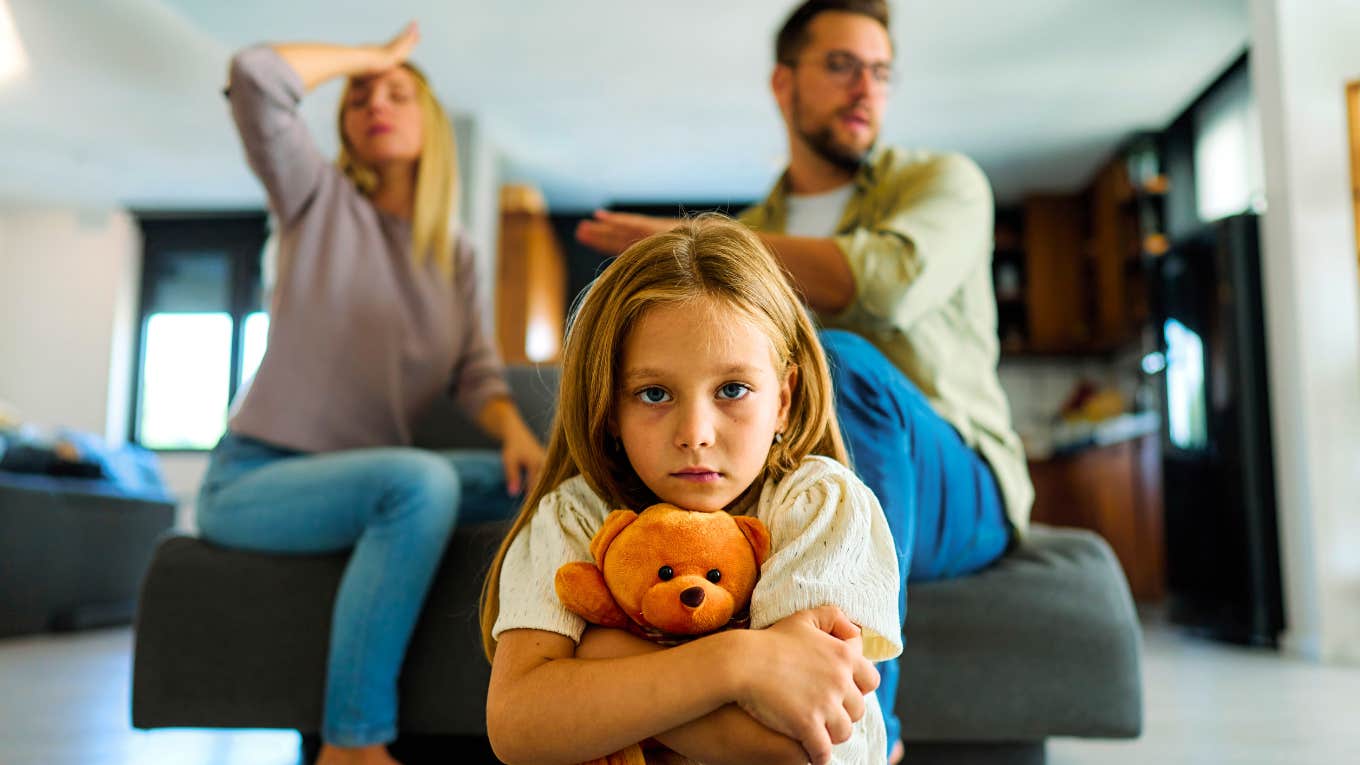
 Harsh parenting can have long-lasting consequences on children's emotional security and self-esteem.
When kids grow up in a home with constant yelling or just existing in a stressful and chaotic environment, they end up compensating for this turmoil as adults. Many of them carry unhealthy habits into adulthood, still dealing with the consequences of their parents' almost uncontrollably bad tempers.
Habits kids carry into adulthood when they're raised by parents with bad tempers
1. They cling to independence
 joeypistachio | Pexels
Hyper-independence is a common symptom of childhood trauma, especially for kids who didn't feel a sense of control growing up. Now, as adults, they cling to control. They keep mistakes to themselves and never ask for help, suffering in silence.
They're often worried about protecting themselves from being called out or punished, so they hide their true nature and avoid getting close with everyone.
2. They blame themselves for everything
Kids who were often blamed by their parents or punished for every passing emotion or mistake tend to take this into adulthood. Their self-esteem is lower without the emotional competence most kids learn from their parents, but they also learned early on that making mistakes was a bad thing.
As a result of their childhood trauma, they blame themselves for everything. Even when their mistakes are harmless opportunities to learn, they still hold onto the scapegoat identity. If it settles the room and protects them from getting into an argument, they'll immediately take on the blame.
3. They avoid conflict
When conflict and arguments are rooted in fear, avoidance comes naturally. For these kids with a low sense of self-worth and constant worrying, avoidance is the quickest way for them to suppress their fear, despite it sabotaging the benefits that come from resolving conflict.
They dismiss their own concerns. They get defensive when someone raises their voice. They backtrack and run from hard conversations. They've been socialized into putting their needs on the back burner and running from signs that someone is upset, instead of practicing healthy communication.
4. They get easily distracted
According to a 2023 study, kids raised in households with a lot of chaos or harsh parents are often more likely to develop ADHD. This kind of chronic stress during formative years damages their emotional regulation skills and makes discipline a lot harder to manage later in life.
Because they've grown into hypervigilance as a defense mechanism and feel obliged to read into how everyone around them is feeling, it's a whole lot harder for them to focus themselves or to be in touch with working through their feelings.
5. They avoid accountability
 Kindel Media | Pexels
Parents who give harsh punishments deprive their children of learning how their behavior affects others. Kids who were raised in this environment tend to be more aggressive and dysregulated later in life.
They never had a safe place to fix their behavior or address their mistakes. They were blamed for everything, skewing their discipline habits and moral compasses.
They can't learn how to regulate complicated emotions or even build healthy behaviors later in life because they were never taught how. They were just punished, usually without a clear explanation for what they did wrong.
6. They become harsh parents
While cyclical generational trauma doesn't happen in every family, a 2024 study suggests that people who grow up with harsh parents early in life are more likely to become harsh parents themselves.
Because of the trauma they experience, they often struggle with the same problems later on that predict misguided parenting styles. So, some adult children swing to the other side of the spectrum, becoming people-pleasers and overly sensitive to conflict. But some mirror their parents' actions.
7. They get upset easily
Without the lessons in emotional regulation or the safe places to learn from their mistakes, many kids with angry parents become emotionally dysregulated and insecure adults. They don't know how to deal with emotions like embarrassment and fear because they were forced to shove it down.
Their parents took up a lot of emotional space, so as adults, they get upset easily in the face of stress or minor inconveniences. They've suppressed a lot of emotions but also deem emotions bad by nature. They were punished for showing and expressing themselves, and now, they can't help but demonize them.
8. They seek out toxic partners
Adult children who grew up in homes with angry parents often seek out toxic relationship patterns. They find partners who mirror the family dynamics they're familiar with, and reaffirm their feelings of worthlessness that childhood trauma cemented in them.
Parenting influences and modeled behavior affect adults' romantic relationships, for better and for worse. For kids of parents who had bad tempers, that sometimes means creating a new cycle of conflict and anxious attachment all over again.
9. They worry constantly
 Alex Green | Pexels
Kids in these chaotic households spend a ton of time and emotional energy battling fear. They read into their parents' emotions and tried to protect the peace, but suppressed their own emotions out of fear that they'd be punished for expressing them.
These anxious spirals and behaviors became defense mechanisms. If they could predict a parental tantrum or argument, they could try to protect themselves. The same is true in their lives as adults, even if the people they're hypervigilant around aren't their parents.
Zayda Slabbekoorn is a senior editorial strategist with a bachelor's degree in social relations & policy and gender studies who focuses on psychology, relationships, self-help, and human interest stories.
