
Kids Raised In Homes With Zero Discipline Usually Carry 8 Habits Into Adulthood
 STUDIO GRAND WEB | Shutterstock
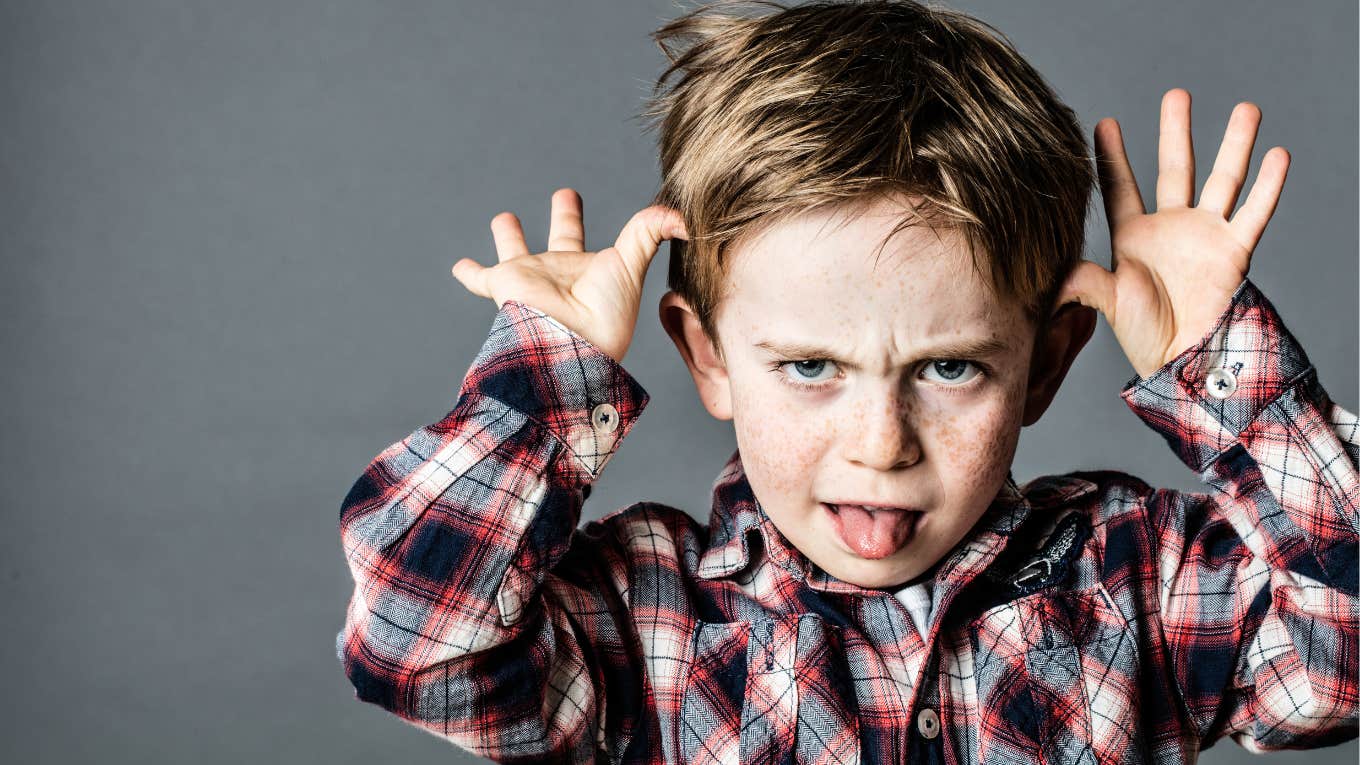
 Parents who choose not to discipline their kids, whether out of fear or because it's not a very pleasant task, open the door to bad habits that could follow them as they become adults.
Whether it’s permissive parents who take a hands-off approach or immature parents who expect their kids to raise themselves, the effects of a lack of discipline at home linger long after childhood. Kids raised in homes with zero discipline may lack basic impulse control and carry a sense of entitlement that won't serve them later in life.
Habits kids raised without discipline bring with them when they become adults:
1. They expect constant access
 Miljan Zivkovic | Shutterstock.com
Kids without any rules or discipline at home don’t grow into adults who can cope when they don't get what they want. In fact, they’ve learned that they have access to whatever they want without consequence, and that they can do whatever they want without being called out.
Consistent discipline teaches kids to self-regulate and shift their behavior. However, a complete lack of structure leaves kids easily reactive and with a sense of entitlement that can't be explained away.
2. They try to get others to ignore their boundaries
Boundaries aren’t meant to police other people’s behavior, but they do give people a chance to show up differently in relationships out of respect and intentionality. Kids who learn to respect boundaries and shift their behaviors over time often had discipline at home.
However, those who didn’t learn that negotiating is easier and more accessible than inconveniencing themselves with hard conversations or not getting what they want from the people around them.
3. They are lazy
Without structure, kids never learn to work hard toward a goal. As adults, they lean toward lazy behavior and struggle with motivation. They prefer to do nothing because they didn’t have to take ownership or accountability for much as children.
Now, getting out of their comfort zone and holding themselves accountable without anyone looking over their shoulders can feel impossible.
4. They procrastinate
According to a 2023 study, the more self-discipline someone develops, the less they procrastinate. However, learning how to hold themselves accountable often comes from parental consistency and structure at home growing up.
That’s why kids of parents who let them do pretty much whatever they wanted are less disciplined and self-controlled now. They’re used to having someone else do the hard stuff, so they’re always going to push off things that require real effort and time.
5. They self-abandon
 PeopleImages | Shutterstock.com
While harsh and unnecessary discipline can sabotage a child’s well-being and mental health, when there’s a healthy balance of feedback and being held accountable, kids thrive. They learn the self-control and discipline they need to live good lives later on, whether that’s holding themselves responsible or evolving as people.
However, without the structure of accountability, kids raised without discipline end up self-abandoning themselves daily. Whether it’s procrastinating on big tasks or overlooking opportunities to grow, they miss many essential milestones. It can even lead to a failure-to-launch scenario where they never truly become independent and self-sufficient.
6. They get defensive around feedback
Discipline gives kids a chance to practice taking in and learning from feedback. Even if it’s constructive criticism for changing their behavior, they learn to grow in the face of discomfort, as is an incredibly important skill for every adult.
However, kids without any feedback or corrective teachings at home learn to protect their ego instead of trying to learn and grow. They’re generally uncomfortable with authority and feedback because it feels more like a personal attack than anything else.
7. They wait for someone else to save the day
Beyond procrastinating on personal tasks, many people who grew up without discipline need consistent reminders and pressure to take responsibility. Whether it’s at work or at home, they’re always waiting on someone else to direct their lives, because they’re used to not having to put in much effort.
Their parents swooped in to save the day and never really held them accountable. As adults, they don't know how to handle even minor problems because they lack self-confidence.
8. They suppress and run from hard feelings
 Rawpixel.com | Shutterstock
Many kids learn how to deal with challenges and complicated emotions through structure from their parents. Whether it’s being sent to their room or forced into time-outs, they learn to feel their emotions while also building impulse control.
However, when kids can have outbursts and misbehave without correction, they never truly practice healthy self-regulation. Instead, they say everything and sometimes run from hard feelings, because they don’t know how to communicate them in healthy ways.
Zayda Slabbekoorn is a senior editorial strategist with a bachelor’s degree in social relations & policy and gender studies who focuses on psychology, relationships, self-help, and human interest stories.
