
Kids Raised By Parents Who Constantly Compared Them To Other Kids Usually Carry 6 Habits Into Adulthood
 fast-stock | Shutterstock
The things we experience as kids tend to stick with us into adulthood.
In particular, the way parents interact with their children can have lasting effects on their self-esteem, especially if they don't offer emotional support. Unfortunately, for children who had parents that compared them, they carry bad habits with them through life.
Habits kids carry into adulthood when their parents compare them to others
1. They have perfectionist tendencies that burn them out
 Srdjan Randjelovic | Shutterstock
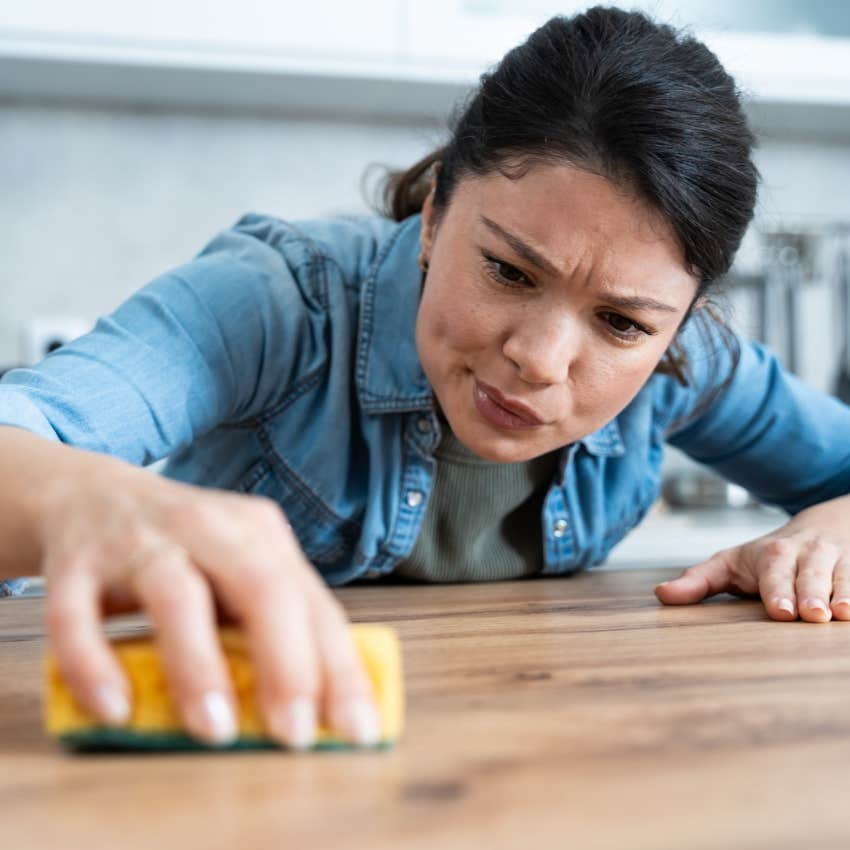
Children who develop perfectionistic tendencies spend a lot of time comparing themselves to their peers. Because they grew up believing they weren't good enough, they're trying to compensate as adults.
When you grow up with parents who are highlighting your differences to others, you start to believe that being good isn't enough. You have to be better. You have to be perfect. Over time, that pressure builds and becomes a habit that's hard to break.
"Rooted in fear of failure or abandonment, perfectionism becomes a way to avoid criticism, rejection, or further trauma by striving for flawlessness in every aspect of life," psychotherapist Kaytee Gillis warns. It gives people a way to control their lives, or at least feel like they're in control.
But as Gillis adds, "This relentless pursuit of perfection can lead to high levels of stress, anxiety, and self-criticism, ultimately hindering emotional well-being and preventing individuals from experiencing genuine satisfaction or fulfillment."
2. They compete with their friends and partners
We've likely all had a friend that felt the need to compete with us over every little thing, no matter how small. But according to counselor Stephanie Sarkis, multiple factors influence competitiveness.
And while there is such a thing as healthy competitiveness, it can also turn toxic. "Unhealthy competitiveness can be driven by a need to outperform others at all costs... [It] can result from insecurities, fear of failure, or a desire for external validation. This type of competitiveness can be harmful to ourselves and others," she says.
So, when you grow up with parents who compare you to everyone, you're taught that in order to be in their good graces, you have to be the best. Unfortunately, that mindset can carry into adulthood, and affect even your closest friendships and relationships.
3. They constantly feel like they're not good enough
People who feel this way as adults likely also had this idea reinforced in childhood. One study published in Frontiers in Psychology determined that when siblings are compared unfavorably to each other, it negatively affects how they evaluate themselves, especially when their self-worth depends on parental approval.
If kids are being told they aren't as smart or talented or kind as their siblings, those words stick. Eventually, they might start measuring their own worth by how they stack up against everyone else.
For them, rather than recognizing their own accomplishments, they have to hold themselves against others. And then they wonder why they aren't doing as well as them.
4. They're extremely sensitive to criticism
Growing up with parents who make everything a competition can often make kids sensitive to anything critical. As adults, if they're offered feedback in the workplace or even by their partner, they have a hard time receiving it.
Their parents likely criticized them for every little thing they did. According to educator Angela Solic, this can look like "constant fault-finding, unrealistically high expectations... labeling their children (lazy, dramatic, difficult, ungrateful), and focusing on mistakes and overlooking successes and efforts to please the parent."
It makes kids feel not good enough. Because rather than parents offering feedback in an encouraging way, they're simply judging them.
5. They seek reassurance and validation from anyone they can
 Odua Images | Shutterstock
Constant comparisons leave children questioning their abilities and self-worth, and that follows them into adulthood, manifesting as a need for validation. It might mean repeatedly asking their partners if they're upset or needing a boss to confirm they're doing a good job.
They know deep down that they're highly capable, but hearing it from someone else makes them feel a little more secure. Even if their parents meant to motivate them by offering comparisons, they aren't doing them any favors. It really just leads to people-pleasing behaviors.
"When a child is repeatedly given approval, they build up their sense of value... they don't need outside approval because they can often validate and approve themselves. Some children may face challenging experiences that may result in low self-esteem or insecurity. As adults, they might find it hard to validate themselves," licensed social worker Joslyn Jelinek says.
6. They distance themselves from their parents
You might love your parents, but that doesn't mean you enjoy being around them. That's especially true if they made you feel like you were always falling short as a child, and compared you to your peers.
As an adult, you might start to resent them. After all, their negative words and constantly pointing out your shortcomings did a number on your self-esteem. You could never meet their expectations, so why bother keeping in touch when they made you feel so low?
Even when kids become adults, their childhood experiences make it difficult to feel comfortable being themselves around the people who raised them. They feel like they have to pretend.
But in the end, it's a self-protective measure some people take. They no longer have to worry about the constant comparison. Instead, they can just be.
Julia McNulty is a writer with a Master's degree in Literary & Cultural Studies who specializes in lifestyle, relationship, culture, and human interest topics.
