
Gen Z, Millennials, Gen X & Boomers Have Completely Different Ideas Of What Makes A Good Dad
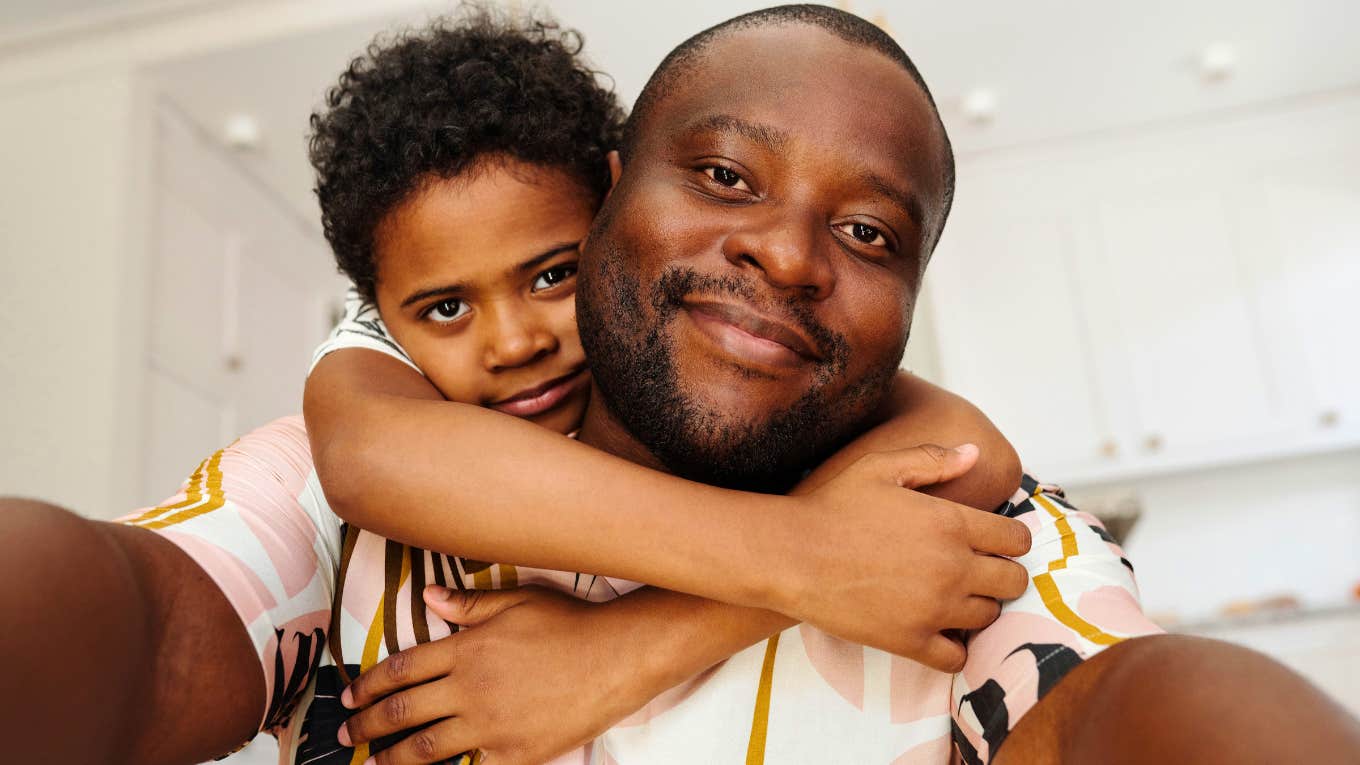 Vanessa Loring | Pexels
 Parenting styles are changing drastically with every new generation starting families. But despite being completely different in many ways, they're also interconnected.
Our own parents and their choices in raising us affect our relationships later in life, even the ones we share with our own kids. Between Gen Z, millennials, Gen X, and baby boomers, their idea of what makes a good dad varies, but they're all influenced by one another.
What being a good dad really means, according to different generations
Being a protector and a provider are true measures of fatherhood to boomers
With traditional ideas about gender roles and masculinity still ingrained into their lifestyles and beliefs, baby boomer parents tend to perceive good fathers as men who can provide and protect their children and family.
Their ideas of being a good father stem from their incredibly strong family values, and having a man at home willing to protect their kids and partner.
 PLotulitStocker | Shutterstock
Even though this old-school norm tends to lack the emotional expressiveness and vulnerability of modern-day masculinity, these men were the rocks of the family.
Nothing got to them emotionally, at least that they were expected to show. They put food on the table, no matter what barriers stood in their way. They protected the traditional roles of the household without complaint.
Gen X believes good dads are present and nurturing
Having grown up feeling somewhat unseen and navigating daily life mostly alone, it's no surprise that Gen X takes a much more hands-on approach in their kids' lives.
Sometimes, that even becomes overprotective or overbearing. They compensate for growing up with working parents who were rarely present, physically or emotionally.
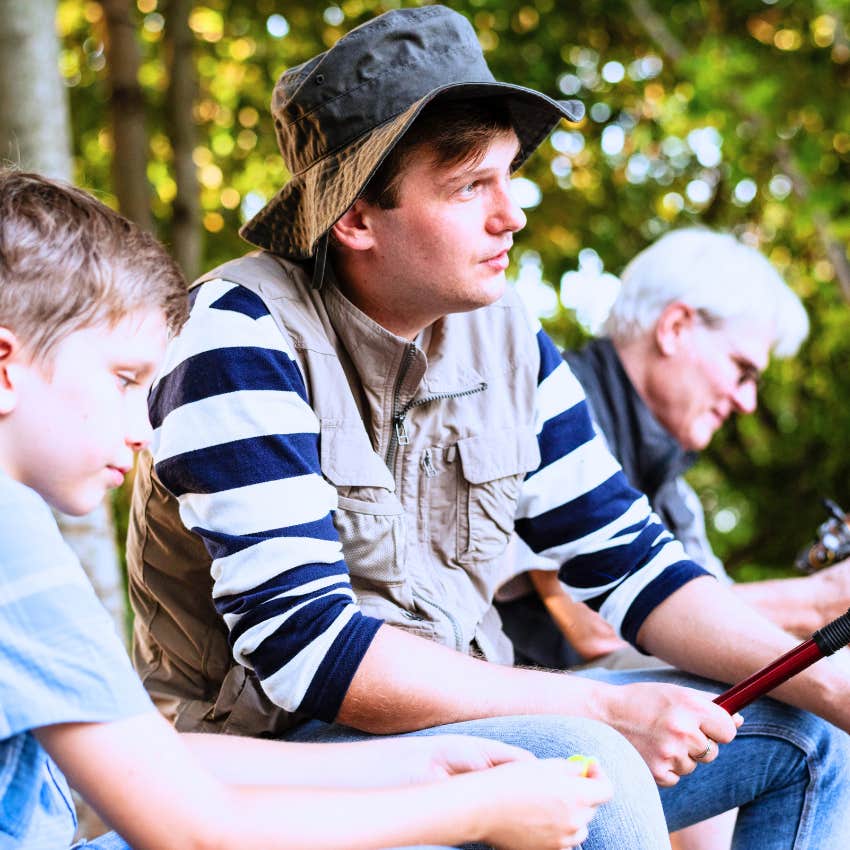 Rawpixel.com | Shutterstock
They actively shifted masculine norms, expecting fathers to be more emotionally intelligent and to play a much more nurturing role with their kids than their own fathers did.
Gen X play a more active role in household labor and childcare, even if it's not to the extent that their Gen Z and millennial counterparts expect from them.
Millennials see fatherhood as an all-encompassing role
Millennial dads define parenthood as a part of their identity. They're also more likely to define their parenting style, compared to older generations.
Whether that's being a gentle parent or taking a less progressive approach, their identity as a father is a huge part of who they are as people.
 fizkes | Shutterstock
They value conversations about mental health and better examples of emotional intelligence in the men at home than their own parents did.
Most millennial dads are also intentional about prioritizing their children over their careers, even if that sometimes leads to more burnout and personal disconnection over time.
Gen Z believes good dads blend authority with warmth
Many Gen Zers are actively doing exactly the opposite of what their parents did. They're bringing a mix of a lot of different parenting styles into their families.
They value fathers who are emotionally intelligent and warm, but are also intentionally adding a combination of clear rules and strictness, with notes of authoritarian parenting into their households.
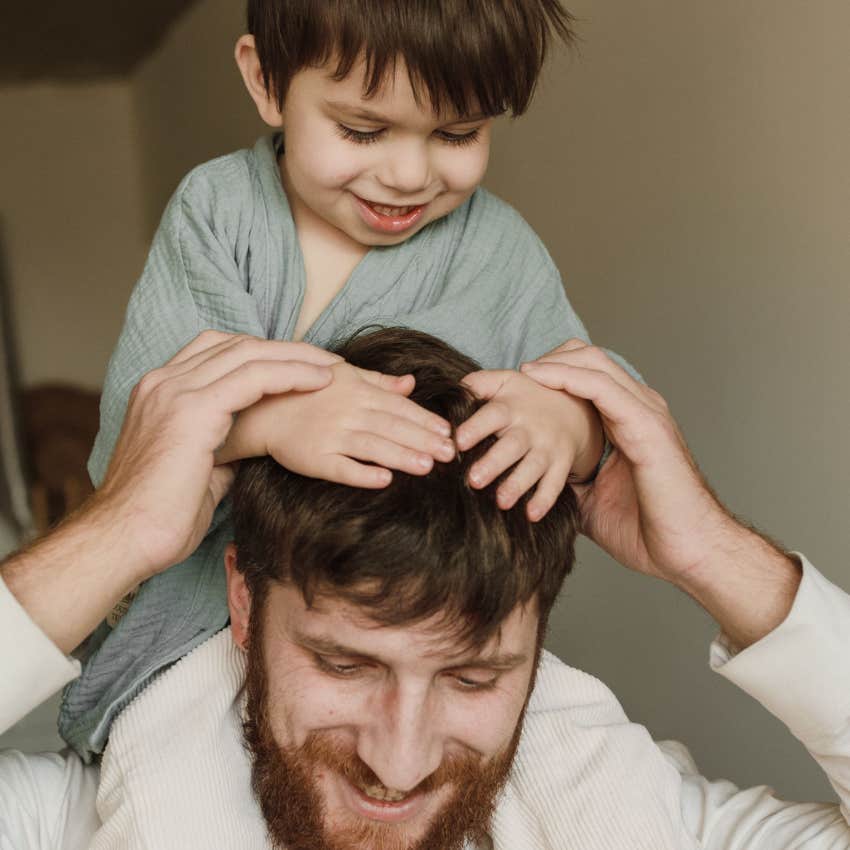 Arina Krasnikova | Pexels
They want their kids to have more room to make mistakes, without worrying about being punished by their dads at home.
They want more independence for their own kids than they had, and certainly less discipline from fathers whom kids need to learn emotional regulation skills from.
Zayda Slabbekoorn is a senior editorial strategist with a bachelor's degree in social relations & policy and gender studies who focuses on psychology, relationships, self-help, and human interest stories.
