
Kids With Zero Gratitude Often Say 10 Embarrassing Phrases In Public
 Meryl Cusinato | Pexels
 Parents do their best to raise good-hearted kids, wanting them to grow into well-mannered adults. Even if their life isn't perfect, the way kids act in public says a lot about how they were raised.
It's normal for kids to throw tantrums, but doing it every time they don't get their way isn't okay. When kids lack gratitude for the things they have, they say embarrassing things in public, causing their parents to feel concerned. Kids may have frustrations, but learning to express those emotions in a healthy way will come in handy once they become adults.
When kids have no gratitude, they say these embarrassing phrases in public
1. 'It's not fair'
 Nomad_Soul | Shutterstock
It sucks when life doesn't turn out the way we expected. While parents can prepare their kids for disappointment, dealing with it is an entirely different story. It's okay for parents to give their children grace, but eventually, tantrums become less age-appropriate.
According to the American Academy of Child & Adolescent Psychiatry, tantrums become less common between ages 6 and 13. As they explained, "Temper tantrums are much less common in this age group when compared to younger children, and recurrent or severe tantrums are a reason to seek help."
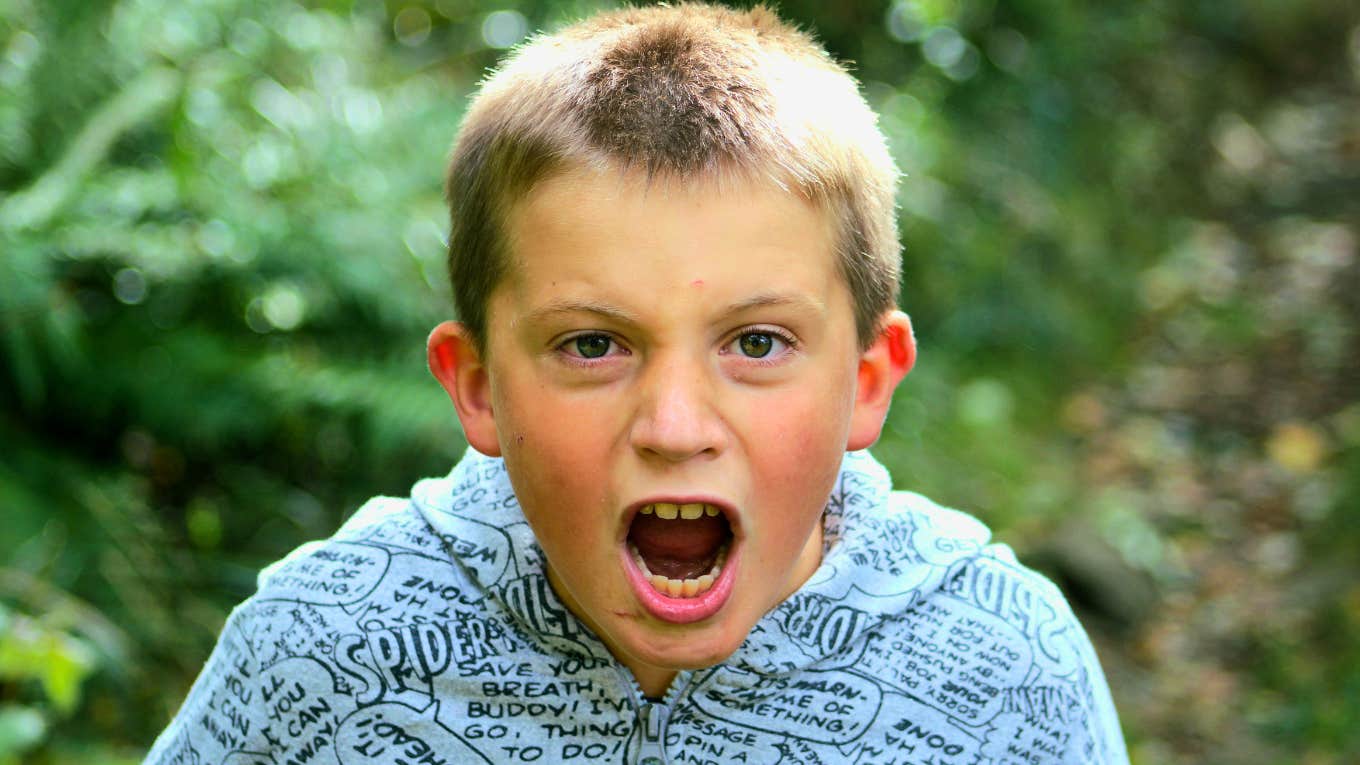
If a child is of age and still throwing a fit when they don't get their way, they may claim "it's not fair" while out in public. It's essential for their parents to teach them how to handle not getting their way, though.
2. 'That's all?'
 kukurund | Shutterstock
Once a kid is accustomed to being spoiled, it's hard to change that. Human beings are creatures of habit. Like clockwork, if you try to steer them in a direction they aren't used to, they'll throw a fit.
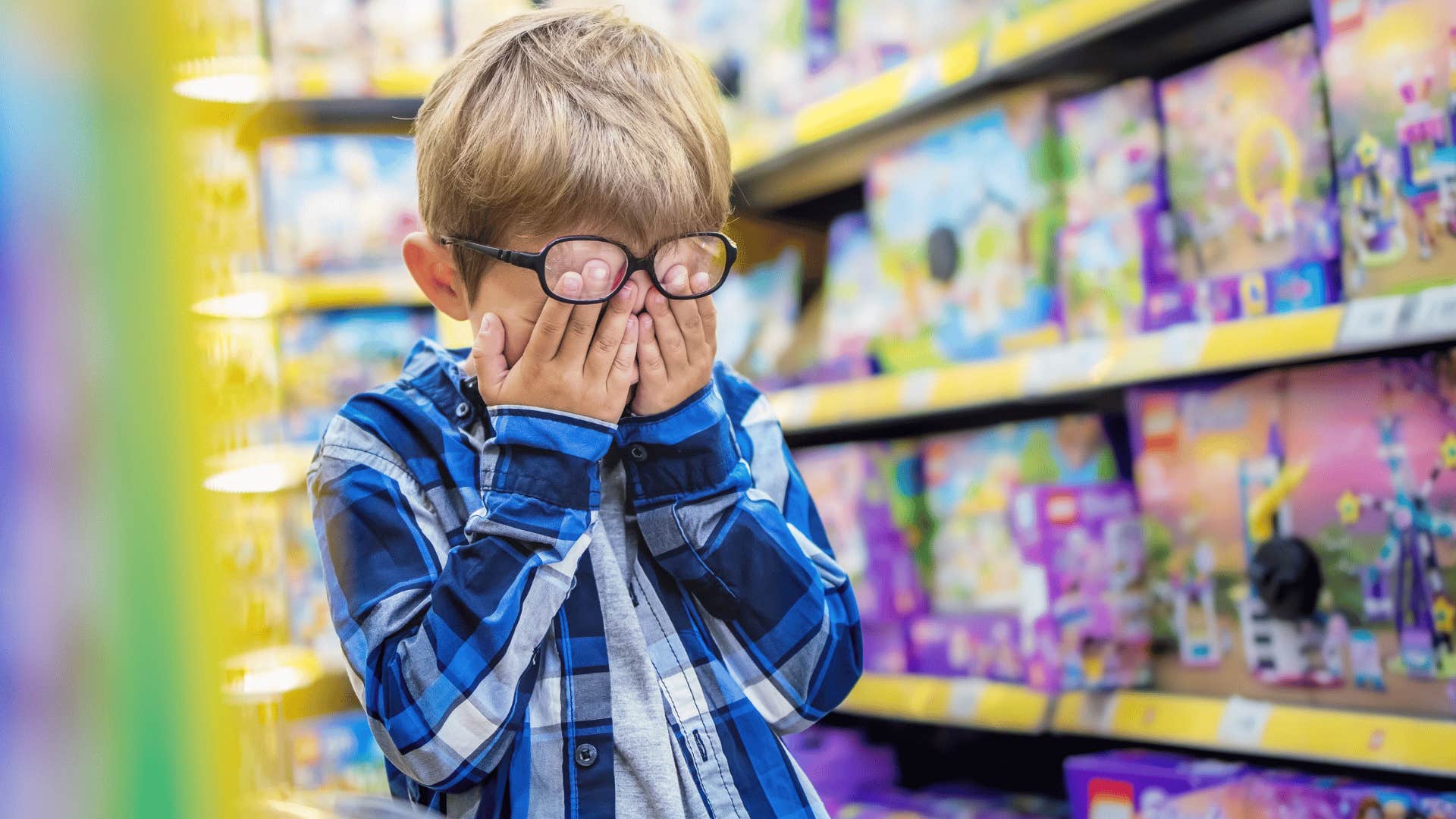
Whether it's being treated to a toy at the store or opening gifts on holidays, when a kid says "That's it?" they're not showing gratitude. And they know they can get away with it. Rather than being happy with what they were given, they demand more.
Child psychologist Lauren Silvers says this could be a sign of overindulgent parenting. "There are lots of negative outcomes associated with overindulgence, anything from over-dependence on others and being unable to learn necessary life lessons," she pointed out.
But by stopping this behavior and learning to say no, parents can positively affect their children for the future. They can teach the importance of gratitude in gentle ways.
3. 'I wanted something else'
 DC Studio | Shutterstock
Just as adults feel sad when their husband forgets something important, children experience disappointment too. But there's a time and place for everything. While it's okay to express your preference in the privacy of your own home, declaring it for everyone in public to hear is embarrassing.
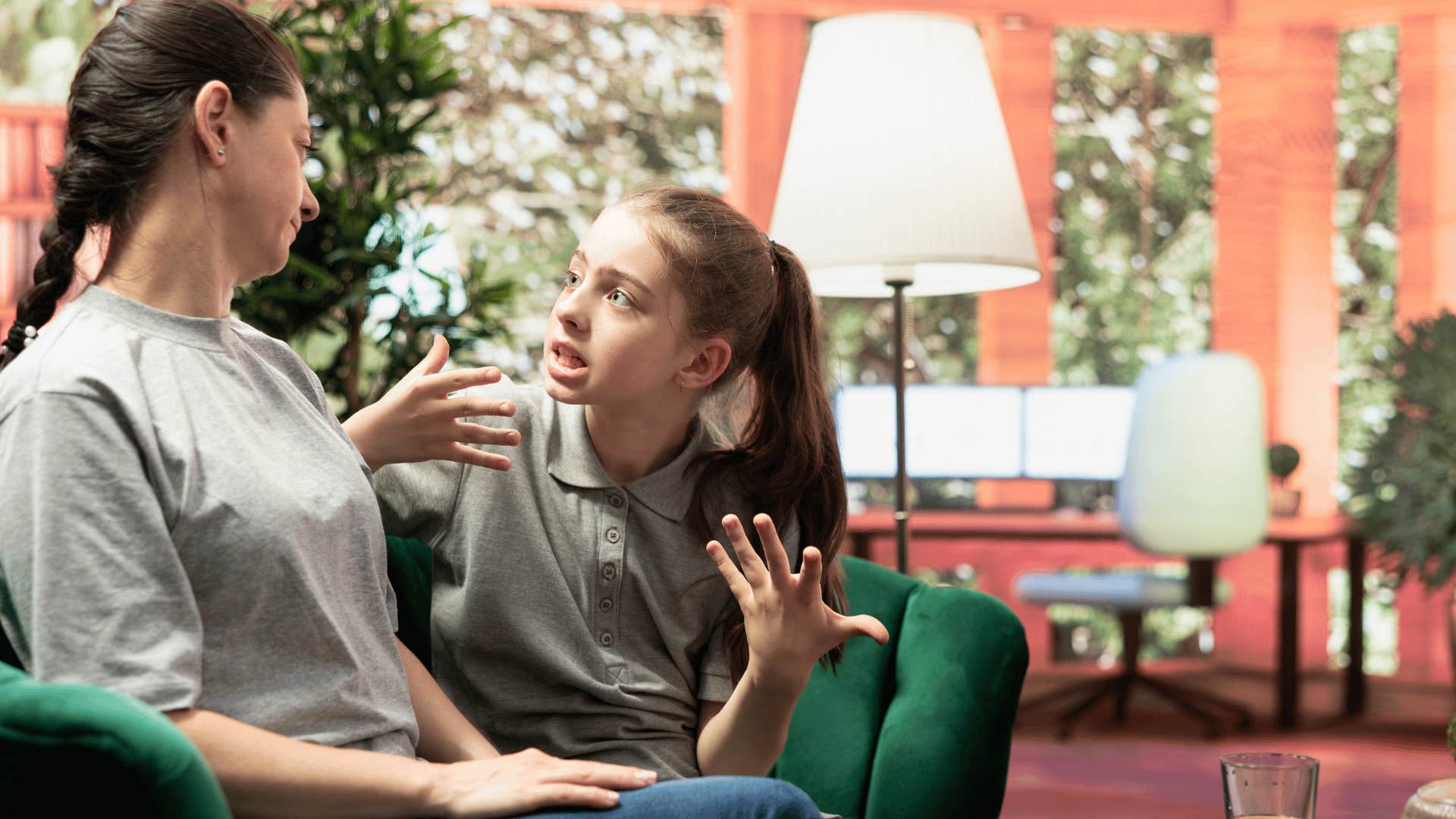
Parents must teach their kids how to act in public. Unless it's an emergency or an urgent need, tense conversations should be handled in private. While it's good to take care of your child's needs, it's equally important to be respectful of the environment around you.
It's better to remove kids from the area and take that conversation to the car. As developmental psychologist Celina Benavides said, "A little privacy can help your child by reducing stimulation, and shelter you, the parent, from the watchful eyes of others."
4. 'I want it now'
 Inside Creative House | Shutterstock
Some kids are naturally impatient. It doesn't matter how much their parents stress the importance of waiting, they just become frustrated when they aren't getting what they want, when they want it.
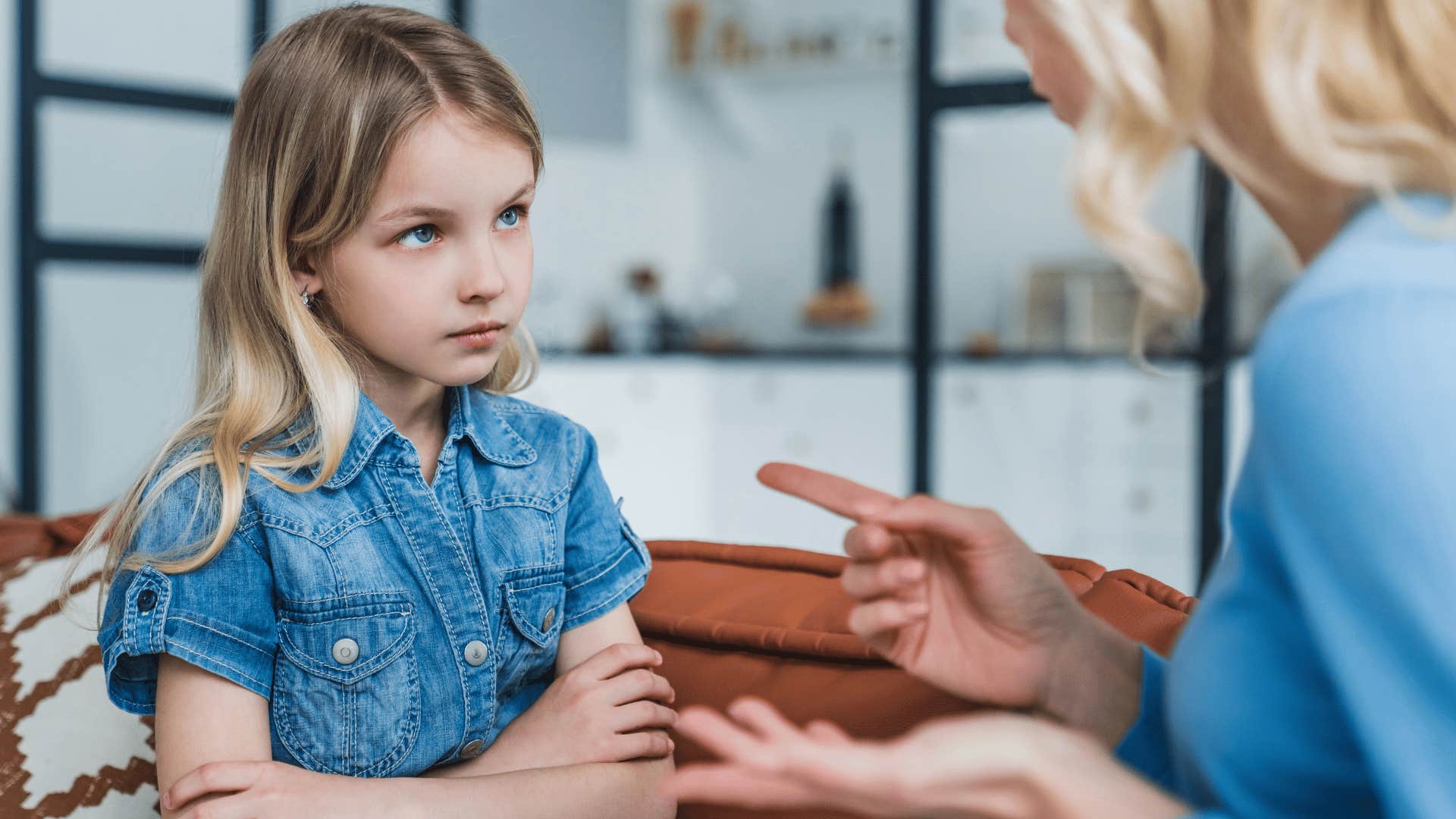
Not everything you think needs to be said out loud. While kids don't necessarily have that skill when they're young, they must learn to keep rude comments to themselves. When kids use this embarrassing phrase, it's very disrespectful, and not nipping it in the bud can teach them it's okay to act this way.
5. 'I don't like it'
 Chinnapong | Shutterstock
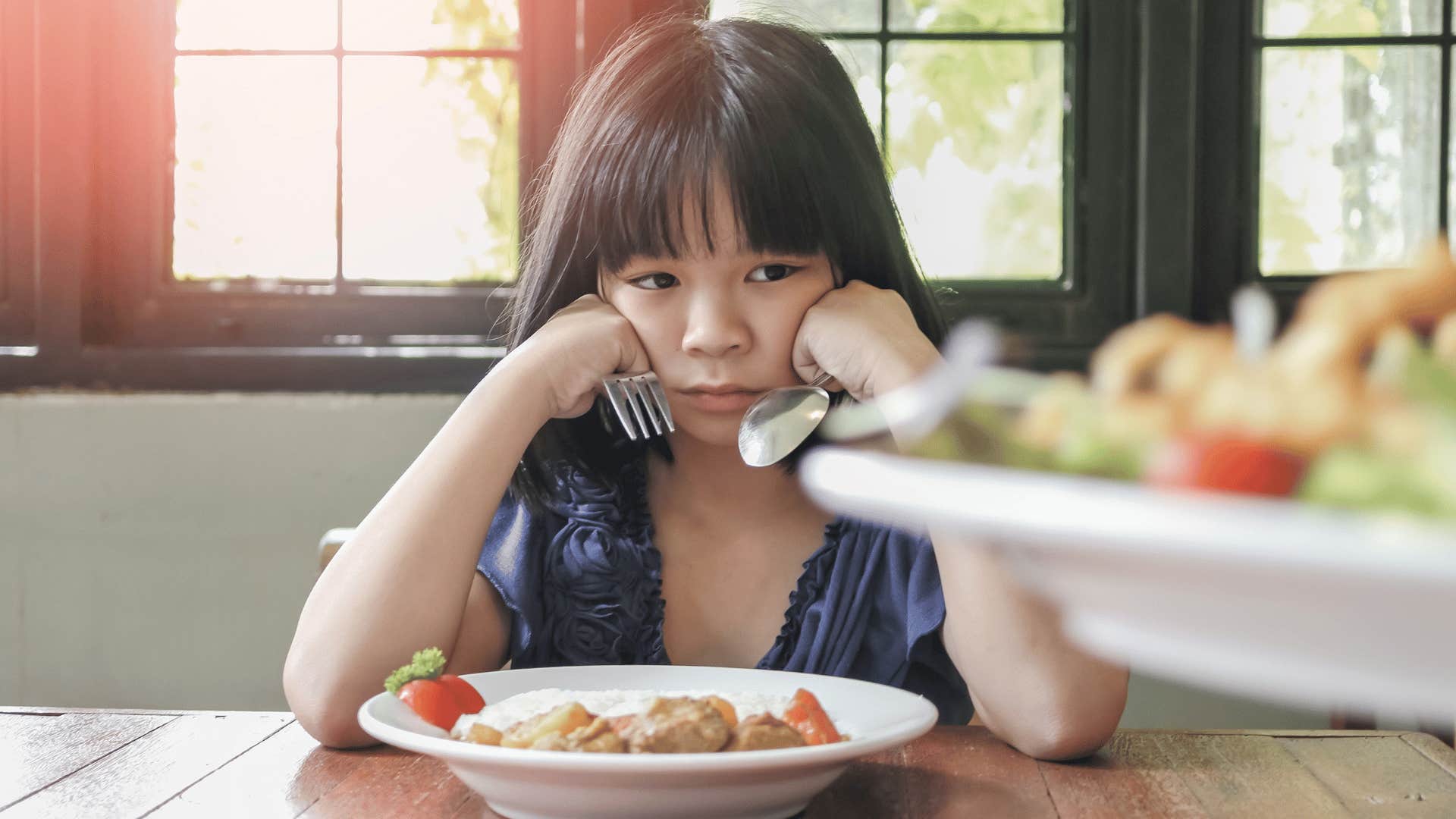
Old-school parents remember the unspoken rule of keeping their opinions to themselves if they had nothing nice to say. If they ate at a restaurant or at someone's house and didn't like the food, they were taught to control themselves for the sake of being polite.
While it's good for kids to express how they feel, there's a time and place for everything. If someone goes out of their way to cook or give your child a gift, responding with "I don't like it" isn't okay. It isn't just ungrateful, it's a sign of bad manners.
6. 'Give me one too'
 Brian A Jackson | Shutterstock
Jealousy is a normal human emotion. And while jealousy itself isn't harmful, how we respond shows what type of person we are. So, when a child demands "give me one, too" while in public, it's embarrassing for everyone.
While it's okay to ask on the car ride home, putting parents on the spot can feel frustrating. And if parents don't have the money to afford something but their kid still demands it, navigating that conversation can be difficult. So, it's important to teach kids never to be insistent about things like this.
7. 'It's your job'
 AstroStar | Shutterstock
Yes, it's your job as a parent to provide a roof over their head and clothe your kids. Even if you don't feel like getting up to work in the morning, paying your bills to keep your child safe is just the basics. But when a child isn't grateful for all they have, even if it's just the bare necessities, they may say "it's your job" to demean their own parents.
The Child Mind Institute explained, "When children have frequent emotional outbursts, it can be a sign that they haven’t yet developed the skills they need to cope with feelings like frustration, anxiety, and anger." Of course, this takes time, but parents should teach their kids from a young age to be respectful of everyone.
8. 'Grandma will buy it for me'
 FaceStock | Shutterstock
Parents can do everything right. They can read all the books and be as proactive as humanly possible. But if their child is around a permissive grandparent, teaching them proper manners becomes more difficult. When their grandparents spoil them rotten, it can be a point of contention.
If an ungrateful child doesn't get their way, they'll shrug you off and say "grandma will buy it for me" instead. It might feel like a slap to the face, but it's important to take a breather. This isn't unmanageable. As long as both parents are on the same page, creating proper boundaries for grandparents doesn't need to be a nightmare.
9. 'I deserve it'
 Miljan Zivkovic | Shutterstock
There's nothing wrong with asking for things. If your kid is a hard worker and does what they're told, asking for a toy on the car ride home isn't a crime. But there's a big difference between asking and saying "I deserve it," especially when in public.
While well-mannered kids know how to ask nicely, ungrateful kids think they're entitled to it. So, it's important to check your kids. Even if it's hard, entitled behavior left unchecked only gets worse over time.
As licensed psychologist Seth J. Gillihan, said, "When an overly entitled person's unrealistic expectations aren't met, the resulting disappointment often leads to anger and resentment." This, in turn, can impact their future relationships and how they carry themselves, in general.
10. 'So what?'
 New Africa | Shutterstock
As much as they try to live up to their parents' expectations, kids are going to fall short and make mistakes. And while parents need to offer their child grace, once disrespect and ungratefulness become the norm, it's up to parents to put their children back in line.
When kids say "So what?" after being told what to do, it can be incredibly frustrating. They know what's expected of them and likely know it's rude to say that. Words have power, and they can absolutely hurt.
While some parents may tolerate their child's ungrateful attitude, their future partner or co-worker might not be so gracious. When parents teach their kids to be grateful, it not only improves their well-being, but it also helps them become resilient.
Marielisa Reyes is a writer with a bachelor's degree in psychology who covers self-help, relationships, career, family, and astrology topics.
