
The Wildly Unexpected Thing Caterpillars Do When You Raise Your Voice
Even the softest creatures do something bizarre when humans get loud.
 A3pfamily | shutterstock.com
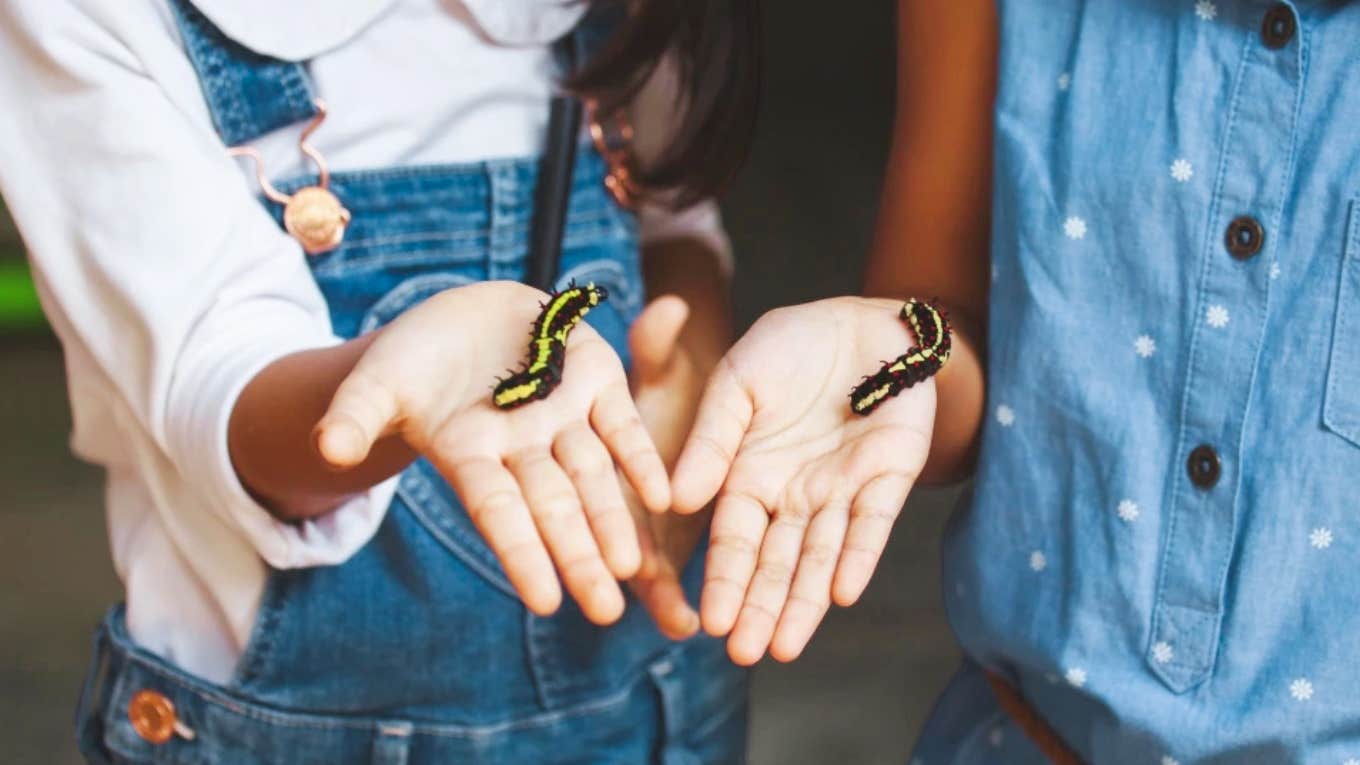
 It's understandable for people to be looking for certain things to explore outside in nature. Especially if you have children, a good way to keep them entertained and teach them about the natural world around us is to take them outside and explore. When you have the time, you might as well use the chance to teach your kids something and get them away from being in front of the screens for a little while.
Nature is an amazing thing, and it's interesting to see the coping mechanisms used for protection from predators and parasites. It's survival of the fittest, and caterpillars, like every other species, evolve to survive. So, caterpillars do this head-bobbing technique when they hear specific frequencies.
The wildly unexpected thing caterpillars do when you raise your voice
According to a video out of Canada, when you yell at caterpillars, they react in a very strange way. John Farley is a resident in Ontario, Canada, and he had a lot of tent caterpillars on his doorstep to his home.
Farley saw some videos online that showcased caterpillars reacting to a human scream. So, when he noticed them on his doorstep, he decided to try a scientific experiment to see if caterpillars actually reacted that way when someone screams.
Caterpillars shake back and forth when you scream
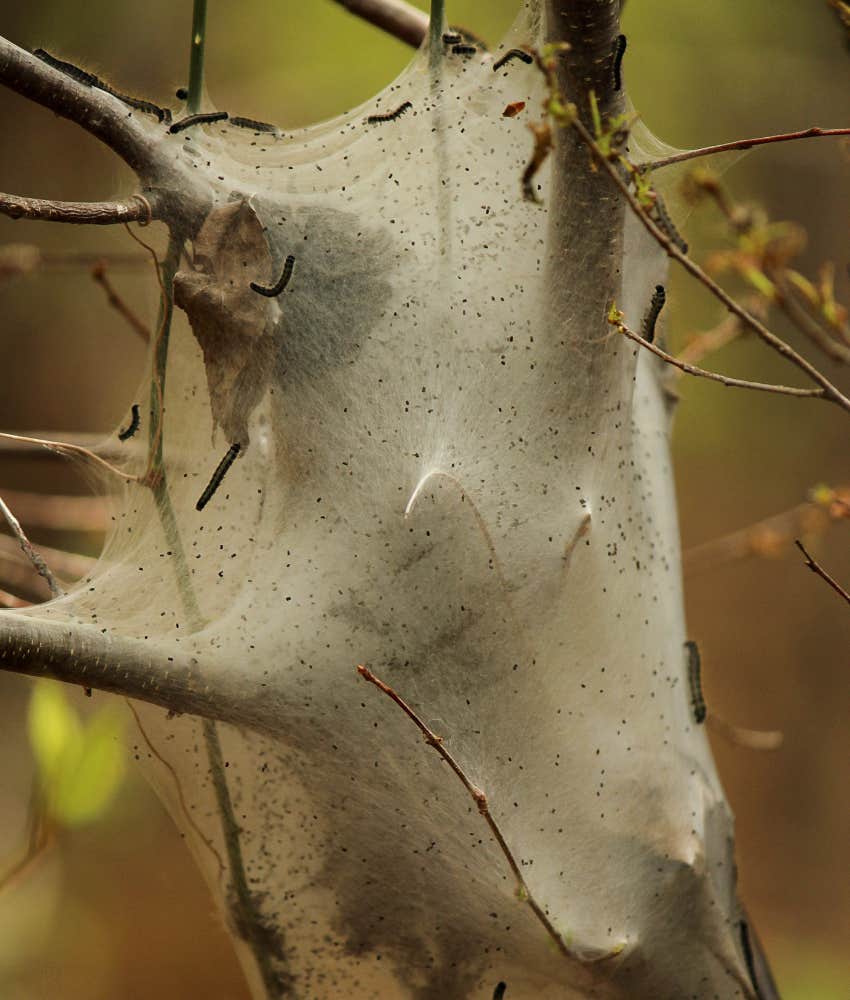 Image by JamesDeMers from Pixabay
Farley found that when accosted by yells, the caterpillars would shake back and forth. The Canadian Journal of Zoology affirms this strange reaction.
They write, "Western tent caterpillars respond to sounds of 300–2100 Hz by head flicking. The sound frequencies to which they are most sensitive match the flight sound of a fly parasite that lays eggs on the heads of caterpillars. Caterpillars on tents are more likely to head flick when stimulated by sound and have lower parasitization levels than fifth-instar caterpillars, which have left the tent."
The response is a defense
As a defense mechanism, they try to protect themselves even if it's a human making the noise because they cannot differentiate between the sounds of non-threatening human screams and threatening sounds made by flies flying. So, a scream triggers their automatic defense response.
Research on the sensory ecology of caterpillars showed, "As both feeders and food, they shape the dynamics of enumerate ecosystems on land. Key to this prominent role in nature is the sensory systems that inform, guide, and trigger their behaviour." Farley found out exactly what he wanted to know. Caterpillars do not like being screamed at. The caterpillars flail around and act in distress in the video.
Caterpillars protect themselves against parasites
Apparently, when the fly eggs that are deposited on the head of the caterpillar hatch, the maggots burrow into the caterpillar's body and feed off of it like a parasite and eventually kill the caterpillar. This chaotic action is the caterpillar's natural defense mechanism that could save their life from being overtaken by a parasite.
"Though many caterpillars respond to sounds in the 200-500Hz range, others do not," further explained the study of tent caterpillar head flicking. "Cinnabar moth larvae, which head flick in response to touch and loud sounds, showed no response to the frequencies that stimulated tent caterpillars. Therefore, although sound responsiveness is a general characteristic of caterpillars, the details of the response vary from species to species. This variation is likely a result of different selection pressures related to the types of predators and parasites that normally attack the species."
So, if you were interested, this is why caterpillars react to certain sounds in a distressing way. Interesting right? And I promise, no caterpillars were harmed in the making of these videos.
Emily Francos is a writer and book editor for The Urban Writers. She received a Bachelor of Arts in English Literature and French. Her work has been featured on YourTango, Unwritten, and MSN, where she's written about pop culture, relationships, astrology, and trending entertainment and news.
