
7 Everyday Things Good Pet Owners Do That Dogs & Cats Never Forget
 Anastasiya Tsiasemnikava | Shutterstock
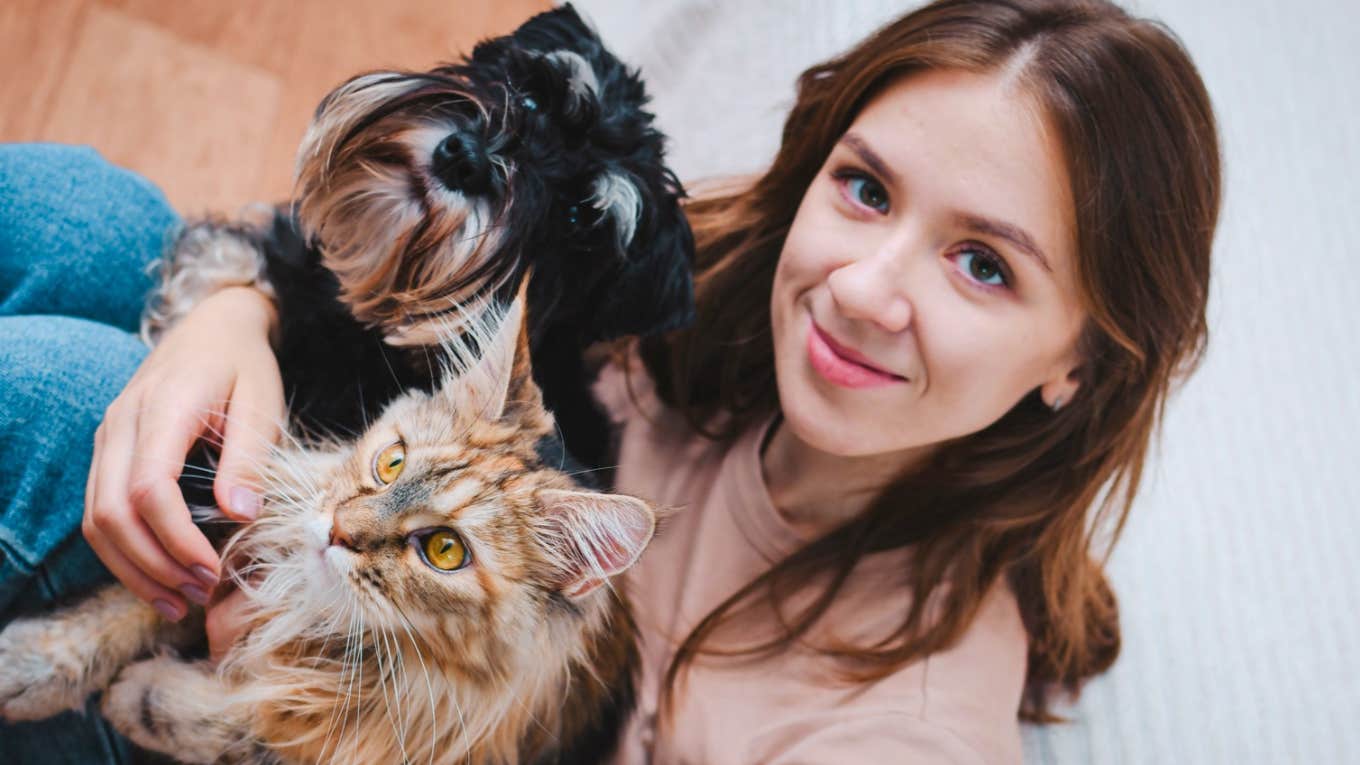
Our pets make great companions, but they also improve our lives in so many ways, including boosting our brain health.
But what about how we show up for them? Good pet owners do everyday things that their pets never forget. Morning routines and the sound of their keys in the door might feel small, but to our pets, they define their entire lives.
Dogs and cats never forget 7 sweet things good pet parents do:
1. Sharing a bedtime routine
 AYO Production | Shutterstock
According to a study from Current Biology, many dogs have episodic-like memory, where they can recall past events and essentially travel back in time to remember details. They're self-aware to some extent, according to the study's researchers.
For example, if their owner goes to the bathroom to brush their teeth before going to bed, their dog might find themselves going there before curling up alongside them in bed.
It might seem normal, but just like human relationships, it's these small moments in our routines that feel most meaningful. We get to share a bedtime routine with our pets, and they remember the small things in ways we'd really appreciate if a human did.
2. Offering unconditional kindness and affection
Giving pats in the morning or being patient while teaching them a new trick are little moments of love that are way more impactful on our pets than we take note of. And in very similar ways, our pets show us profound kinds of love.
"Dogs are very present. If someone is struggling with something, they know how to sit there and be loving," researcher Dr. Ann Berger says. "Their attention is focused on the person all the time."
Cats, on the other hand, don't understand this affection in the same way. For them, they can interpret little kisses from their humans as a form of grooming cats do when they're close to each other.
So, humans remember our cats and dogs being there for us in hard moments, just like they remember and hold onto memories of us showing them love.
3. Sharing little treats and bites of food during meals
Even though it's not linked to survival, our pets' episodic-like memories play a role in their behavior when we're eating or pulling treats out of the cabinet.
If we've been known to toss a chip on the ground or pay the "cheese tax" to our dogs, or even let our cats steal a piece of meat off our plate, chances are they'll come running when they hear the fridge door open or we sit down to eat.
They remember a lot more than we realize. Things like the sound of our car door in the driveway or a different package of chips we never feed them are parts of our routine that become somewhat mindless to us. But to our pets, they are pillars of the day.
4. Leaving a shirt or blanket out they're home alone
 Hanneke Wetzer | Shutterstock
Just like a parent would for a clingy child when sending them to their grandparents' house, a pet parent who leaves a shirt or blanket with their scent on it for their dogs and cats is something special. And their pets remember.
According to a PLOS One study, in comparison to a stranger, your cats and pets can pick out your smell. So, even if they spend a long time sniffing new friends or partners at home, it's because they're already familiar and comfortable with you.
And when they're afraid or uncertain, it's the familiarity of your scent that brings them comfort.
5. Carving out time in the morning to spend together
From early morning walks with a dog to snuggling with their cat before getting ready for work, pockets of time spent with our pets are powerful.
As a 2024 study says, this quality time improves human owners' moods for the rest of the day. For our pets, though, it's just as impactful.
With a new study from Northwestern University suggesting that pets can actually tell time, if you're making time in the morning to spend with them before leaving for the day, it just might be that memory that keeps them excited for your return.
6. Using a baby voice to comfort them
According to an Animal Cognition study, dogs tend to respond better to their owners when they use baby talk. It actually improves their closeness and strengthens their attention. Despite being a bit harder to read, cats also respond well to baby talk from their owners.
"It has been proven that the baby voice we all use to talk to our pets is the most effective," veterinarian Juanjo explains. So, it's clear that when their owners are being cute and using a higher-toned voice, their animals feel happy and safe, and they don't forget that feeling.
7. Taking care of them when they're sick
 Pixel-Shot | Shutterstock
Small things like snuggling your pet when they're sick or hand-feeding them medicine aren't completely lost on our animals. Just like a partner or a friend may appreciate being looked after when they're ill, our pets have a strong enough memory to remember how they feel around us.
A study published in Learning and Behavior also found that pets may turn to their owners when trying to solve a problem they can't figure out. When their owners are a huge source of trust in their lives, they're the first people they resort to. Even if that's feeling physically sick, their owners are the people they go to for support.
Zayda Slabbekoorn is a senior editorial strategist with a bachelor's degree in social relations & policy and gender studies who focuses on psychology, relationships, self-help, and human interest stories.
