
12 Plants You Probably Have In Your House That Could Seriously Hurt Your Dog
 Peopleimages.com - YuriArcurs | Canva
If you're a proud dog parent, you probably already know to keep chocolate and grapes far from your precious pups. But the real danger is actually growing innocently along your fence line. Many popular houseplants and garden staples are toxic to dogs, with some causing a nasty stomach ache and others quickly leading to organ failure.
Here are some plants you might have in your house that could really hurt your dog:
1. Daffodils
Daffodils are early spring bloomers with cheery yellow petals, but they’re also super poisonous to pups.
A daffodil bulb is especially toxic, but if your dog eats any part of the plant, they could experience extreme vomiting, drooling, tremors, seizures, heart problems, or respiratory distress.
2. Amaryllis
Amaryllis are naturally spring-blooming bulbs that flower from late winter to mid-spring. This bright red flower is often tied to Christmas, and many people get these bulbs as gifts during the winter season.
While we see them as festive holiday decorations, amaryllis is toxic to dogs (and cats). They contain a compound called lycorine, which is poisonous to our furry friends. Dogs that love to dig are especially at risk, as they may dig up the bulbs you’ve planted and chew them.
If consumed, amaryllis can cause increased salivation, lethargy, and tremors, along with gastrointestinal trouble, like vomiting, diarrhea, decreased appetite, and pain. Eating an amaryllis can also cause signs of depression in dogs.
3. Lilies
 Kevin Early | Pexels
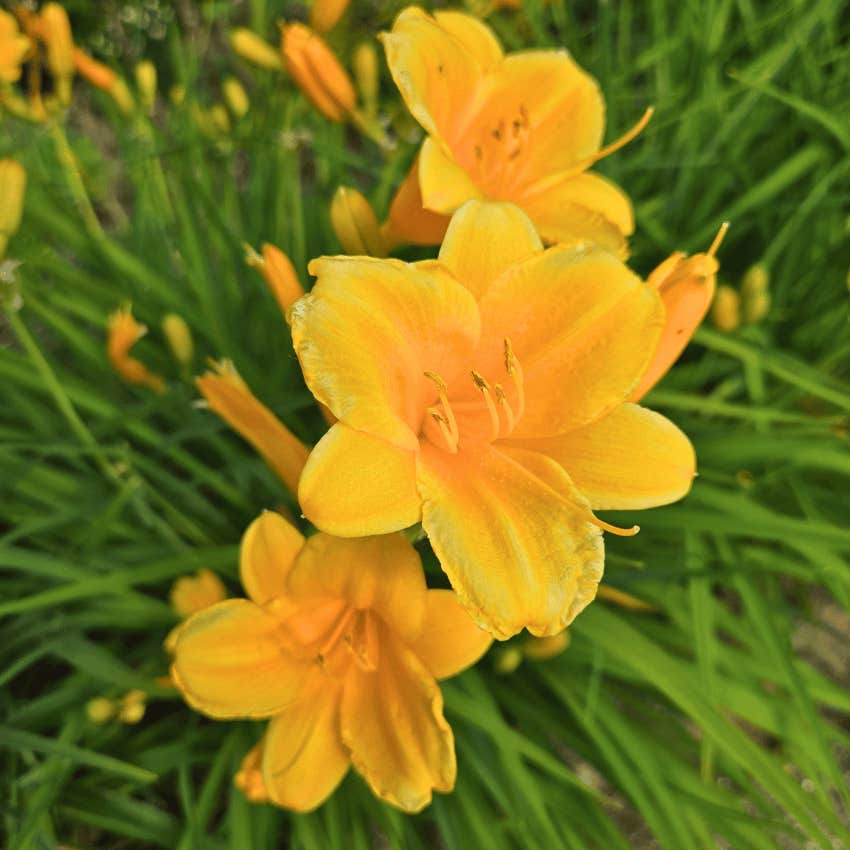
Lilies come in wide varieties, which can make it hard to remember which kinds are safe and which aren't.
Daylilies can upset dogs' stomachs, but they’re extremely poisonous to our endearingly weird feline friends. Calla lilies contain a substance that can burn and irritate dogs’ mouths and their perfect, fuzzy tummies. Eating a calla lily can also cause trouble swallowing.
4. Tulips
Another harbinger of spring, tulips harm dogs, causing anything from vomiting and diarrhea to gastrointestinal bleeding and excessive drooling. The bulbs are the most toxic part for pups. If your pup eats a lot of bulbs, they could experience an increased heart rate and irregular breathing.
5. Hydrangeas
These beautiful shrubs have blue, magenta, or purple petals and contain high concentrations of toxins in both their flowers and leaves. Eating hydrangeas can cause lethargy and a range of gastrointestinal issues in dogs.
6. Rhododendron
Rhododendrons contain grayanotoxin, which can cause vomiting, weakness, depression, and heart problems, including cardiac failure.
7. Aloe Vera
For humans, aloe vera soothes skin, but for our canine companions, it can be toxic. Aloe gel alone isn’t poisonous to pups, but if your furry friend eats an entire aloe leaf, they'll consume both the gel and aloe latex, which contains toxic saponin compounds.
8. Sago Palm
Sago palm is the most dangerous houseplant for dogs. This popular houseplant has cycasin in it, which can lead to liver failure if your dog bestie ingests it.
Sago palm seeds are especially toxic: Even a few seed pods can cause acute liver failure. Symptoms of Sago Palm poisoning include decreased appetite, nosebleeds, and intense stomach issues.
9. Monstera
 Huy Phan | Pexels
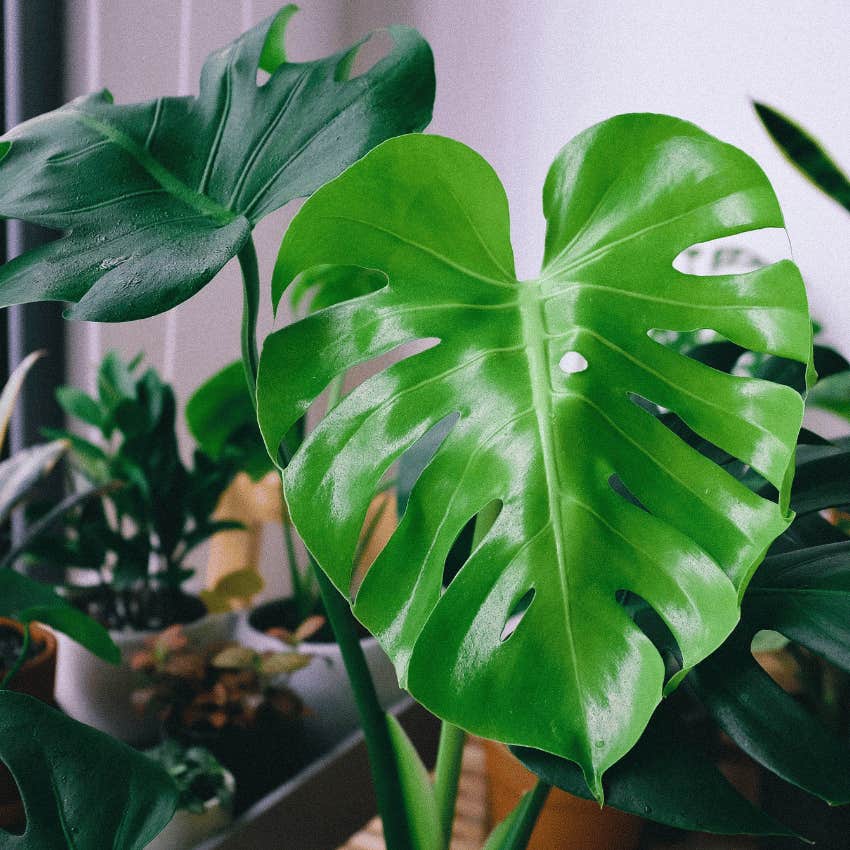
Another popular houseplant known for its wide, fan-shaped leaves, Monstera belongs to the philodendron family. Like its azalea and rhododendron cousins, it contains insoluble calcium oxalates. If a dog eats them, they can cause vomiting and swelling in the mouth, including the lips, tongue, and back of the throat.
10. Peace Lily
With their shiny leaves and curved white flowers, Peace Lilies are popular houseplants. They have the same insoluble calcium oxalates as Monstera plants, so a pup’s symptoms after ingestion would be the same: Vomiting, drooling, and burning of the mouth and lips.
11. Snake Plant
These plants are low-maintenance and easy to keep alive, making them a solid choice for your living room, but not a great choice if you’re a dog parent. Snake plants have saponins that cause stomach problems like nausea, vomiting, and diarrhea.
12. English Ivy
English Ivy is another common landscaping plant, but it can cause serious tummy trouble for dogs and lead to excessive drooling.
This list of poisonous plants is comprehensive but not complete: many other plants are toxic to dogs.
If your gardening hobby extends beyond houseplants to cultivating vegetables, be aware that certain veggies are toxic to pups, too, including onions, garlic, chives, and leeks, all of which are in the same family.
Tomatoes aren’t totally safe for dogs or cats: Ripe fruit is safe, but stems, leaves, and unripe green fruit contain solanine and tomatine, poisonous glycoalkaloids.
Consider filling your vegetable patch with pet-safe plants like carrots, basil, dill, rosemary, and fennel. You can also use raised beds or hanging planters to keep your pup from digging in dangerous spots.
Also avoid certain garden chemicals, like slug pellets, weed killers, and insecticides, because dogs can walk across treated areas, then lick their paws and ingest toxins.
A good alternative to chemical treatment is using compost, though you should still take precautions when composting. Fence off or contain your compost area, as fungi that grow in decomposing plant material can be highly toxic. Avoid putting food in your compost that dogs can’t eat, like onions, garlic, and coffee grounds.
If your precious pup eats a plant they shouldn’t, contact your vet and the Pet Poison Helpline at 855-764-7661. The ASPCA Animal Poison Control Center also runs a 24-hour hotline for pet parents at 888-426-4435.
Alexandra Blogier is a writer on YourTango's news and entertainment team. She covers social issues, pop culture, and all things related to the entertainment industry.
