
People Who Are Mentally & Emotionally Reactive Usually Say 8 Phrases In Casual Conversation
 syedfahadghazanfar / Shutterstock
 Everyone has certain things that rub them the wrong way, but some people can't seem to control their reactions to even the most minor irritations.
It’s important to respect other people's boundaries, but some people seem to get upset about everything at the drop of a hat. These mentally and emotionally reactive people don't allow themselves time to process what they are feeling until after they've already lashed out about it. In the process, they may say hurtful or unhelpful things that they end up regretting later when they realize how differently they could have handled things.
Mentally & emotionally reactive people often say these phrases without thinking about it first
1. “You're so selfish.”
Just because someone tends to be reactive, that doesn’t mean that they were born more emotional than others. There’s usually a reason they act this way. Most people who are overly reactive had difficult situations in their past that influence their behavior.
Their needs may not have been met by the people who were supposed to help them. It causes them to get defensive because they’re worried someone will reject their needs again. They assume others are only looking out for themselves because that's just what they’re used to.
They overstate their needs or call someone selfish to make sure people are paying attention to them. It’s usually not a reflection on the person they tell it to. It’s probably because they need help that they’re not getting elsewhere.
2. “Why would you say that?”
 Kaspars Grinvalds via Canva
Emotion-driven people can’t handle criticism well. They’re pretty much always going to get upset about it. Even if it’s well-intentioned and isn’t meant to be harsh, they’re probably going to take it that way.
These people can turn anything into criticism, too. If someone compliments them on how they look that day, they might react by asking if they looked bad previously. When someone gives them an answer they don’t want to hear, they’ll respond by asking, “Why would you say that?”
They're too emotionally reactive not to get offended by criticism. Their friends will probably feel the need to be overly cautious about what they say to avoid sparking a reaction from them.
3. “We need to talk.”
Mentally and emotionally reactive people typically don’t let go of things as easily as they should. They stay upset about something long after everyone else has forgotten about it, and they'll bring it up again when no one else is even thinking about it.
You’ll know an overly reactive person is trying to restart drama when they say, “We need to talk.” They’ll probably see it as something essential that they need to work through, but many times these problems are things the other person doesn’t see as an issue or has agreed to let go of. Reactions like this may come from them feeling emotionally hurt, and their mental response is to want to work through it until everything has been straightened out.
4. “I need space from you."
People who haven’t learned to let things go don’t have strong emotional regulation skills. They don’t understand how to process their emotions calmly. Instead, they’ll blow up and start a fight with someone who offended them.
After these fights, they’ll tell their friend, “I need space from you.” They’re probably feeling too upset not to have a reaction when they're around that friend. It’s a sign that they aren’t able to handle their emotions because they don’t have a way to calm their anger.
They might also be avoiding saying something too mean to a friend. People who have poor emotional regulation skills tend to respond with anger when they’re feeling hurt. They don’t know how to handle their frustration and need to step away to let themselves cool down naturally.
5. “I can’t believe you left me out.”
 Konstantin Postumitenko from Prostock-studio via Canva
Some people hate being left out so much that they can't keep quiet about it. If two friends hung out without them, they'll say, "I can't believe you left me out." Their disbelief shows just how hurt they are.
I'm sure we've all been left out at least once in our lives. It's easy to get upset about it because it's just a part of how humans operate. We like to be part of a group and get anxious when we think we're being separated from it.
Still, most people don't let themselves react to that basic emotion. Overly reactive people can't do that. They'll also be mentally reactive by jumping to the conclusion that their friends don't like them or that they like each other more.
6. “I’m just being honest.”
People's first response to things that hurt their feelings is usually not the best. We often react more harshly than we intend to. Emotionally reactive people are constantly giving harsh responses to the most important people in their lives. If someone gets upset with them for saying something mean, they'll defend themselves by saying “I’m just being honest.”
Their gut instinct when someone thinks they're rude is to make themselves seem like a better person. People don’t usually love rude behavior, but they do tend to like honesty. These people will try to reframe their criticism to avoid anyone else criticizing them back for their words.
7. “That's not fair.”
Some reactive people don’t only get upset about what happens to them. They may be sensitive to their friends' issues as well. If someone is rude about their friend, they may react too quickly and tell the other person, “That’s not fair.”
These people get genuinely upset when others are hurting. They can't separate themselves from what's going on in other people's lives, even if it doesn't matter to their own. They automatically feel hurt on their behalf and want to defend them, so they'll tell the offending party to stop being mean or unfair and argue as though the situation was happening to them.
8. “I know I can be dramatic but…”
 Wavebreakmedia from Getty Images via Canva
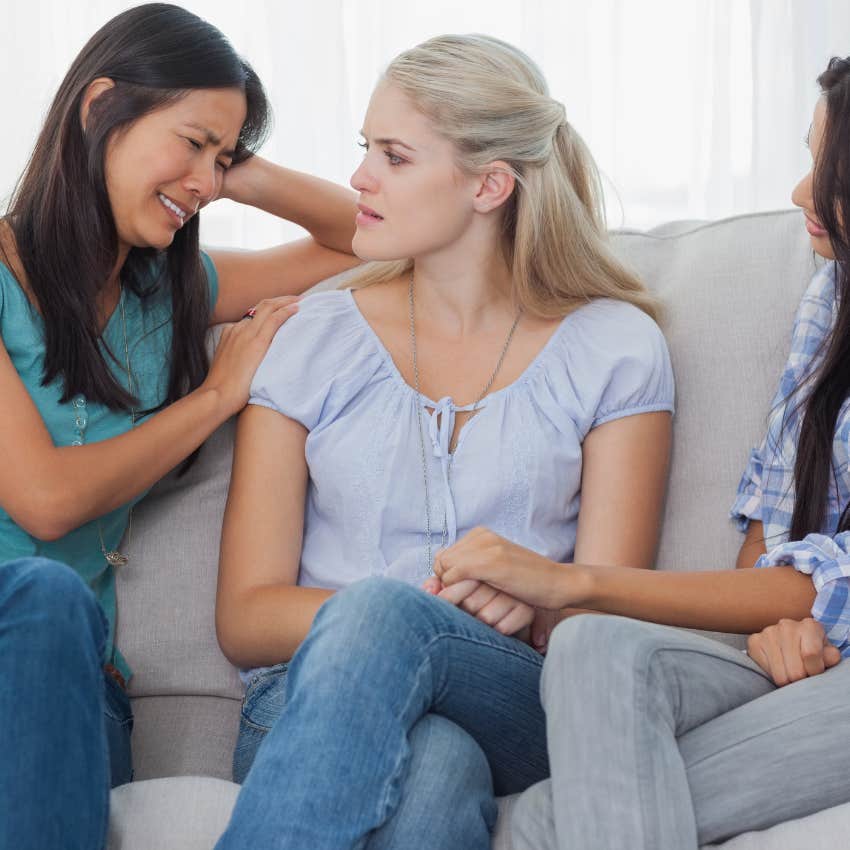
Overly reactive people tend to get called dramatic, and it’s not totally unfair. Dramatic people are usually the ones who give in to their emotions and get upset easily.
These people are mentally reactive because their response to being called dramatic is to try to take ownership of how they act. They’re trying to seem self-aware, usually to avoid hearing they’re dramatic again and having to change their reactive behavior. It’s almost like they’re reacting by calling themselves out before anyone else can.
They’ll usually acknowledge their tendency to act dramatic before they do something else that will be seen the same way. They're still being emotionally reactive, though. They just don’t want to be called out for it.
Lily Bell is a college student studying English and Publications who covers relationships, mental health, and personal narratives surrounding the human experience.
