
People Raised In The 80s & 90s Had 6 Hobbies That Made Them Mentally Sharper Than Younger Generations
 Gorgany | Shutterstock
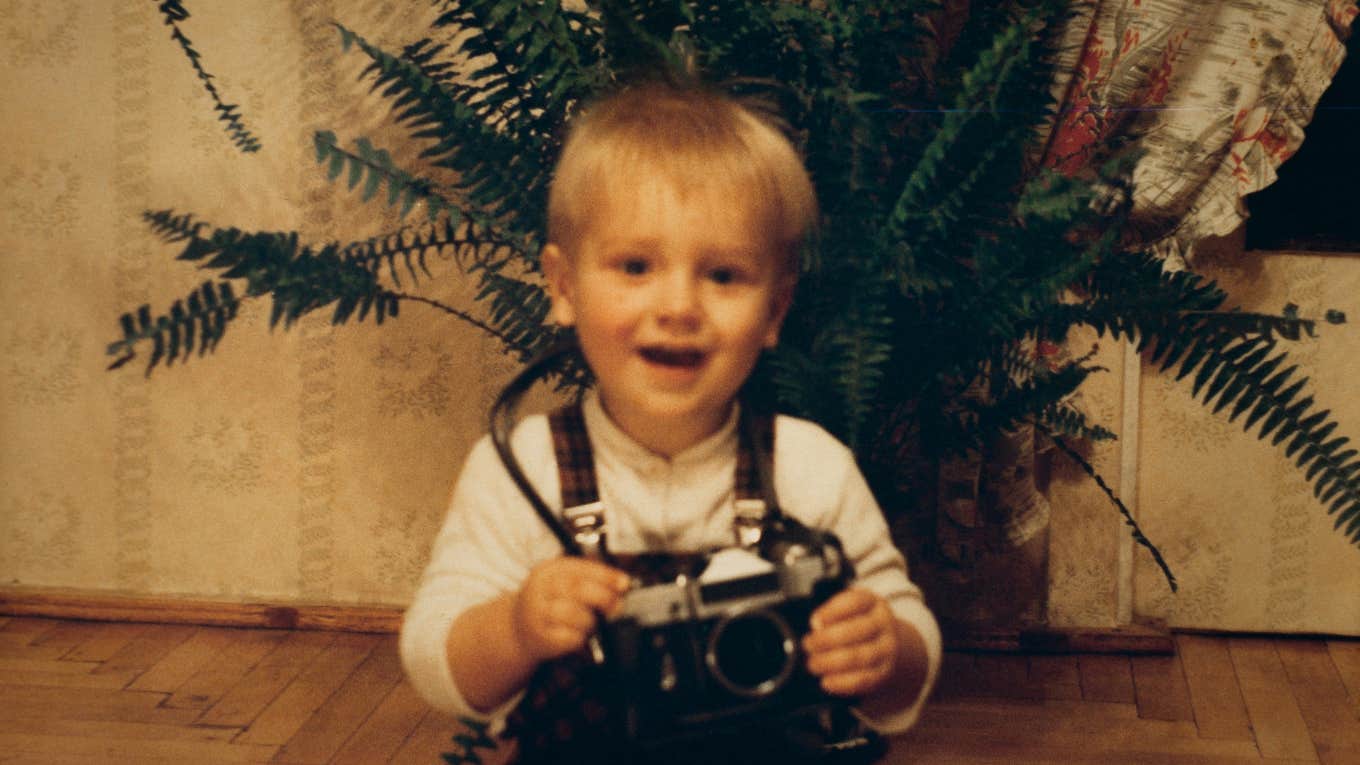
 Kids in the '80s and '90s entertained themselves with hobbies that stimulated their minds. They had technology like video games and TV, but they weren't constantly bombarded with screens and social media as they are today.
None of this means young Gen Xers and millennials were automatically smarter than younger generations. Every generation develops different skills based on the world around them, but some of those older hobbies naturally required children to engage their brains without realizing it.
Hobbies kids had in the '80s & '90s that made them mentally sharper than kids today:
1. Reading books for fun
 Mikhail Nilov / Pexels
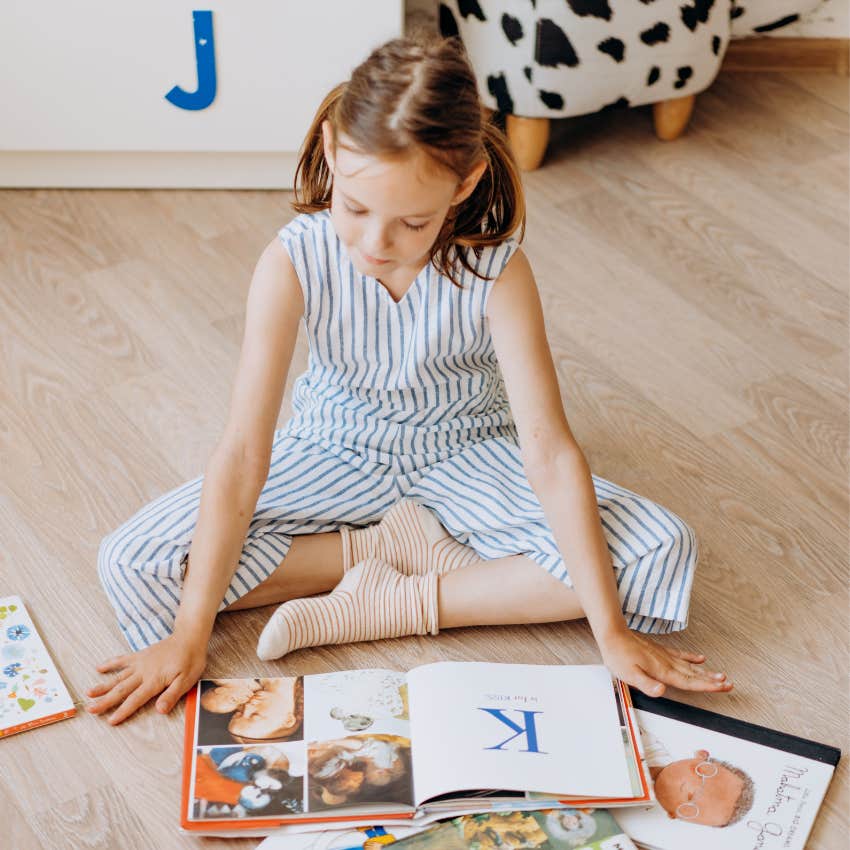
Before smartphones and endless streaming options, getting absorbed in a book was one of the easiest ways for a child to disappear into another world. This wasn't about school, either. Kids back then were just reading for pleasure.
Reading flexed their brains and improved memory and comprehension skills, as well as emotional intelligence. A kid could spend an afternoon seeing the world through someone else's perspective.
2. Playing board games and card games that forced them to think several moves ahead
Family game night wasn't always peaceful. Monopoly night wasn't complete without at least one meltdown. An important part of playing games is that you don't always get to be good immediately, and you don't always win. That teaches children to think about consequences and flexibility.
Games played with other people add another layer. You aren't simply solving a problem against a computer. You're trying to figure out what another human being might do. That can foster a blend of logical reasoning and greater social awareness.
3. Drawing, writing, and being creative without worrying about whether they were good
 cottonbro studio / Pexels
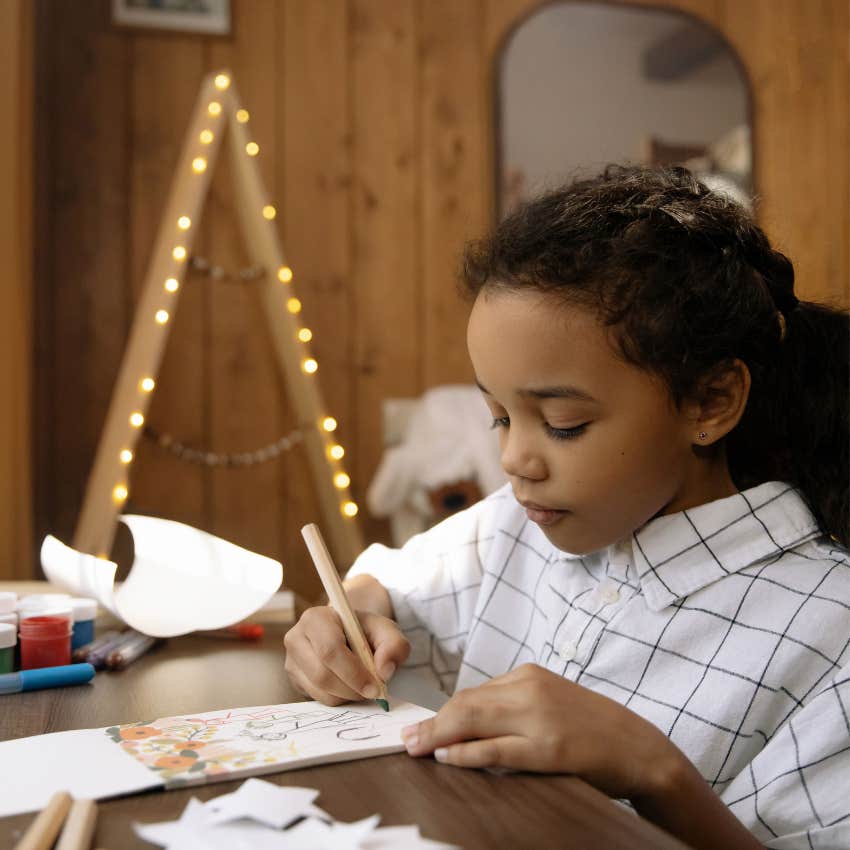
Kids of the '80s and '90s could spend hours using their imaginations and being creative. There wasn't necessarily an audience, and nobody had to like their drawings. You could make something terrible and simply move on. Creativity becomes much easier when you aren't constantly evaluating whether the result is impressive enough to show someone else.
Maybe one of the most valuable parts was that children could create badly without immediately knowing that they were doing it badly. That's how you figure out what you like and practice getting better. They were allowed to try and to be weird, which gave way to individuality.
4. Playing outside without supervision and inventing their own games
Children growing up in the '80s and '90s played outside without structure, and that usually turned into made-up games where a random stick became a sword, or a bizarre version of tag had a laundry list of rules that no one could remember. The important part was that children had to create the activity themselves, which involved a surprising amount of problem-solving.
Unstructured play also involves physicality, spatial awareness, and social engagement, which are all crucial to development. Children were free to figure things out on their own.
5. Learning a musical instrument and reading music
Learning an instrument isn't particularly glamorous when you're beginning. The first few weeks were usually pretty awful. However, children who stuck with music learned to practice and have patience.
You become good at an instrument because you repeat the task until your brain and body begin working together. That process can teach patience in a way that instant entertainment can't easily replicate.
It also teaches children that improvement isn't always immediately visible. You might practice for weeks and feel like you're barely getting better. Then suddenly, you realize you can play something that was impossible a month earlier. Not everything valuable happens quickly.
6. Collecting, researching, and remembering obscure information
 cottonbro studio / Pexels
Every generation has its version of the kid who knows way too much about one extremely specific subject. Adults sometimes dismissed this as useless, but even a sticker collection taught kids how to become genuinely interested in something and the payoff of delayed gratification.
They had to go hunting for the missing Garbage Pail Kid Card, or whatever their thing was, and that required curiosity. Curiosity is one of the most useful intellectual habits a person can develop. When you become genuinely interested in something, you naturally start asking questions. That habit of following your own questions can become much more important than the specific hobby itself.
MeShanda Deason is a writer with a BFA in Creative Writing from Stephen F. Austin State University and minors in Business Communication and Literature who covers storytelling, culture, identity, and human connection across editorial, journalism, and marketing spaces.
