
Gen Z, Millennials, Gen X & Boomers Have Very Different Ideas Of What Counts As Appropriate Phone Etiquette
 shurkin_son / Shutterstock
Making phone calls should be a pretty basic form of communication by this point, but somehow, the way people go about using their phones on a daily basis can cause all kinds of problems. Older people tend to have a different idea of what is and isn't proper etiquette related to making calls and texting, but so do young people, and those ideas aren't always the same.
If you've ever found yourself confused by the fact that someone seemed deeply offended by the way you did or didn't leave them a voicemail or the time you tried to call, it could be that you just don't agree on what being polite means when it comes to using your phone.
Gen Z, millennials, Gen X, and boomers all have their own different ideas of what counts as appropriate phone etiquette.
Boomers often prefer a more traditional approach to phone etiquette, which means actually picking up the phone and having a conversation. They see a phone call as far more personal than a string of text messages, especially when catching up with family and friends. If something is important enough, they'd rather talk it out.
 pics five | Shutterstock
They typically expect basic courtesy for answering calls and returning messages. Letting the phone ring or taking days to respond might come across as dismissive or rude. A quick call back or acknowledgment can go a long way with this generation.
At the same time, many still believe that phones should take a backseat during face-to-face interactions. When you're spending time with someone, boomers feel your attention should be on the person in front of you, not whatever is happening on the screen.
Gen X can appreciate the convenience of a quick text, but they're still comfortable making a call.
Gen Xers don't necessarily need a lengthy phone call to feel connected when a simple text can get the point across just fine. They value their time and personal space, so getting repeated calls or back-to-back messages can feel a little excessive. When they're busy, they probably won't drop everything to answer the phone.
 Karola G from Pexels via Canva
This generation generally understands the importance of being present around other people. Glancing at a notification here and there isn't usually a big deal, but constantly checking the phone could be considered disrespectful. To them, communication should feel natural and reasonable.
Millennials see keeping in touch digitally as a normal part of life.
For millennials, a brief text is usually the best way to make plans or check in. An unexpected phone call, on the other hand, might leave them wondering if something is wrong or if the person calling could have just sent a message instead.
 we.bond.creations | Shutterstock
They're pretty used to having their phones close by, so texting throughout the day isn't uncommon. Still, they definitely don't expect everyone to respond to them immediately. Many like having a little breathing room and understand that people have responsibilities and lives outside of their phones.
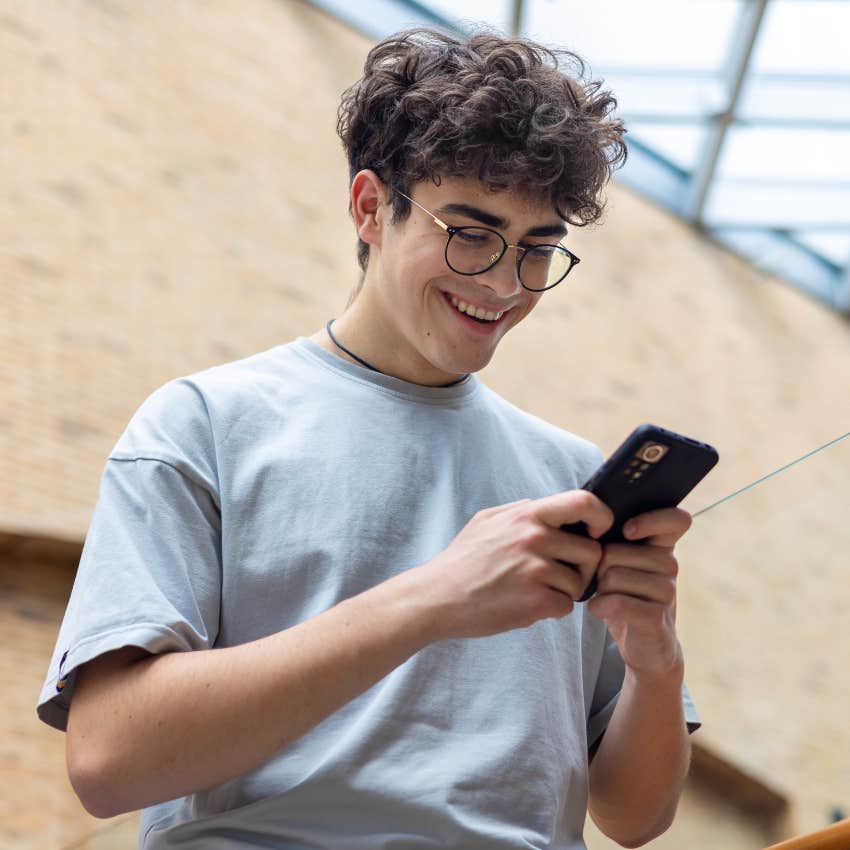
Gen Z is practically fluent in the language of digital communication.
Phone etiquette often revolves around texting, DMing, and sending memes for Gen Z. Traditional phone calls feel like a social ambush in most cases. They appreciate getting a heads-up before someone rings them so they can decide whether they're in the right mindset to talk.
 Mishchenko Svitlana | Shutterstock
They're very familiar with the unspoken rules of digital communication, including knowing when to use emojis and knowing what a delayed response could mean. Leaving someone on read or sending a single-word answer can sometimes send a message of its own.
When they're hanging out with friends, phone use can look a little different. Sharing funny videos or showing someone a viral post can be part of the fun. But there's also a difference between enjoying something together and ignoring everyone else in the room to doomscroll.
Kayla Asbach is a writer with a bachelor's degree from the University of Central Florida. She covers relationships, psychology, self-help, pop culture, and human interest topics.
