
Gen Z, Millennials, Gen X & Boomers Have Completely Different Ideas Of What Cleaning The House Means
 JiManjing | Shutterstock
Cleanliness is often tied to mental health and well-being. In an article for Psychology Today, Dr. Ralph Ryback explains how keeping a clean, organized home can benefit our physical and mental health. But we all have different ideas of what it means to keep a clean house. Some people stick to strict cleaning schedules and deep-clean their homes regularly, while others are perfectly happy doing the basics and saving bigger chores for another day.
From person to person and household to household, how we manage chores and take care of our spaces can look completely different. And those differences are especially noticeable across generations. While some prioritize keeping their homes spotless, others would rather spend their free time doing something they enjoy.
Here's what cleaning the house actually means to Gen Z, millennials, Gen X, and boomers:
Boomers don't just tidy up, they make time for regular deep cleaning
 Drazen Zigic | Shutterstock
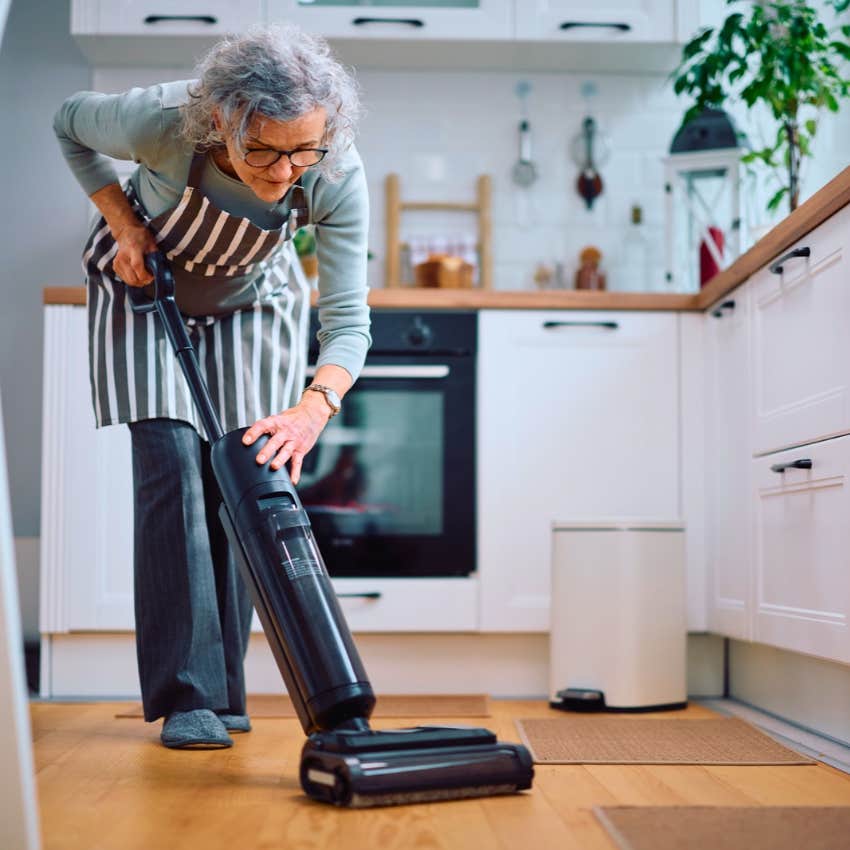
With health, quality time at home, and self-actualization ranking as core values for baby boomers, it's not surprising that rituals like a cleaning routine are big parts of their lives. They're the kind of people who often make space for a few chores each week, and even keep up with deeper cleaning routines more than their younger counterparts.
Especially when their homes and cleanliness feel tied to their sense of purpose or identity, these chores are no longer just obligations, but a way to create meaning in their daily lives. While other generations might find more meaning in different activities, for many older people, keeping up with and caring for their homes is a big priority.
Gen X sticks to a cleaning routine and knows how to get things done efficiently
 Kitreel | Shutterstock
Many Gen Xers learned to be disciplined about keeping up with chores at home. They grew up taking care of themselves and figuring out chores on their own, and as adults, they're resilient and consistent people who always get it done. Of course, they're also the people who sometimes outsource to make life better and more efficient, if they can afford it.
As Harvard professor Ashley Whillans explains, this kind of outsourcing and buying time often predicts happier relationships at home. For Gen Xers with the security to outsource chores, it's not just a matter of convenience. It's an investment in the relationships and experiences they care about and choose to spend their free time on.
For Gen Xers who value their free time and experiences over material things, it makes sense that they'd rather spend money on cleaning services than turn household chores into a full-time job.
Millennials keep up with basic chores and save the deep cleaning for another day
 nadtochiy | Shutterstock
Many millennials and other young people are completely overwhelmed by stress in this season of their lives, at least according to APA’s Stress in America survey. So it's not surprising that their cleaning routines aren't always to the same caliber as older peers'.
Between taking care of children, preparing meals, and handling their other daily responsibilities, many millennials simply don't have much time left for deep cleaning. Instead, they may stick to the basics during the week and save bigger chores for dedicated cleaning days when they have less on their plate.
Gen Z gets the necessary cleaning done but doesn't let chores take over their free time
 VH-studio | Shutterstock
A Talker Research study reveals that over 30% of Gen Zers have at least a single room in their home that hasn't been cleaned or decluttered for over 6 months. For some Gen Zers, putting off cleaning may simply come down to having other priorities.
Gen Zers prefer to spend money on experiences, but they also prefer to save their time and energy for them. They'd rather put off a few chores and responsibilities if it means having more time for experiences they actually enjoy.
Many Gen Zers also live with roommates or share housing with other people, which means cleaning the house can be a shared responsibility rather than something they have to handle alone.
Strict cleaning routines like their boomer peers aren't necessarily a huge priority, especially if other things come up. They'll take care of the basics and might even invite friends over to help them clean while hanging out, but they're not likely to treat cleaning the house like a full-time job.
Zayda Slabbekoorn is a senior editorial strategist with a bachelor's degree in social relations & policy and gender studies, focusing on psychology, relationships, self-help, and human interest stories.
