
Eat, Pray, Love — Or Maybe Don’t
 Sai Maddali| Unsplash
 I grew up in India, where, simply put, domestic abuse is normalized. Women are mistreated as an ordinary matter of course and way of life, so anyone speaking up or protesting is met with surprise. I heard various versions of this growing up — until I was silenced as a teenager in a tumultuous home: “Are you crazy? Are you complaining about your parents? You should be grateful for their sacrifices and respect them.”
When I finally fled home to pursue higher studies, I tried to forget it all. But one thought kept bubbling up in my mind: what sacrifices were everyone referring to? As far as I could tell, I was sacrificing my soul and peace so my parents could always look good.
They’d say, “Oh, your father has rages? He threw his dinner plate at you last night? That’s nothing — my father got so angry he beat my little brother till he peed his pants!” Conversations like this made mistreatment feel like a competition growing up. The more you endured, the more you were revered. No one questioned why.
Eat, pray, love — or maybe don’t
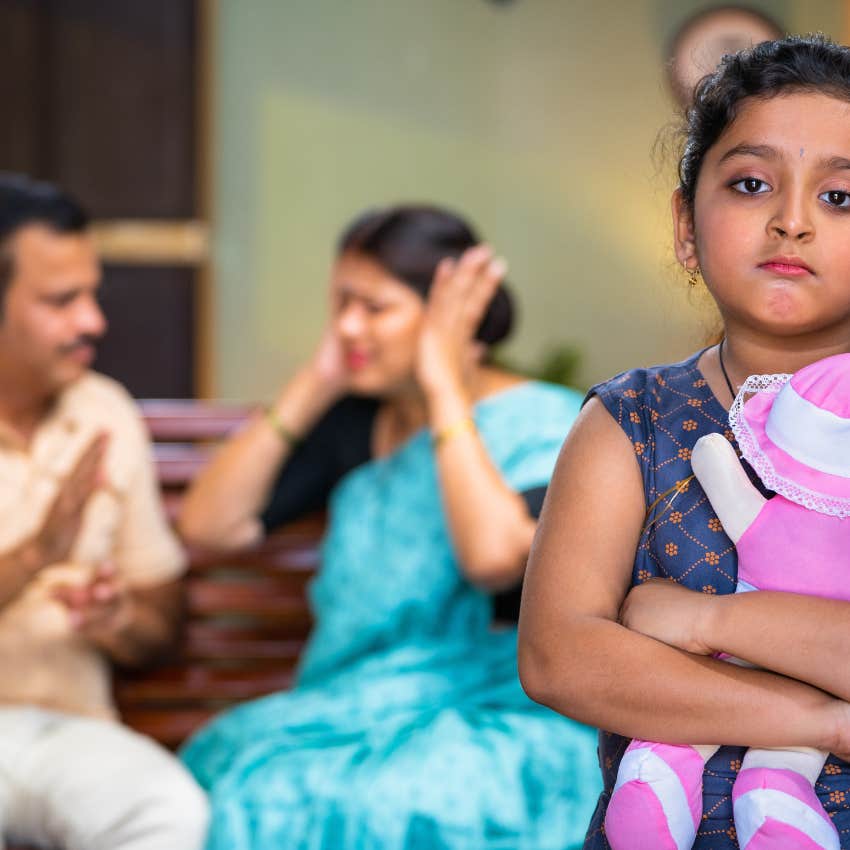 WESTOCK PRODUCTIONS / Shutterstock
Endurance was a badge of honor, not a burden to question.
Then there was the everyday reality of public harassment. Very few women who grew up in India and used public transport can say they were never touched inappropriately.
My first time was when a rickshaw driver casually turned back and touched my breasts over my T-shirt. My mother sat right next to me, steely-eyed. As the driver turned away and kept driving, I froze. No one asked why.
The business of mistreating women is deeply entrenched in the culture. Marriage is depicted as the ultimate “settling down” for every girl in India. “Are you settled yet?” neighbors and friends ask constantly. “Yes, of course — I’m settled as an independent woman lawyer,” I reply. Their faces twist in surprise and pity. “Oh, you’re unmarried?” they say in unison. “No. I’m divorced. I tried marrying once, and when the man started to beat me, I left.”
Now they look shocked. “You left?” they whisper, amazed. “You’re so brave!”
In a culture where endurance is glorified and suffering is sanctified, choosing yourself can feel like a form of rebellion. But I’m not brave. I’m shocked anyone would stay in a marriage when physically harmed or emotionally tortured. Leaving should be normal.
Yet I’m surrounded by Indian aunties who have endured long, painful marriages.
They never considered leaving — they had no money, no freedom. They simply didn’t know how to live without a man’s support — father or husband. When violence happened, they endured. They talked it over among themselves and consoled one another. But no one asked why.
Not why the harm was happening, but why they accepted it — and why they trained the young women in their families to endure it, in the name of family honor and rightful sacrifice.
In a culture where endurance is glorified and suffering is sanctified, choosing yourself can feel like a form of rebellion. We were taught to keep the peace by breaking ourselves, to hold the family together by falling apart quietly.
As if that wasn’t enough, the cycle continued because entire family systems protected the wrongdoer. Mothers and sisters shielded their violent sons and brothers.
I know because I grew up accepting my father’s rages and destruction as just another Tuesday. I was told to wipe up the damage and simply ignore it. Who can we blame when we protect the monster and console the victim in the same breath?
It’s no ordinary travesty to educate and love young women — and then prepare them as prey. In a patriarchal society like ours, no one wants to bell the cat. Instead of calling out the grandfather, father, or brother slamming dishes, walls, and bodies, we tell women to be silent, to endure, to accept. And to make sure it sticks, we say this is God’s way.
Silence isn’t peace — it’s complicity dressed as devotion.
India is known for Eat, Pray, Love, but for local women, the spiritual principles of forgiveness and acceptance are twisted to strangle the victim and excuse the perpetrator.
We were taught to keep the peace by breaking ourselves, to hold the family together by falling apart quietly. So I say I am not settled. I cannot be until we start speaking truth to power and unsilencing women’s voices.
Delicious Indian food often hides abusive and controlling homes where women are mistreated. This is not safe spirituality or a healthy manifestation of family love. No amount of prayer can save a young woman trapped by her own family — until she finds her voice and escapes the delusion that she owes her life to those who harm her. Eat, Pray, Love doesn’t solve the problem of women trapped in miserable circumstances.
Women suffering in plain sight is a complex social issue that lies beneath the glossy veneer of family gatherings in India. I know it won’t end with me. But I am one voice shining a light on the darkness.
I see you. You are not alone, my sister. And perhaps that’s how we begin to unlearn silence — one honest voice at a time.
Gargi Sen is a lawyer, writer, and founder of UnsquashableGirl — a digital platform that inspires women to get out of abusive and dysfunctional relationships and live better lives. Her work has appeared in The New York Times Tiny Love Stories, NYU's award-winning magazine The Revealer, and Women Thrive Magazine.
