
If You Do These 5 Little Things Just To Get Through The Day, No One Gets To Judge
 Alex Shu | Unsplash
 Although many people participate in self-care practices, research confirms there’s still an element of guilt and shame lurking around taking care of yourself. Everyone’s go-to self-care tactics are different. You might be surprised by a coworker or friend’s habits and react judgmentally.
But it’s crucial to extend acceptance and kindness toward anyone trying to nurture themself, including yourself. Bottom line: If you do these things to get through the day, nobody gets to judge. Someone saying “no” to a stressful night out or an extra responsibility is likely dealing with enough internal guilt over their choice. Therefore, your effort to provide support rather than shame is vital.
If you do these 5 little things to get through the day, no one gets to judge:
1. Nobody should judge you for needing alone time
Reserving time away from people isn’t an attempt to be unsociable. Your busy, stressed-out friend isn’t trying to snub you by requesting a night alone. Even many extroverts feel that a certain amount of solitary time is restful.
In our fast-paced culture, people struggle to find time away from distractions to allow themselves to unwind. But a moment outside of the usual hubbub of life can offer a new perspective and refresh your mind. So, respect people’s use of their own time.
A 2023 study found that solitude significantly fosters independence by giving people uninterrupted space for self-reflection, allowing them to develop their thoughts and values free from outside pressure. The same research found that spending intentional time alone also enhances emotional regulation and creativity.
2. Nobody should judge you for caring about how you look
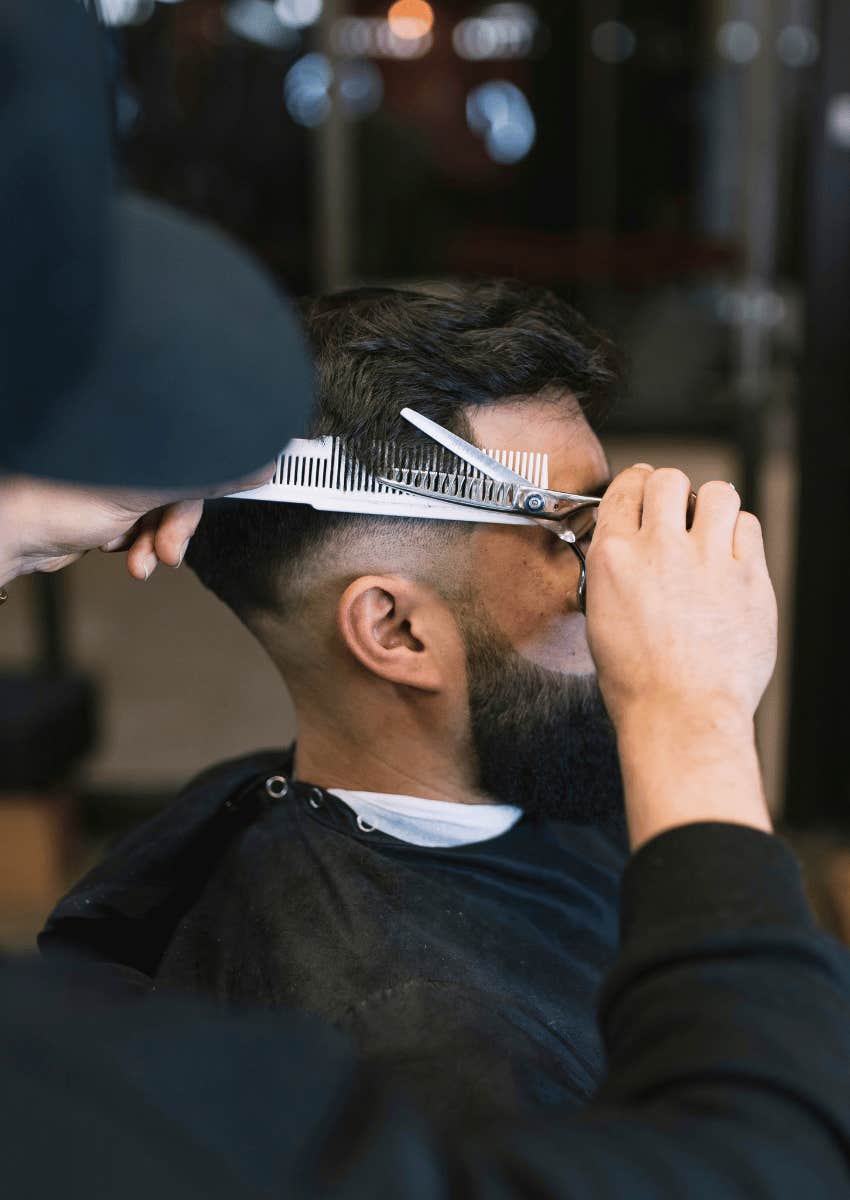 Nate Johnston / Unsplash
Others might handle their appearance in a way that you don’t with cosmetics, beauty procedures, or new outfits. But spending a little money to increase self-confidence doesn’t always deserve contempt.
Research shows that self-confidence in appearance and body-esteem all significantly predict overall self-esteem, meaning that how you feel about yourself on the outside has a real, measurable impact on how you feel on the inside. For many people, changing their look is not about vanity, but instead about finding a more positive way to view themselves.
Affirming your identity involves every aspect of yourself, including presentation. Anything from clothes to hairstyle can substantially enhance a person’s life and mood, so let others be who they want to be.
3. Nobody should judge you for working on yourself
Listening to an encouraging self-help resource means someone is working towards improvement and growth. There’s certainly an ongoing joke that uplifting books and podcasts are a dorky waste of time.
For many people, though, they aren’t anything to scoff at. They provide real help. Embracing self-love is an inner challenge, but it’s even harder when your friends and family are unsupportive. Reinforce others’ self-esteem and intentional work by backing them wholeheartedly.
Dr. Judith Tutin, a licensed psychologist, writes that the real payoff from self-help resources comes when you slow down and actually apply what you're taking in, noting that "it's better to read five pages and spend a few minutes to really get it than to read ten pages that you walk away from with nothing."
4. Nobody should judge you for logging off social media
 Roberta Sant'Anna / Unsplash+
While social media can help, it can also hinder people who compare themselves to others or lose themselves in the unrealistic expectations that altered photos and statuses set. But others who notice a social media absence can get critical.
Separating from Facebook, Instagram, and TikTok can be a breath of fresh air. There are other ways to connect with those who unplug from social media for a while, so reach out to them in real life. Don’t shame people for detoxing from digital platforms to get in touch with themselves and establish healthy boundaries.
One study found that young adults who cut back on social media for just one week saw anxiety symptoms drop by 16%, depression fall by nearly 25%, and insomnia decrease by 14.5%. Stepping away from the scroll is one of the simplest things you can do for your mental health right now.
5. Nobody should judge you for accepting help
Being vulnerable with others requires strength and courage. So, when someone asks for help and lets another person in, this doesn’t warrant disdain. It isn’t weak to invite others into your life.
Psychologist Dr. Lesley Goth explains that the pressure to always appear strong is rooted in fear of judgment, and that "vulnerability and the need to be helped, though inherently human, have been labeled as weak." Letting someone in isn't a sign that you're falling apart; it's a sign that you know yourself well enough to know what you need.
Honestly admitting your needs is a bold self-care move, and each person who acknowledges this can use a support system. Walk alongside someone open to assistance in their situation and guide them to a properly equipped professional.
When you pursue healthy habits, you want encouragement from your family, friends, and coworkers. As you see others bettering themselves, extend that same kindness and encouragement. Everyone takes care of themselves in different ways, so be the supportive shoulder instead of the critical eye!
Kate Harveston is a writer who focuses on self-care and self-love.
