
Boomer & Gen X Women Often Deal With 7 Struggles That They Don’t Talk About
 michaelheim / Shutterstock
Many boomer and Gen X women grew up with stoic parents who expected them to keep their problems to themselves. Even now that they have become parents and grandparents themselves, there are still many common life hardships they feel much more comfortable dealing with quietly on their own.
7 struggles baby boomer and Gen X women often struggle with, but don't want to talk about:
1. Their mid-life crisis
 Valeriia Sviridova via Canva
This may be more relevant for Gen X women right now, but it happened to boomers, too. Life’s changes can seriously affect a woman’s emotional well-being. Think of it this way: these women experienced societal pressure to have children by a certain age. While millennials and Gen Z are postponing having kids, older generations were expected to be young parents. Family life was most important thing, though some women prioritized careers along with parenthood.
Once their children moved out and they retired, they lost a lot of the personality they had for so long. Now that their children have left the nest, where do they go from there? They’ve dedicated the last (at least) 18 years to caring for their kids. It can be difficult to make friends and connect with others when they don’t talk about their feelings.
2. Financial concerns
 TatyanaGI from Getty Images via Canva
Boomers and Gen X are reaching the period where they’re retiring or losing partners who helped out financially. Some of these women never worked, while others gave their all to their career for years. Either way, the difficult economy has changed the world drastically. Without their paychecks or breadwinning partners, it can feel impossible to keep moving. Sadly, they are not the only ones experiencing this stress.
Surveys have found that most Americans can only survive on a dual income. This means that without two salaries, it’s difficult to navigate the economy. They may be stressed if they fail to save for retirement or no longer have someone else’s income to assist them.
3. Mental health struggles
 natalie board from Getty Images via Canva
There has always been a stigma around mental health. Older generations experienced it worse than we do now. In the past, the country dealt with mentally ill patients by sending them to seek treatment in an asylum. We know many of those practices were useless and cruel, leading to the shutdown of most asylums by the 1950s to 1970s, but since people struggling with their mental health were looked down on when they were growing up, it might have hindered how comfortable they were expressing their own emotions.
These conversations were taboo for women from these generations. If their parents weren't talking about it, they likely struggled to do the same. Now that they are dealing with serious life changes as they age, they may hold onto their feelings, making their struggles more difficult to deal with.
4. Exhaustion from being the rock of their household for so long
 digitalskillet from Getty Images via Canva
Many boomer and Gen X women are the heart of their families. They handled almost everything at home. They booked appointments, took the kids to school, and did all of the household chores. Many of them worked outside the home, which left them exhausted. They were constantly doing unpaid labor. Now that their children are grown, it can be hard to adjust to their new normal.
It’s not surprising that they feel drained from decades of hard work. That doesn’t mean they don’t miss it. Becoming an empty nester isn’t easy. Even though the relief from the pressure of constant parenting can be positive in some respects, it’s still a difficult adjustment.
5. Constant feelings of guilt
 fizkes by Getty Images via canva
Boomers and Gen Xers have spent decades putting other people first, so taking care of themselves can be difficult. Putting everyone else before themselves made sense for so long. They were taught to give everything they had to their families, leaving them exhausted and drained.
That didn’t make it any easier for them to kick the habit as they've gotten older. Many women still believe they are bad people if they don’t make everyone else around them happy. They blame themselves when something goes wrong. They may spend their time reflecting on their mistakes and dealing with guilt.
6. Taking care of their aging parents and their own children
 Kimy Moto from Pexels via Canva
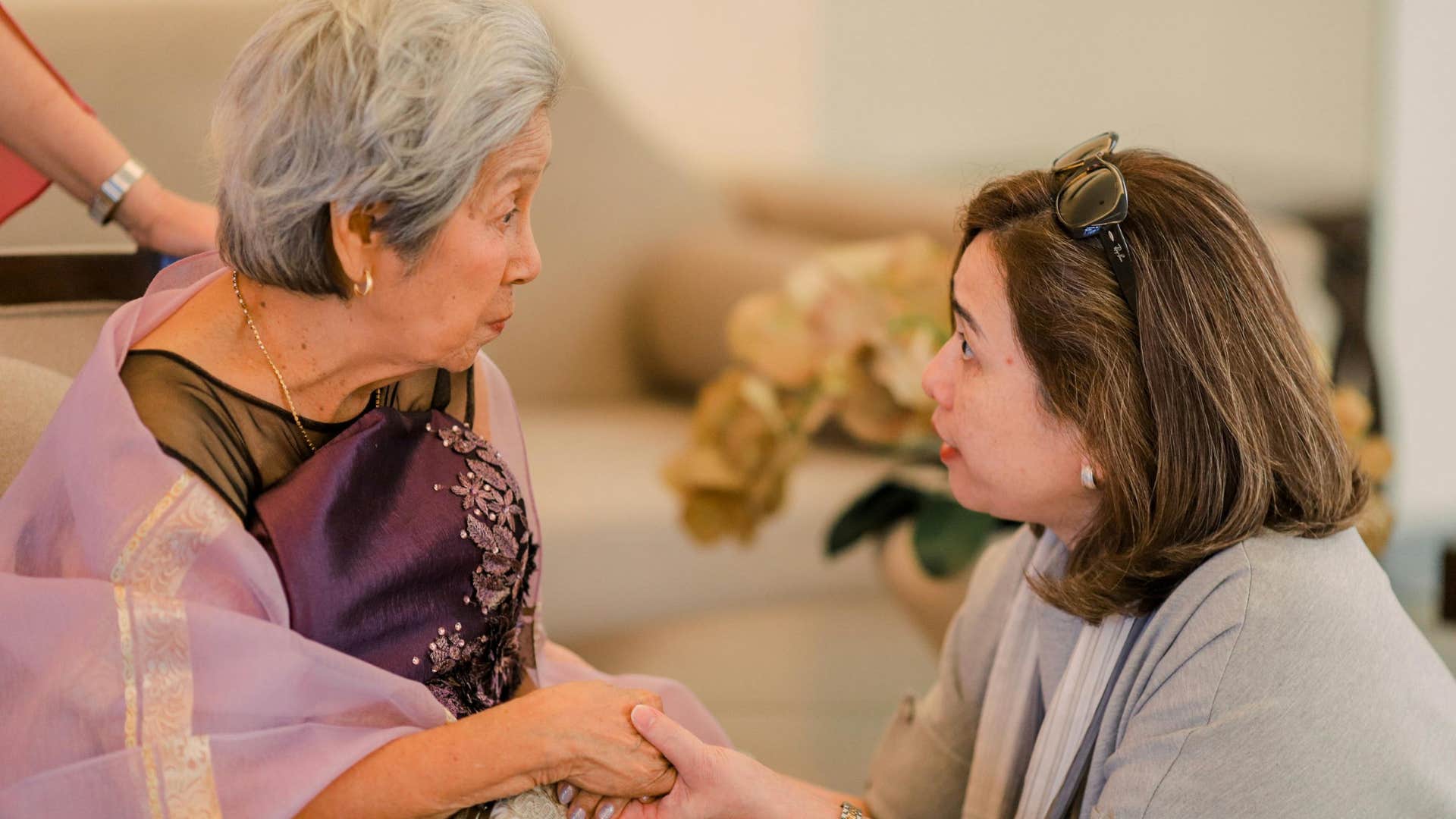
This is mainly an issue for Gen Xers now. They are often called the sandwich generation because they are stuck between their parents and their children, and their boomer moms were there just a short time ago. As their parents age, they’re often tasked with caring for them, which can be overwhelming. Adding their children and their needs can be completely overwhelming. They know they are responsible for everyone, and it can leave them with no time for themselves.
These women are expected to handle both generations. It might be hard for them to talk about it with others because they don’t want to come across as angry or lazy.
7. Loneliness
 Vitaly Gariev from Pexels via Canva
Middle-aged Americans report higher levels of loneliness. They may feel isolated as their lives change over time. They are no longer the caretaker or homemaker they once were. Many now live alone after raising children and being married, which is isolating. Retirement and the death of loved ones make these generations struggle even more.
Living alone and having a small social circle doesn’t mean they’re lonely. However, older generations may not be alone by choice. They can find themselves separated from their loved ones for one reason or another. This can make them feel emotionally isolated.
Haley Van Horn is a freelance writer with a master’s degree in Humanities living in Los Angeles. Her focus includes entertainment and lifestyle stories.
