
Kids Raised By Parents Who Rarely Hugged Them Usually Carry 7 Habits Into Adulthood
 PeopleImages | Shutterstock
Kids need hugs. It's simple, but it's true.. Childhood development experts say kids need at least 20 seconds of physical affection daily for emotional, cognitive and even physical development.
Not all kids have this basic need fulfilled. This can make hugs overwhelming and uncomfortable when they do happen, leading to habits they carry into adulthood. Luckily, this generational cycle can be broken.
Kids raised by parents who rarely hugged them often carry these habits into adulthood:
1. They’re uncomfortable with physical touch
 Jupiterimages from Photo Images via Canva
Kids raised in unaffectionate households may not be comfortable with physical touch, even from people they love and trust. They may not like their friends to touch them casually or to receive a hug even from family members who they’ve known for years. Even if they know these are socially expected interactions, they may tense up and count the seconds until they're done.
Growing up, they’ve never learned that physical touch can seem safe and comfortable. It’s something they’re not used to and it can make them feel overwhelmed. Research done by Anik Debrot and colleagues in 2020 shows that consensual touch helps rather than harm, and people who were rarely hugged as children may want to be open to this. But it's likely this will still take time.
2. Their love language is acts of service
Instead of being affectionate towards people, kids who weren't hugged enough by their parents tend to enjoy helping the people they care about or giving gifts in order to show affection.
This could look like helping a friend fix a broken appliance or cooking a meal for a close relative. As children, they may have learned that helping out and doing something kind was a way their parents showed their love for them and may even have been one of the only ways to earn praise and attention.
While all acts of kindness are great, these adults may still feel a subtle craving for touch, too. Often, when they have kids of their own, they are able to start feeling more comfortable with it.
3. They refuse to ask for help or rely on anyone else
Healthy relationships and friendships are inter-dependent, meaning both people give and take at different times. Relying on people is a good way to build trust and connection in a relationship and can help people bond and experience emotional connection. However, kids who were given affection from their parents may not want to rely on other people because they’re used to not doing so.
Eventually they feel like islands due to this extreme independence, and the effects go deeper than just sadness. According to the U.S. Centers for Disease Control and Prevention, isolation and loneliness can cause problems to the heart and depression.
They may not have gone to their parents for emotional support growing up, so as adults, they might believe they don’t need it. They also may have learned that asking for help or support came at a cost. This can lead to loneliness and being isolated from other people.
4. They struggle with taking compliments
 Polina Zimmerman from Pexels via Canva
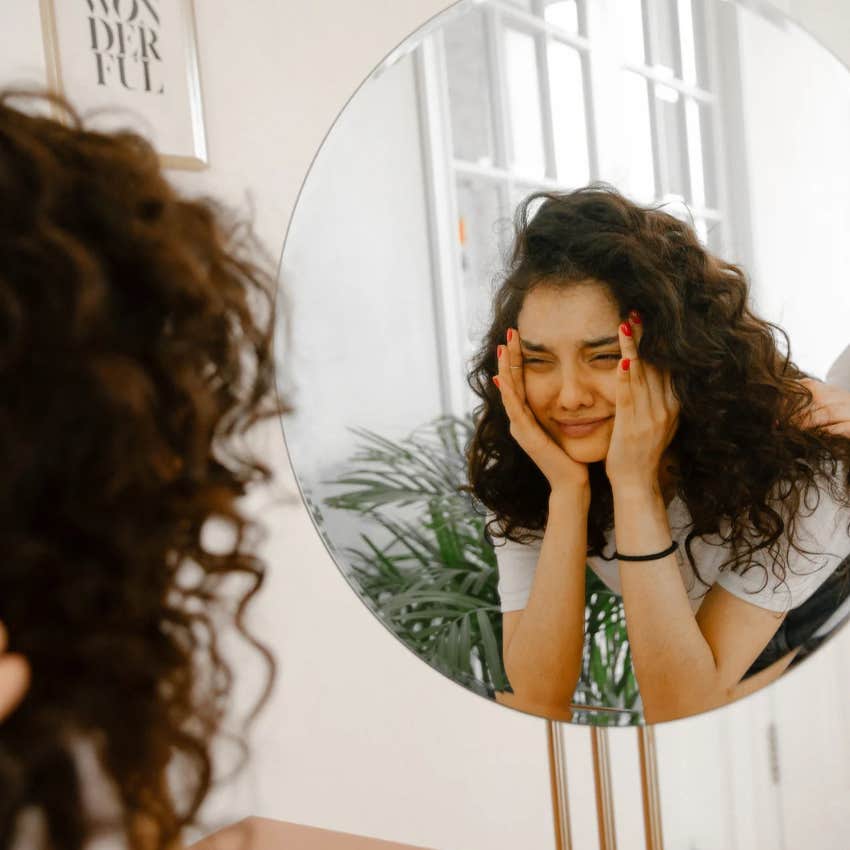
Since they rarely received affection from their parents, some kids may have a hard time accepting compliments from other people. They may think the giver is just being nice or maybe even taunting them. They didn't experience affection that was safe and secure, so they're suspicous of anyone offering it.
In psychologist Guy Winch’s article in Psychology Today, he suggests some people struggle with compliments because it doesn’t validate the view they have of themselves. Most people look for confirmation of their identity and how they view themselves. When someone gives them a compliment that goes against how they see themselves, it can cause them to feel uncomfortable and they’ll try to come up with any explanation to justify their discomfort.
5. They hide or dismiss their achievements
Kids with parents who rarely hugged them may brush off their accomplishments because they feel like they don’t deserve it. They chalk it up to luck or good times since they’ve convinced themselves other people believe they’re smarter than they actually are.
Growing up, they had missed out on the emotional support needed to see their own value and worth. This follows them into adulthood and can lead them to reject people who genuinely want to celebrate their achievements. Instead, they surround themselves with people who are more like haters than trusted confidants.
6. They have a hard time setting boundaries
 RDNE Stock project from Pexels via Canva
Boundaries are used to protect the person setting them and their wellbeing. According to Chantelle Pettemore writing for PsychCentral, "a person can have boundaries that are too rigid as well as ones that are too weak. Without a healthy blend of boundaries as well as clear communication, it's easy to become anxious and even exhausted around other people.
Kids who weren't hugged often enough tend to have difficulties figuring out what their needs are in order to set and maintain healthy boundaries in the first place. They often fear rejection from those around them or swing to the opposite end of the spectrum and create boundaries that are more like 30 foot high castle walls.
When they become adults, they may put others before themselves just to please them or keep themselves isolated with boundaries no potential partner or friend could maintain in real life.
7. They don’t like talking about their feelings
Kids who grow up feeling loved and secure are much more comfortable with their feelings than those who didn't get enough affection or unconditional care. Kids who went to their parents with big feelings of sadness or fear and were met with coldness instead of a warm hug may end up pushing their feelings aside in ways that are very unhealthy.
After a childhood pushing away their feelings, they may not fully understand their emotions enough to explain them to other people. They may not even recognize or name the emotion they are feeling. This can push away healthy people who want to support and love this person because they clearly have big feelings, they just can't explain them, which can feel isolating to someone who wants to be there for them.
Aricka Croxton is a writer with a Bachelor’s Degree in Creative Writing from the University of Michigan who covers relationships, self-help, and wellness.
