
Only, Oldest, Middle And Youngest Children Interact With Adults In Very Different Ways
 goodluz / Shutterstock
While siblings growing up in the same home may have many of the same experiences, they tend to have vastly different personalities. Psychologist Kate Eshleman, PsyD, suggests birth order can play a role in determining many aspects of a child's behavior, including how they engage with other people.
Only, oldest, middle, and youngest children tend to interact with grown-ups in different ways
Because parents have had more or less time and emotional bandwidth to pay attention to their children based on where each falls in the sibling lineup, kids who are youngest, oldest, middle, or only children may have fewer or more opportunities to practice their communication skills around other adults.
Only children interact with adults easily.
 Yan Krukau from Pexels via Canva
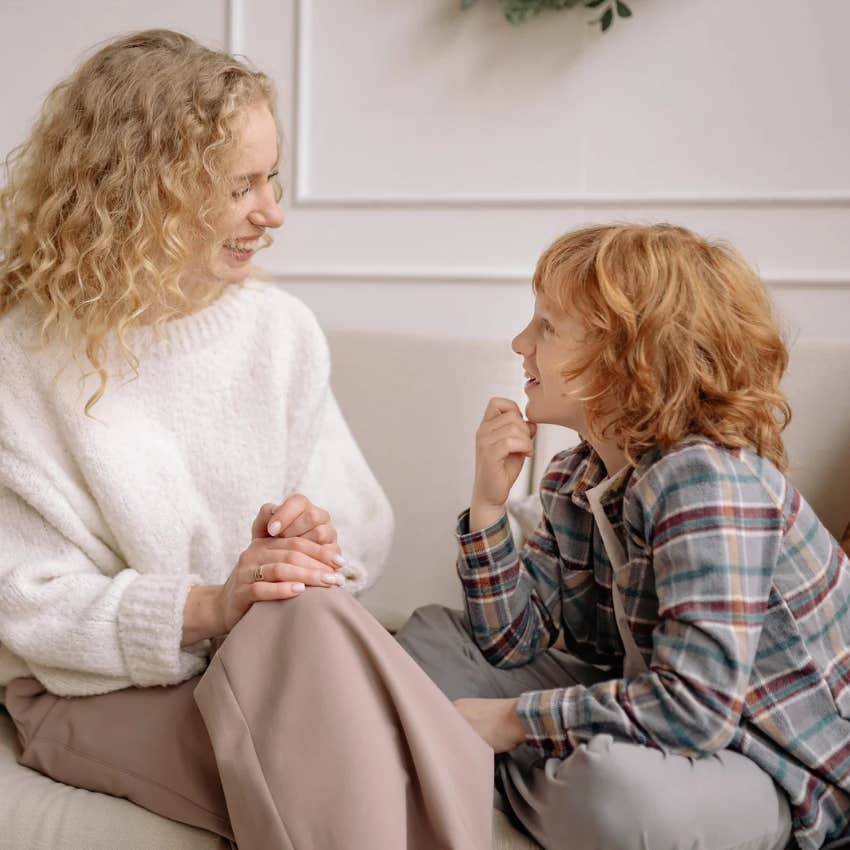
Only children tend to have an easier time interacting with adults since they may spend a lot of time around them. They tend to be around children when they are outside of school or spending time with friends.
According to Carl Pickhardt, a counseling psychologist and parenting expert, “only children learn early on how to get along with adults.” They may have been exposed to many mature conversations at home. As they get older, they naturally develop the confidence and communication skills needed to navigate adult spaces.
Oldest children tend to seek approval from adults.
 Odua Images via Canva
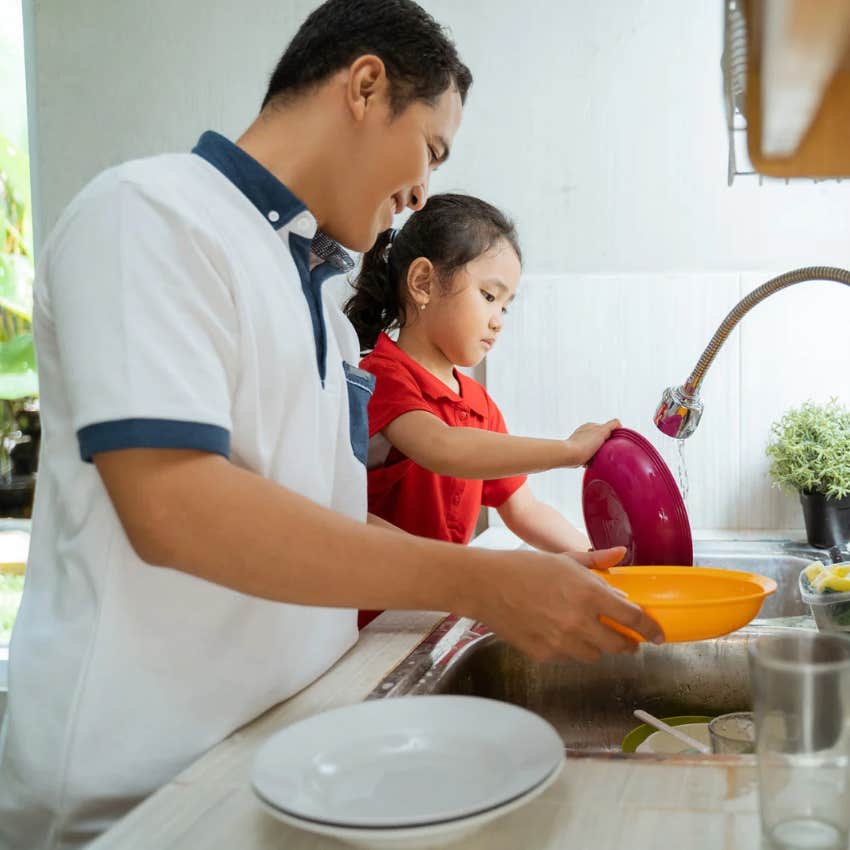
The oldest child typically helps out with caring for their siblings. This can lead them to mature at an early age and develop a deep-rooted sense of responsibility for their loved ones.
Their maturity and responsibility carry into their interactions with adults. They are often polite and want to prove themselves to the adults around them. They will try to help their parents or teachers when they can and take on leadership roles or more responsibilities.
Middle children are tactful around adults
Growing up, middle children might have been overlooked often by their parents. They were stuck between their older and younger siblings, and WebMD notes that they may have had to act as a mediator for their conflicts.
Since they spent their childhood keeping the peace, they become diplomatic around adults. They can read the room and adjust their behavior to avoid tension and gain approval. They may be able to contribute to conversations or arguments and help resolve conflicts with ease.
Youngest children are charming and sociable to grown-ups
 Georgijevic from Getty Images via Canva
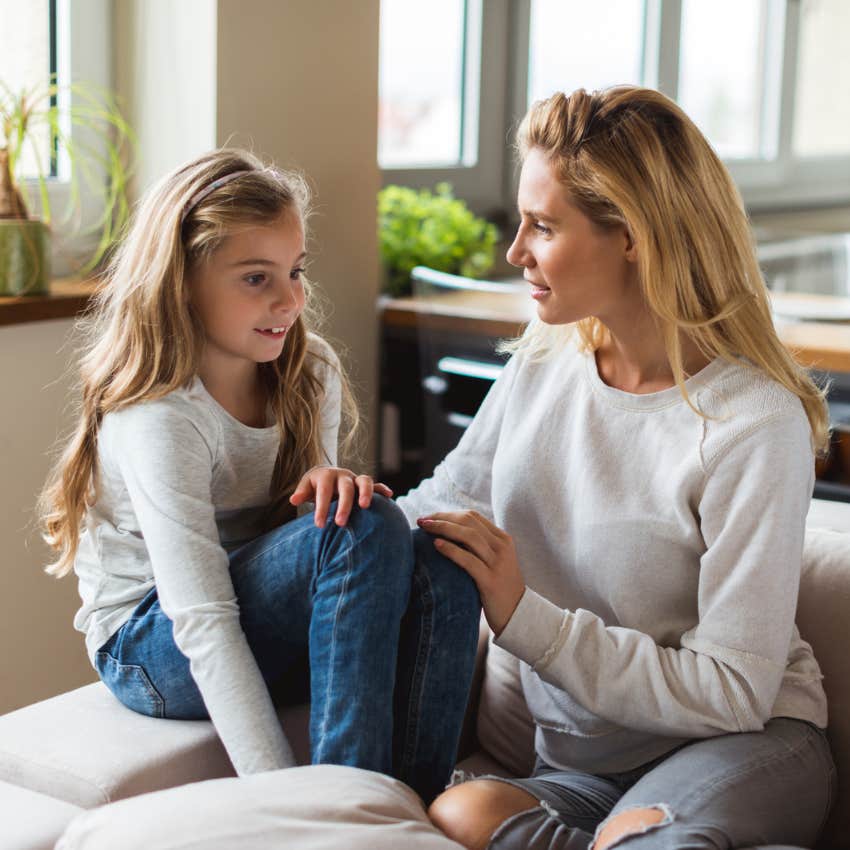
The youngest child tends to get a lot of attention from their parents and other adults. They are seen as the baby of their family and may have learned how to be charismatic and disarming.
According to Kevin Leman, a psychologist and author, the youngest child is outgoing and knows how to persuade those around them. If they need something, they will find a way to get it.
Aricka Croxton is a writer with a Bachelor’s Degree in Creative Writing from the University of Michigan who covers relationships, self-help, and wellness.
