
The Art Of True Discernment: 7 Ways To Tell Who Actually Has Your Best Interests At Heart
 Bbernard | Shutterstock
It's really good for us to notice and appreciate other people's positive intentions, according to experts like psychologist Rick Hanson. But what does having good intentions really mean, and how can you tell if someone actually has your best interests at heart?
Just because someone says they care about you doesn't necessarily mean their actions reflect that. Sometimes, figuring out who's looking out for you takes a little more attention. It can be subtle and take time to recognize someone's true intentions, but you can tell who has your best interests at heart by listening to what they say and watching what they do around you. It's called discernment, and it helps people to make better decisions about who they trust. These behaviors can tell you a lot about whether their intentions are genuine.
Ways to discern who actually has your best interests at heart:
1. They keep their promises, even when it's inconvenient
 Miljan Zivkovic | Shutterstock.com
Building trust is a journey. It doesn’t happen in a day. But you can sense when someone has the best intentions at heart and is trying to build safety with you when they keep their promises again and again. These are small bids of trust, especially when convenience and the allure of a good story are on the table.
In her discussion of the Anatomy of Trust, Brené Brown references Charles Feltman's explanation that trust means "choosing to make something important to you vulnerable to the actions of someone else"." When someone doesn't handle that responsibility with care, it's much harder to feel safe being vulnerable with them.
In daily life, if you tell a partner or friend that you've been the topic of gossip before, and then make a conscious effort to share something vulnerable or intimate about yourself, building trust would look like that person keeping your information private.
2. They respect your boundaries without making you explain yourself
Take note of who respects your boundaries and who always expects an explanation for not having all the access to you that they want. The difference between these two can also remind us who’s worth keeping around, and who we have to distance from to protect our energy.
While an immature person might take you setting a boundary as a personal attack or a sign of negativity, someone who truly cares about you and has your best interests in mind respects what you need. And considering the power of “no” in our lives, these are the most essential relationships to keep around.
As relationship expert Judith Sills explains, saying "no" is an important part of making your own choices and recognizing that you don't always have to give in to what other people want, even when you care about them. "It announces, however indirectly, something affirmative about you," says Sills, "that while each of us interacts with others, and loves, respects, and values those relationships, we do not and cannot allow ourselves always to be influenced by them."
3. They have high standards for the people they keep in their lives
It’s important to remember that someone else’s personal standards and opinions don't determine your own self-worth. However, you may be able to spot just how genuine and considerate someone is with you by the kinds of relationships they keep around.
If they're picky about the people they keep around, have high standards for themselves, and genuinely value the relationships they build, it's a good sign they take their connections with others seriously. They are intentional with social circles and relationships, rather than passive.
Of course, there’s a difference between a narcissistic friend, who makes people “feel special being in the orbit of someone so outwardly confident,” according to psychology expert Jack Wood, and someone who cares about the honest quality of their relationships. So notice who's looking for a healthy, thriving relationship, and who just wants distraction and attention to fuel their fragile ego.
4. They genuinely apologize when they hurt you, even if they didn't mean to
 Fizkes | Shutterstock.com
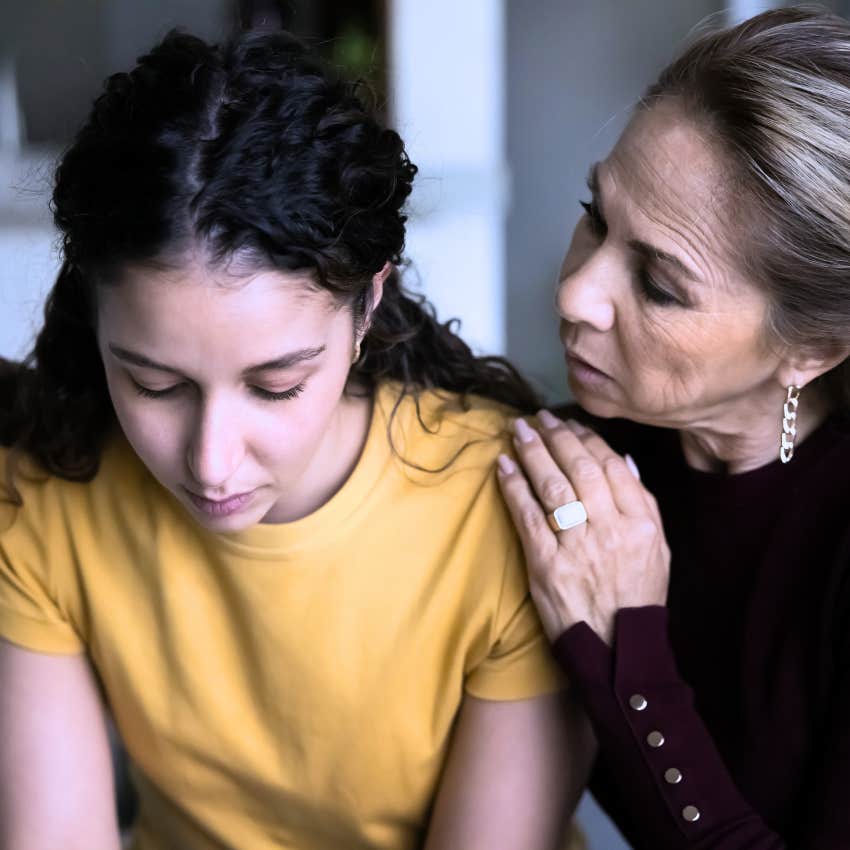
The kinds of people who care more about personal comfort than accountability will find ways to dodge it in every situation. Especially if they don’t believe they’ve done anything wrong, you being hurt or upset isn’t reason enough for them to offer a genuine apology, or, sometimes, to even have a conversation about where things went awry.
Apology is not just a social nicety. It is an important ritual, a way of showing respect and empathy for the wronged person. Psychotherapist Beverly Engel explains that an apology "is also a way of acknowledging an act that, if otherwise left unnoticed, might compromise the relationship."
If someone isn’t willing to apologize, they’re prioritizing something else over your well-being and the quality of the relationship you share, whether that’s personal convenience or their own ego. They may have good intentions for you in some moments, but when it really matters, they don’t show up emotionally.
5. They make you feel good about yourself when you're around them
Beyond the little clues and warning signs someone might offer when they’re acting disingenuously, tapping into how you actually feel in their company can help you figure out how good someone’s intentions truly are.
If you feel empowered and energized after being around them, that’s a good sign. But if you’re always a little more insecure, unhappy, and drained after spending time with someone, it might mean the relationship isn't as healthy or supportive as you think. Of course, if you’re an introvert, there’s a fine line between being generally drained by social interactions and being drained by a specific person.
As introvert expert and author Jenn Granneman explains, introverts can value relationships just as much as extroverts do, but they may find certain levels of social stimulation more tiring. "Simply put, [they] just aren't as interested in pursuing the things that extroverts chase," says Granneman. So, notice your energy, but be careful making sweeping accusations.
6. They don't rush emotional closeness before you've built trust
Some disingenuous friends will rush to closeness before there's a stable foundation of trust, oversharing and love-bombing to soothe their own insecurities. They’re taking advantage when someone else leans in thoughtfully, especially when they have no real intention of building a healthy relationship or keeping the trust that usually comes before this kind of vulnerability.
Gossip and oversharing can sometimes feel bonding in the right environments, especially in a disconnected world. "But saying too much, to the wrong people, in the wrong spaces," author Polly Campbell adds, "can cost you friends and lead to other negative repercussions."
7. They back up their good intentions with their actions
 Josep Suria | Shutterstock.com
Words are great and affirmative, but actions often mean everything when it comes to trust, closeness, and healthy partnerships. Whether it’s friends, family, or a potential partner, someone can say whatever they want about their intentions and good-natured attitude, but living by those things is another story.
Even at work and in professional spaces, it’s important to note who hyper-focuses on their intentions over their actions. Just because you tried to do something a certain way or didn't intend to hurt someone doesn't mean you're free from responsibility for the consequences of your actions.
As social worker Anita Owusu explains, someone's intentions may tell you what they hoped to accomplish, but "it's the actual outcome of our actions that truly matters." Good intentions don't excuse behavior that hurts someone else, and in a healthy relationship, someone's good intentions should be reflected in how they actually treat you.
Zayda Slabbekoorn is a senior editorial strategist with a bachelor’s degree in social relations & policy and gender studies who focuses on psychology, relationships, self-help, and human interest stories.
