
8 Things That Are Normal In 2026 That Would Have Sounded Borderline Insane 10 Years Ago
 Photoroyalty | Shutterstock
This might kind of blow your mind, but if you traveled back in time just 10 years to 2016, life would look a whole lot different. So much has changed in the last decade that our younger selves couldn't have comprehended it.
It hasn't just been technology that's changed, either. The way we do everything from shop to communicate has changed dramatically. Some of it is great, but it hasn't been all rainbows and sunshine because what seems perfectly normal in 2026 would've sent us into a spiral in 2016.
Things that are normal in 2026 that would've seemed impossible just 10 years ago:
1. Using Apple Pay for everything
 Thaspol Sangsee | Shutterstock
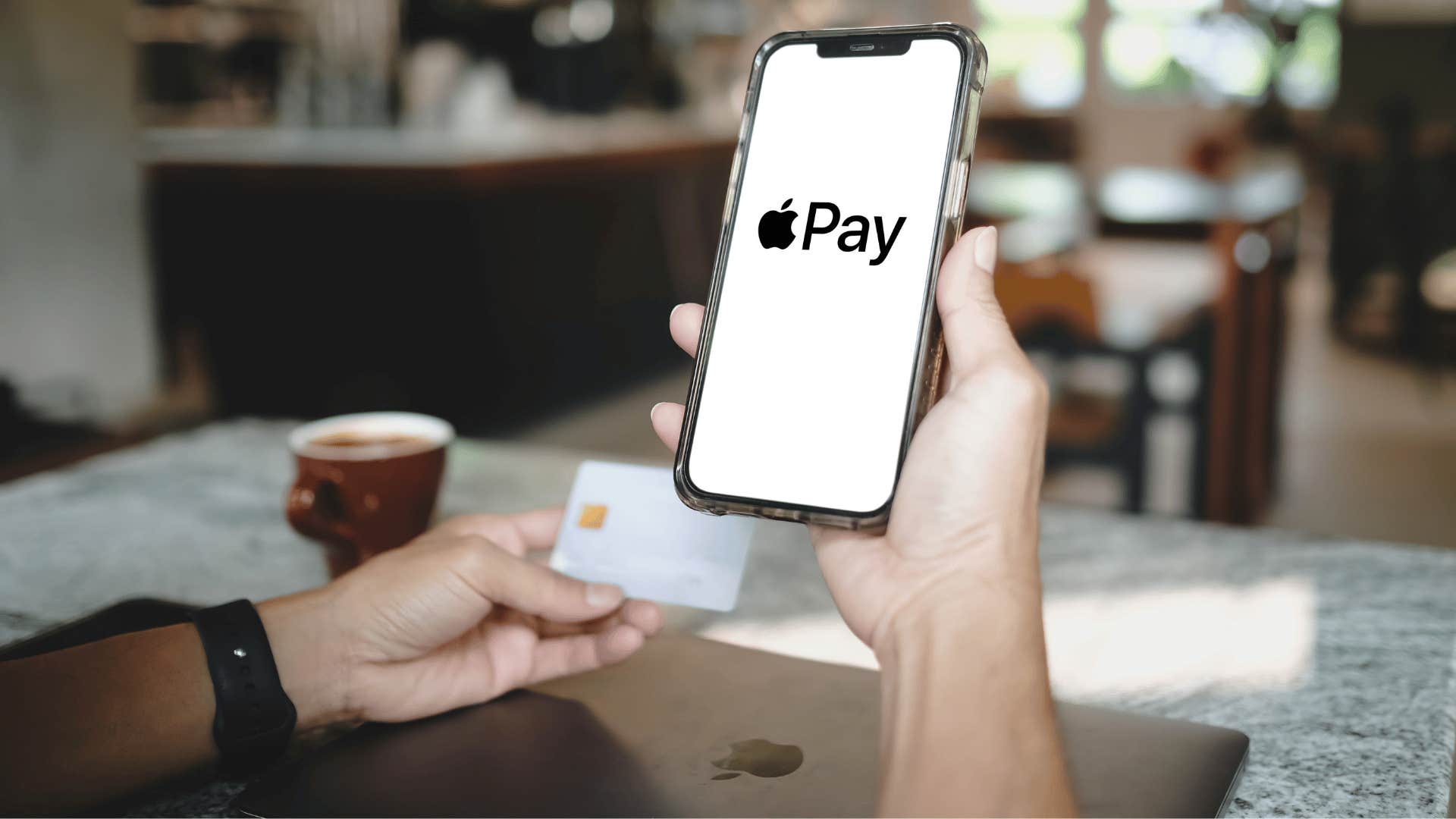
Apple Pay might've come out in 2014, but it wasn't nearly as popular as it is now. At the time, everyone thought it was crazy that tapping your phone would somehow replace your wallet. But according to the Federal Reserve, "The pandemic may have helped to spur growth of innovative payment methods, such as in-person contactless card, digital wallet, and P2P payments."
Now, as of 2026, Apple Pay is everywhere. People aren't as dependent on their wallet as they once were. In an entirely new era since 2016, it's borderline insane that we use Apple Pay for pretty much everything.
2. Getting Amazon packages delivered every day
 Tads Images | Shutterstock
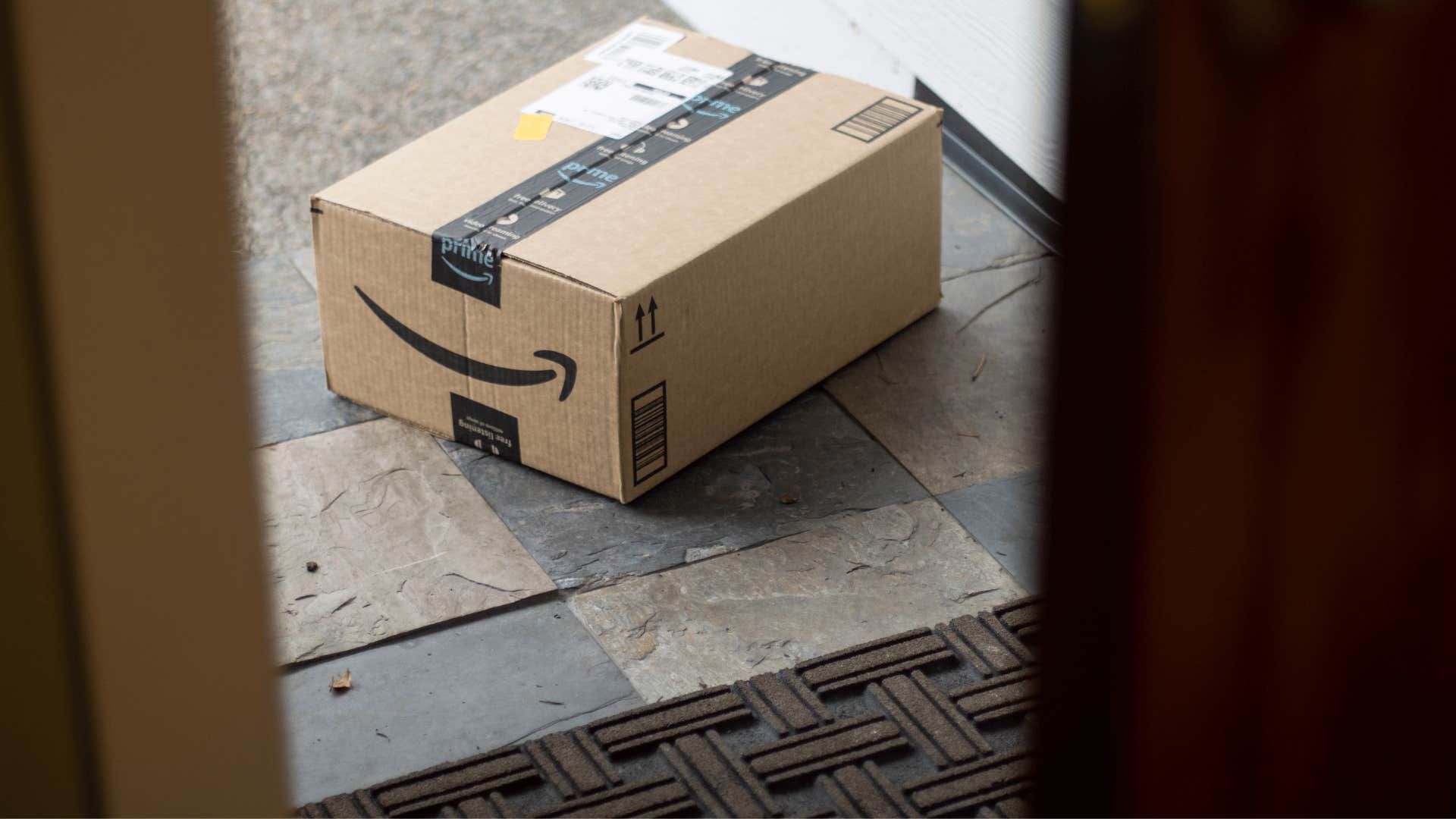
It wasn't abnormal to have packages delivered in 2016. But now Amazon is so much more than just random stuff you need and don't feel like hitting the store for. It's groceries, prescriptions, furniture, and even tiny homes. Every second, around 231 packages get delivered by Amazon.
In 2016, this would've seemed unbelievable, but getting Amazon packages delivered every day is now the norm.
3. Paying a monthly fee for everything
 Prostock-studio | Shutterstock
Can we all say it? The monthly subscription has gotten out of hand. At this point, if they could, they'd probably charge you a monthly fee to breathe. It's ridiculous how much subscriptions rake in. Your TV, music, doorbell camera, cloud storage, and fitness apps all demand more of your money. However, it wasn't like this in 2016.
Back then, parents were clambering to sign up for Netflix. In their head, the monthly subscription cost made sense. Why pay that much for cable when Netflix was way cheaper? But as more time passed, subscriptions became more expensive. Now, spending $100-plus on basic entertainment would send 2016 us into a frenzy.
4. Working from home in your pajamas
 Pixel-Shot | Shutterstock
Before the pandemic, working from home was a fantasy. For better or worse, we had to socialize with co-workers and spend hours stuck in rush-hour traffic. But after 2020, life changed dramatically. Now, remote work is almost standard.
When it first started, working from home was a Godsend, but after a while, some people found it pretty isolating. As much as we hate to admit it, social connection is a fundamental need. That's why 2016 us couldn't imagine how isolating it is nowadays.
5. Self-driving cars
 metamorworks | Shutterstock
In 2016, most people didn't think much of their cars. Once they bought it, they only cared about how long the car would last. But now, in 2026, people are looking into self-driving vehicles. We might've heard whispers about self-driving cars, but in 2020, the Beta version was finally released. And today, they are on the roads.
Back then, people were pretty apprehensive. They couldn't imagine trusting a vehicle with their life. Now, in the year 2026, sleeping while letting your Tesla drive has become more common. While it isn't fully accessible, we certainly aren't shocked by the notion.
6. People asking AI for life advice
 Yarrrrrbright | Shutterstock
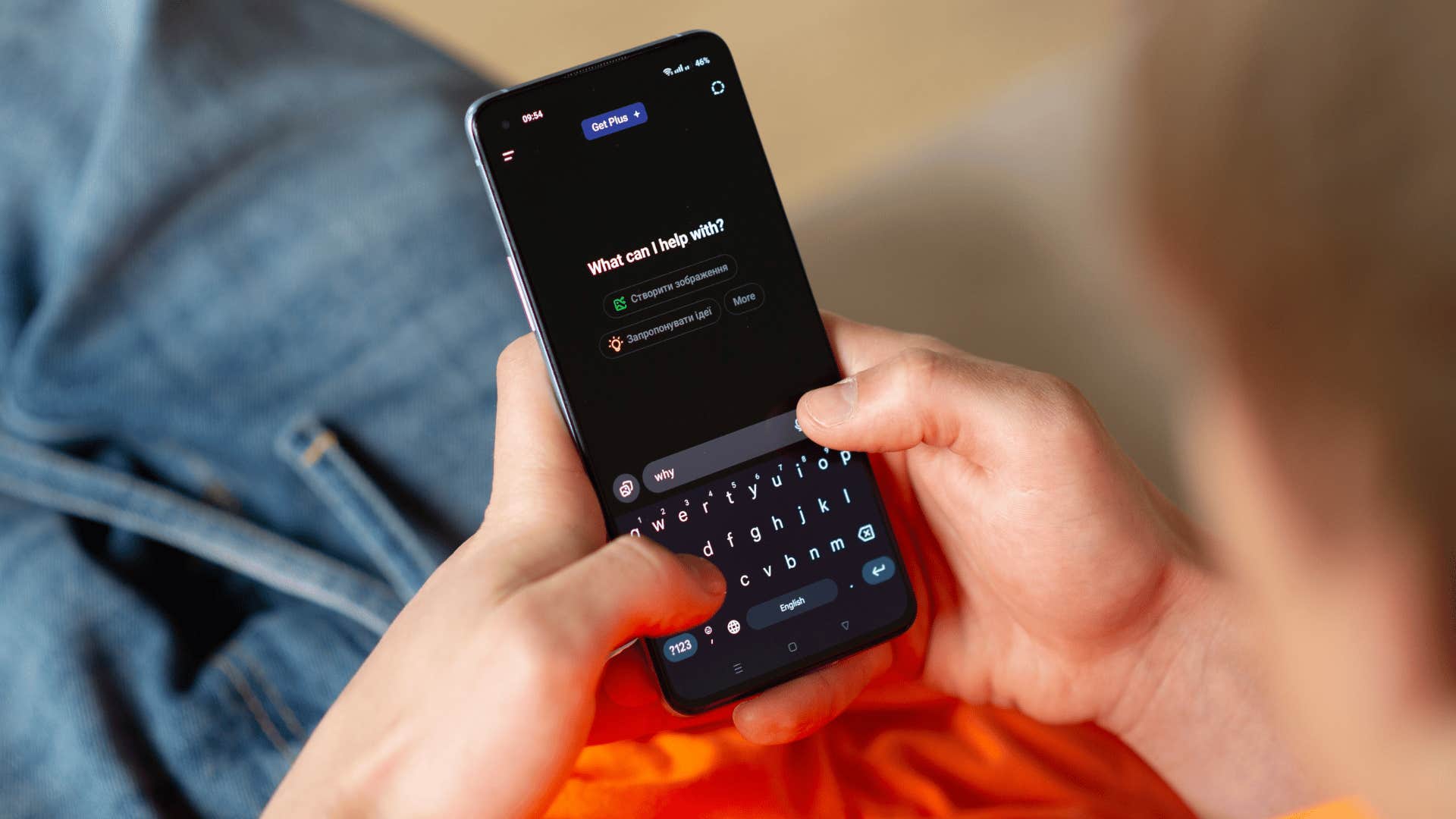
Back in 2016, people didn't chat with AI bots for hours to help them with their problems. They went to trusted friends or a professional.
But now, a decade later, life has changed. People don't want to pay $80 to sit in an uncomfortable chair. They don't want to ask friends or family for help.
And with the rise of OpenAI, they no longer have to. Unfortunately, it's not the solution people might think it is. In fact, it can be incredibly dangerous.
People now talk to AI about everything. They can ask questions and get unlimited advice in record time. And while folks may be criticized on the internet for it, the truth is that asking AI for life advice is now the norm.
7. Getting your news from a thirty-second video
 Dusan Petkovic | Shutterstock
In high school, you were constantly nagged to cite your sources for research. You couldn't just spit out a random fact and expect people to believe you. To be taken seriously, you had to read the information for yourself. But that was back in 2016. In 2026, people have made it a habit to get their news from a thirty-second video.
Why fact-check when you can mindlessly scroll to the next video? What's worse is that social media platforms are going hands-off when it comes to their personal responsibility around what's real and what's fake.
It sounds bizarre, but the way we consume news has changed. In an age of short attention spans, most people won't bother fact-checking information they consume.
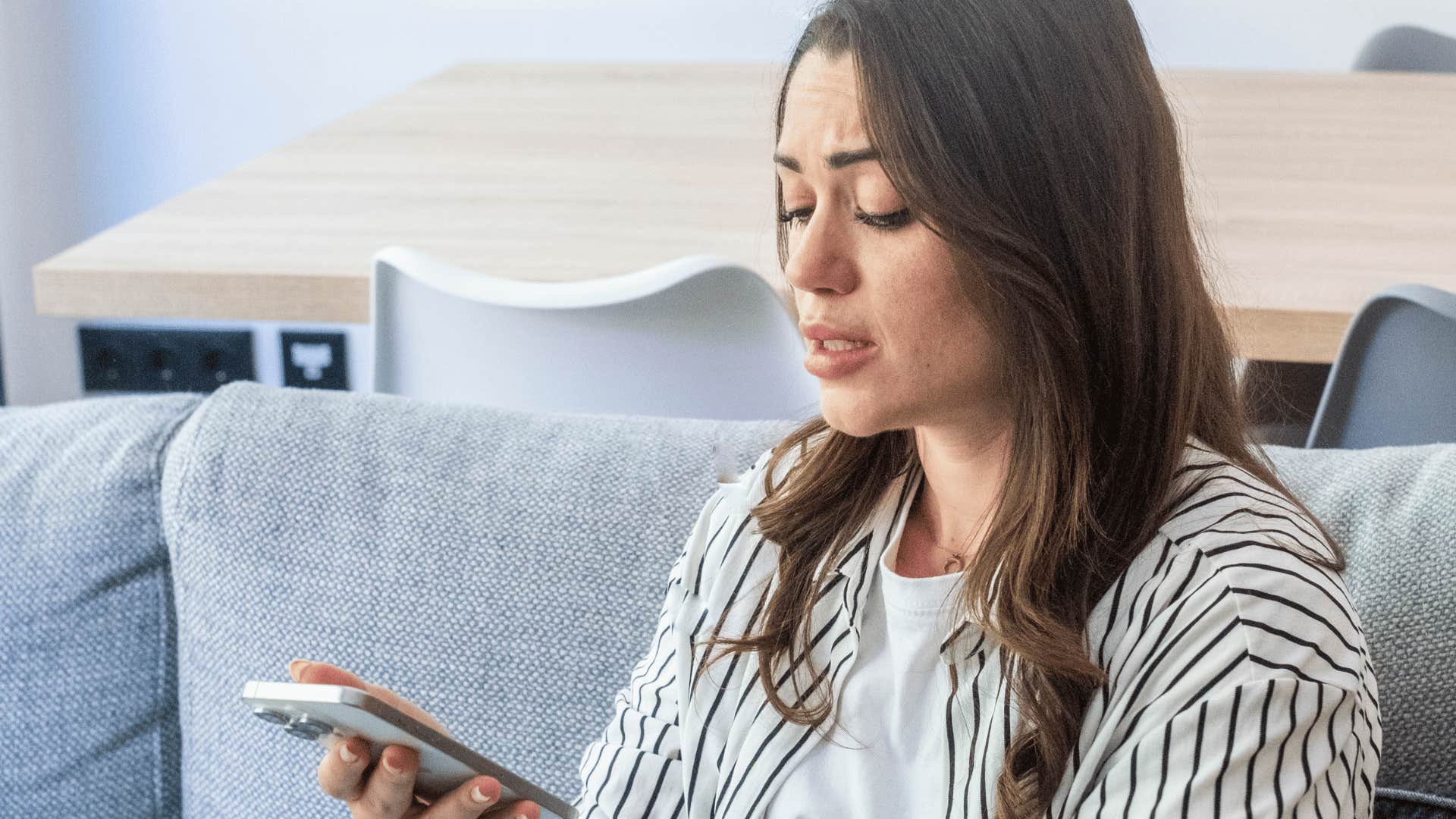
8. Treating fictional AI characters like real-life romantic partners
 simona pilolla 2 | Shutterstock
The loneliness epidemic is real. In a survey in 2019, Pew Research Center reported that 31% of adults were single. And while there's nothing wrong with being single, there's a huge loneliness epidemic on the rise. People aren't getting their social needs met.
That's probably why treating AI characters like real-life romantic partners has become the norm. It isn't healthy, but people swear it's better than going on another Tinder date. Instead of taking a chance, people find it safer to stay indoors and socialize with something that doesn't exist.
But an assistant professor in the clinical psychology program at Columbia University, Ayorkor Gab, Psy.D., said, "However, while these tools may provide pseudo-connection, relying on them to replace human connection can lead to further isolation and hinder the development of essential social skills."
Marielisa Reyes is a writer with a bachelor's degree in psychology who covers self-help, relationships, career, family, and astrology topics.
