
People Who Felt Loved As A Kid But Not Emotionally Known Usually Have 6 Habits As Adults
 MART PRODUCTION | Pexels
Being emotionally known means having someone who understands your emotions and helps you work through them.
For kids who grew up feeling loved by their parents, but at the same time didn't feel completely understood, it's devastating. And as adults, they take that internalized sense of being unlovable and let it overwhelm them.
Habits people have as adults when they felt loved as a kid but not emotionally known
1. They close themselves off from genuine connections
 Kris Voronova | Shutterstock
Emotions and vulnerability can feel dangerous or unsafe to people who weren't emotionally known as a child. This is because their parents taught them that emotions were things that adults didn't touch, and they internalized this.
Dr. Jonice Webb, a clinical psychologist, explained, "All children need emotional validation and nurturance from their parents. As a child, you naturally looked to your parents, over and over again, for those things. And, as a child, over and over again, you were disappointed. Eventually, you learned that there was no water in the well and stopped seeking it."
Dr. Webb went on to say that because a person's parents discouraged their emotions, it's difficult for them as adults to value any feelings. And because of that, it's easy to reject any form of love they experience, like friendships or romantic relationships.
2. They struggle to follow through with their goals
Without help from parents supporting a child through uncertainty, people struggle to follow through with their goals later in life. They weren't offered support, so they never figured out how to be sure of themselves.
Parents that don't work to emotionally know their children don't take steps to encourage them when they're upset or offer praise when they succeed. So, it's harder for them as adults to not feel overwhelmed by their ambitions or emotions, or see their response as disproportionate to the situation.
3. They have trouble setting boundaries
People that experienced parents not truly understanding them in childhood fear the same thing in adulthood. Feeling like their big emotions were something of a burden was painful, and it's something they don't want to feel again.
So, they make sure of it by keeping themselves small and easy to handle. They appease everyone by ignoring their own limitations and asserting their needs, despite knowing how essential it is to set boundaries in the first place.
4. They're people-pleasers
Because some parents aren't trying to know their children deep down, those kids understand it as their emotions not being what makes their parents happy. Children see the world in black and white, right and wrong. So, when their parents shy away from them because their emotions are too much, they internalize that as being the problem.
"Children are remarkably adaptive. When emotional needs are not fully met, they frequently adjust their expectations rather than challenge the environment. This allows them to maintain a sense of stability within the family. But those adaptations can become limiting in adulthood," psychologist Mark Travers warned.
When kids grow up feeling this way, they develop people-pleasing tendencies. They learned that keeping the peace was what made everyone feel good, and that's what's important to them.
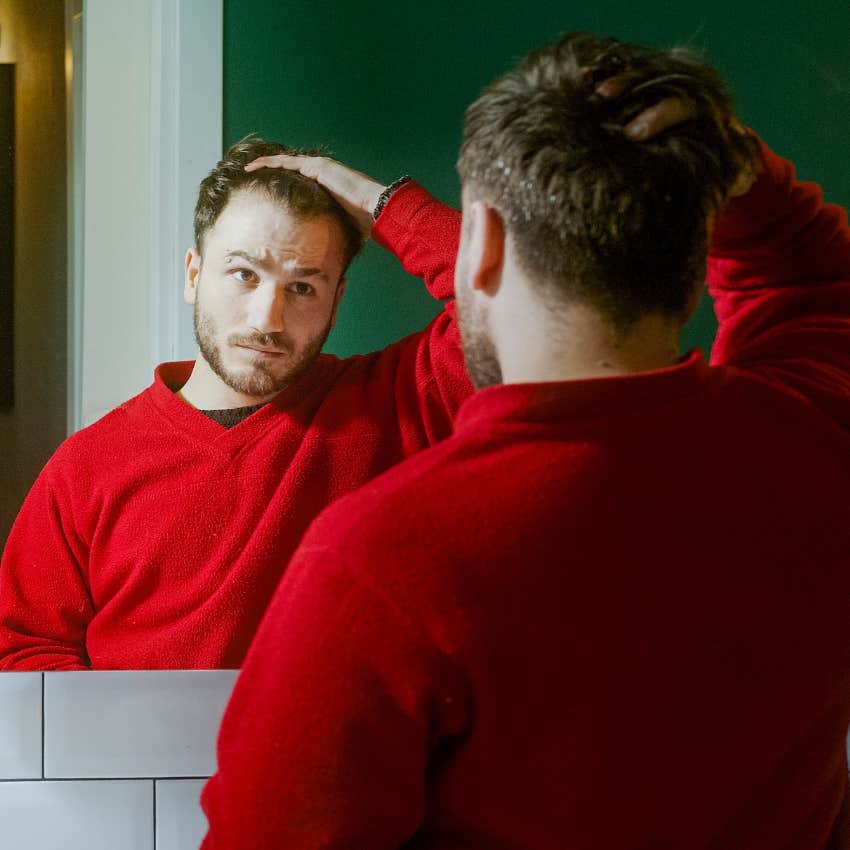
5. They're their own worst critic
 Mahir KART | Shutterstock
Without a parent's regular support, a child can easily fall into a trap of self-doubt. People can't develop the ability to self-regulate without being shown how. Parents are meant to teach their kids to be kind to themselves, as well as others.
But a parent that doesn't actually understand their child or what they need can't explain these essential life skills.
Terri Cole, psychotherapist and relationship expert, revealed, "For survivors of childhood emotional neglect, harsh criticism of yourself might feel natural. When you don't receive effective and consistent attunement and validation, it can deeply impact the way you view yourself and how you talk to yourself."
6. They have a hard time making decisions
When a child has parents that, yes, love them deeply, but don't truly know their authentic selves, it affects their decision-making skills as adults. Whenever they would make choices as a kid or express themselves, their parents shut it down.
So now, in adulthood, every decision seems really hard and life-altering, even when it's not. It's all because their early life experiences have changed the way their brain works.
Lyss Micalizzi is a writer covering human interest and pop culture topics, with a master's in Literature and Culture, a bachelor's in English Literary and Textual Studies. Lyss has over six years of writing and social media experience.
