
Kids Whose Parents Never Played Games With Them Or Had Any Fun Carry 5 Habits Into Adulthood
 Koldunov | Shutterstock
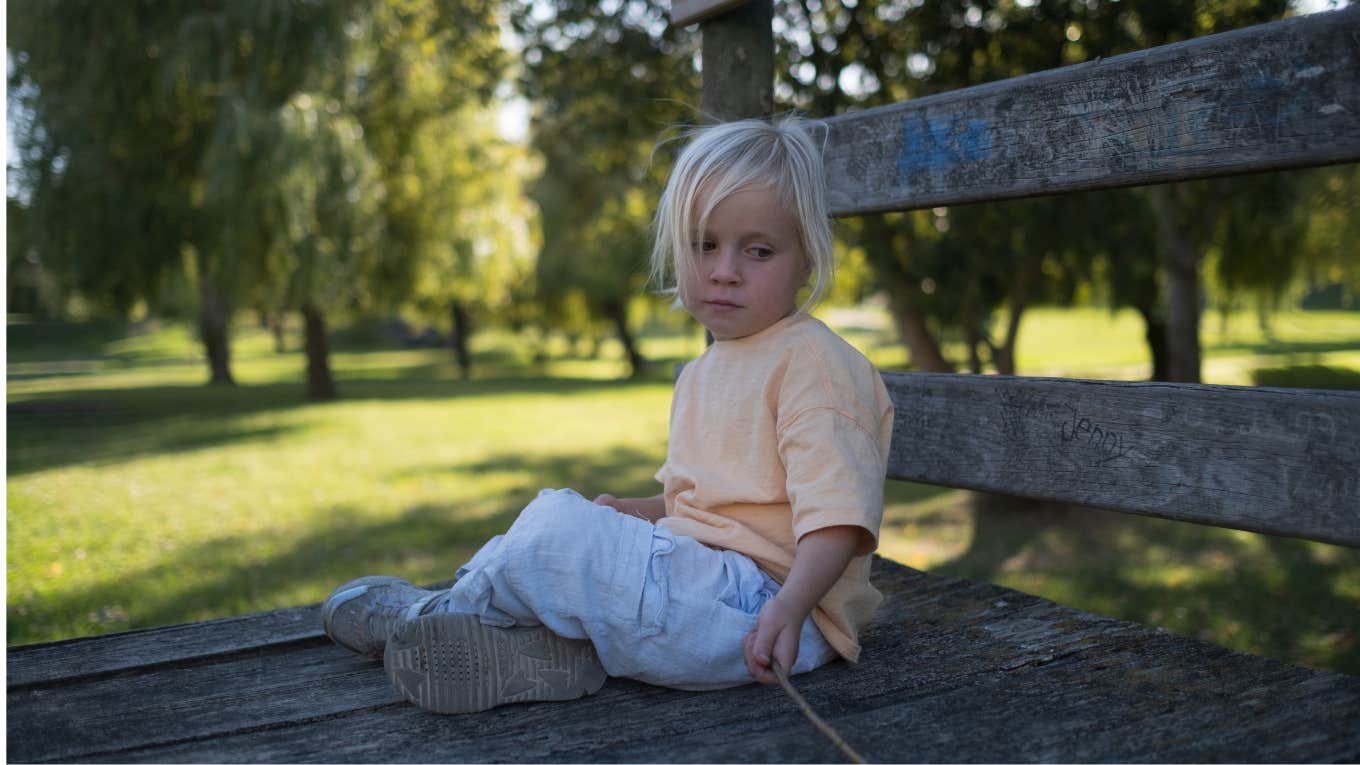
 Children who grew up with parents who were too busy and too serious to spend time having fun and playing with them often struggle with proper emotional and neurological development.
To cope, these kids often develop bad habits that they carry with them as they grow up. Of course, parenting can't be all fun and games, but it shouldn't be none either because play is a fundamentally important part of childhood development.
Habits kids whose parents never played with them carry into adulthood:
1. They are uninterested
 Andrii Iemelianenko | Shutterstock
Play is linked to all kinds of childhood development, even brain development. According to Childcare.gov, "Children learn to think creatively by using their imaginations and pretending, develop critical thinking skills through problem-solving, learn about cause and effect, and build memory skills."
What that means is that when kids are encouraged to play and have fun, they become curious. Curiosity is the foundation of learning and intelligence.
When parents don't actively support the development of curiosity through play, kids become disinterested, and that lack of curiosity will follow them as they grow up.
2. They doubt their abilities
Playing with your child builds their self-esteem. When children finish a puzzle by themselves or come up with creative rules for a made-up game, it gives them a sense of accomplishment and competence.
Christina Pay, an assistant professor at Utah State University, explained, "As they explore and master challenges, they build new competencies and skills which enhance confidence and build resilience, both of which are needed to help them face future challenges in life."
Without parent-assisted play, children don't learn to take pride in themselves and what they have accomplished, which can lead them to doubt their own abilities. This lack of self-confidence will carry with them into adulthood and impact their relationships and professional success.
3. They don't know how to handle emotions
 antoniodiaz | Shutterstock
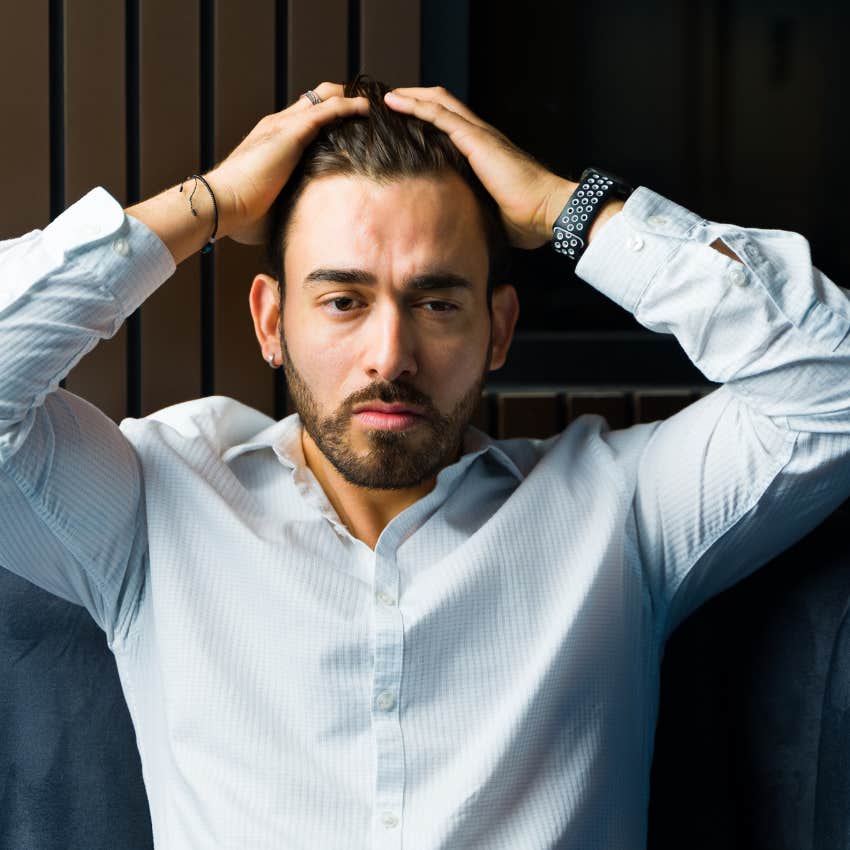
When parents get silly with their kids, it teaches them how to have fun and relieve stress and anxiety. Not only that, but giving a kid the opportunity to play when they are feeling big emotions helps them work through those feelings in their own way.
Unicef noted that, "When you’re enjoying fun moments and laughing together, your body releases endorphins that promote a feeling of well-being." These endorphins help lower stress levels. Adding, "Play gives them a way to express things they are struggling with that they don’t yet have the words to fully explain."
Fun and play teach emotional regulation. It's how kids learn to lose with grace and embrace their joy.
4. They have social anxiety
Play helps kids learn how to navigate social situations. The University of Greater Manchester noted, "Playdates and group games are about more than just having fun. Children learn negotiation, cooperation, understanding perspectives, and conflict resolution."
Kids who never played with their parents often pull away from their peers because they don't know how to talk to them. They don't know how to share or stand up for themselves, and they don't understand the basics of engagement.
As they grow up, kids who never learned basic social skills will become adults with social anxiety. They'll self-isolate even if they want to be around others simply because they don't know how to act.
5. They are untrusting
 Svitlana Hulko | Shutterstock
Play strengthens the bond between parents and children. All kinds of play give kids fond memories with their parents and help them know this person is safe to talk to about anything they want.
A lack of play in your parent-child relationship can create a rift. Play is when kids learn to trust and open up. Without that sense of fun, it's hard to associate love with anything other than discipline and structure.
Adults who struggle to trust others will struggle in all their relationships, which can result in mental health struggles from loneliness.
Lyss Micalizzi is a writer covering human interest and pop culture, with a master’s in Literature and Culture, a bachelor’s in English Literary and Textual Studies, and over six years of writing and social media experience. Their work is driven by the belief that stories are what make us human.
