
Kids Raised In The 70s, 80s & 90s Mastered 7 Basic Survival Skills Modern Parenting Pretty Much Eliminated
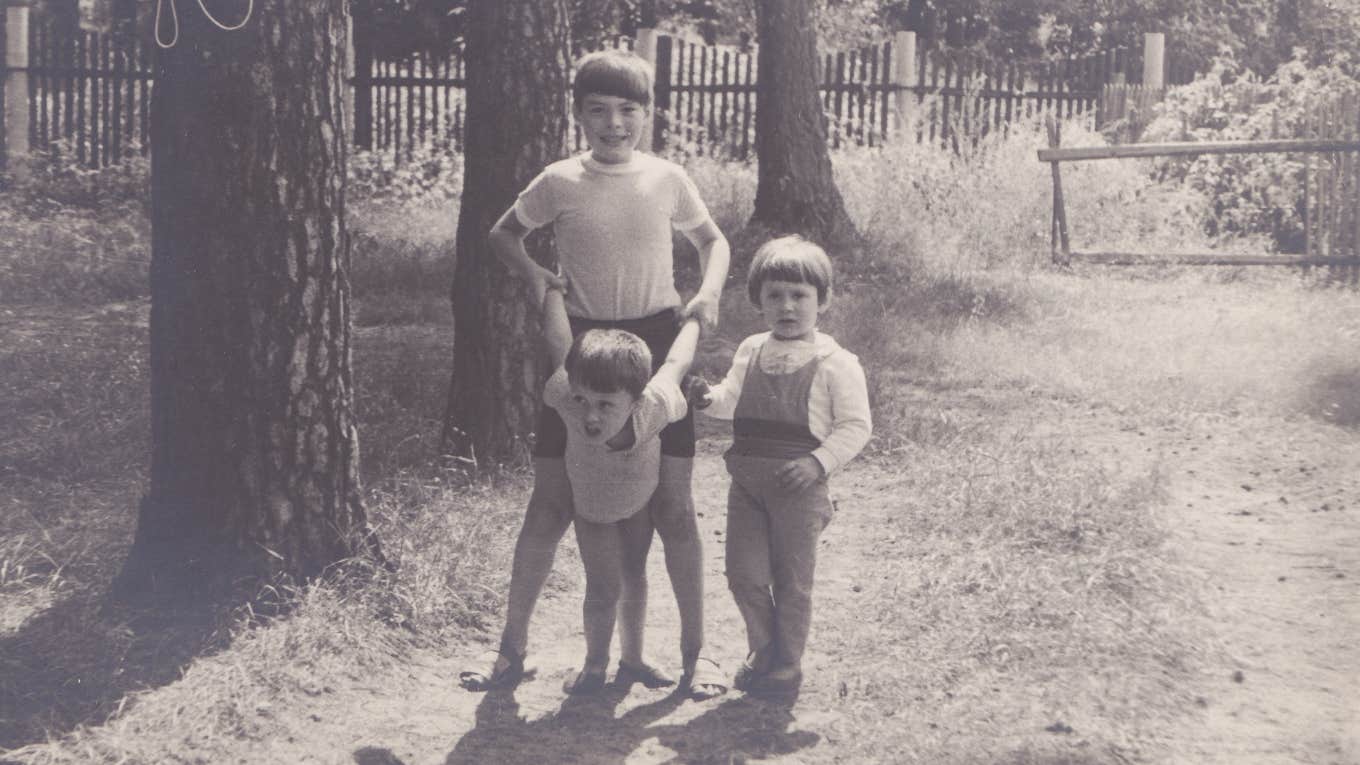 fotoak | Shutterstock
 Nearly half of parents today helicopter their kids mainly because of their own upbringings, which were largely hands-off. Unfortunately, all that hovering has robbed kids of basic survival skills that were common in decades past.
Compared to kids raised in the '70s, '80s, and '90s who were out on their own and mastering independence through trial and error, modern kids are coddled and need much more support. The life skills that were common before modern technology are now pretty much gone, but they were the mandatory learning for Gen Xers, millennials, and even some young boomers.
Basic life skills kids raised in the '70s, '80s, and '90s mastered that modern parenting has made obsolete:
1. They learned to assess risk when they were in public without adults
 Jayakri | Shutterstock
Gen Xers were coined the latchkey generation because they spent most of their time on their own, without parents to supervise and guide them through daily life. Whether it was running errands on their own or talking to strangers while commuting to school by themselves, they learned how to survive in public on their own.
That also meant they had to make mistakes and learn to assess risk without much supervision. From understanding what places and people they shouldn’t interact with to learning social etiquette, these are the survival skills that kids learned through practice.
However, for modern kids with overprotective, anxious parents, it’s not surprising that this sink-or-swim mentality is largely gone. Their parents don’t even want to put them in a situation where they might get hurt, so they supervise and step in far more than their own parents did.
2. They could get around without the help of GPS or a phone
While navigating without an app wasn’t a choice for these kids, it was a survival skill that gave them freedom kids today just don't understand.
If their phone breaks in the middle of nowhere, it's not an emergency. They know how to read a paper map or get around using a very basic sense of direction. Tell a kid they need to go North to get somewhere, and they might look at you like you have three heads.
3. They had cooking skills and were trusted to feed themselves
While plenty of young people today do know how to cook, modern parents and overbearing parents haven’t exactly supported their ability to learn. They might cook and prompt kids to watch, but in reality, children learn by doing, especially when it comes to cooking.
Older generations cooked for their siblings and families without much supervision, and they were trusted not to burn down the house. There was no DoorDash, so they fed themselves. Kids today are capable, but they don't need to learn, so they don't.
4. They learned how to handle hardship
 New Africa | Shutterstock.com
Life can be pretty unfair sometimes, and kids who grew up in the '70s, '80s, and '90s weren't shielded from that fact. They were raised to face difficult times head-on, which meant they didn't always have a safe space to ask for help or express their emotions. If they failed a test or forgot to get a permission slip signed, they faced the consequences without turning to their parents to fix it.
That created a sense of responsibility that isn't as noticeable with young people today. That's why you see Gen Z turning to their parents for help with everything from a job interview to navigating school.
5. They learned how to think critically and research without the internet
Whether it was combing through encyclopedias or navigating the card catalog at the library, these generations of kids had to learn how to research and read through information to separate fact from fiction. It took patience and effort. They didn’t have a phone in their pocket or a parent to always swoop in and solve their issues.
Of course, that’s why disconnecting from phones early in life protects a child’s mental health. They learn how to be somewhat self-reliant and emotionally regulated, even in the face of discomfort and inconvenience.
6. They learned how to fix broken things instead of buying a replacement
While they didn't have the money to replace a broken toy or a rusted bike, kids who grew up between the '70s and '90s learned how to fix things. Whether out of obligation or a lesson their parents drilled into them over time, the fix-it-first mentality is still a survival skill in adulthood.
Compared to young people driven by convenience and ease today, it’s not surprising that this survival skill is slowly losing its popularity.
7. They managed their own time and schedules
 pics five | Shutterstock
While incredibly busy kids today often have parents collecting and managing their schedules, old-school households took a much different approach. Kids were responsible for their own time and obligations, whether that was doing chores or completing their homework on time. They didn’t have a supervisor.
As adults, this self-reliance is a survival skill, at least to some extent, whether in their personal lives or the workplace. They don't forego responsibilities because they'd rather spend time scrolling the internet.
Zayda Slabbekoorn is a senior editorial strategist with a bachelor’s degree in social relations & policy and gender studies who focuses on psychology, relationships, self-help, and human interest stories.
