
Kids Raised By Mentally & Emotionally Distant Parents Usually Carry 6 Habits Into Adulthood
 Alinute Silzeviciute | Shutterstock
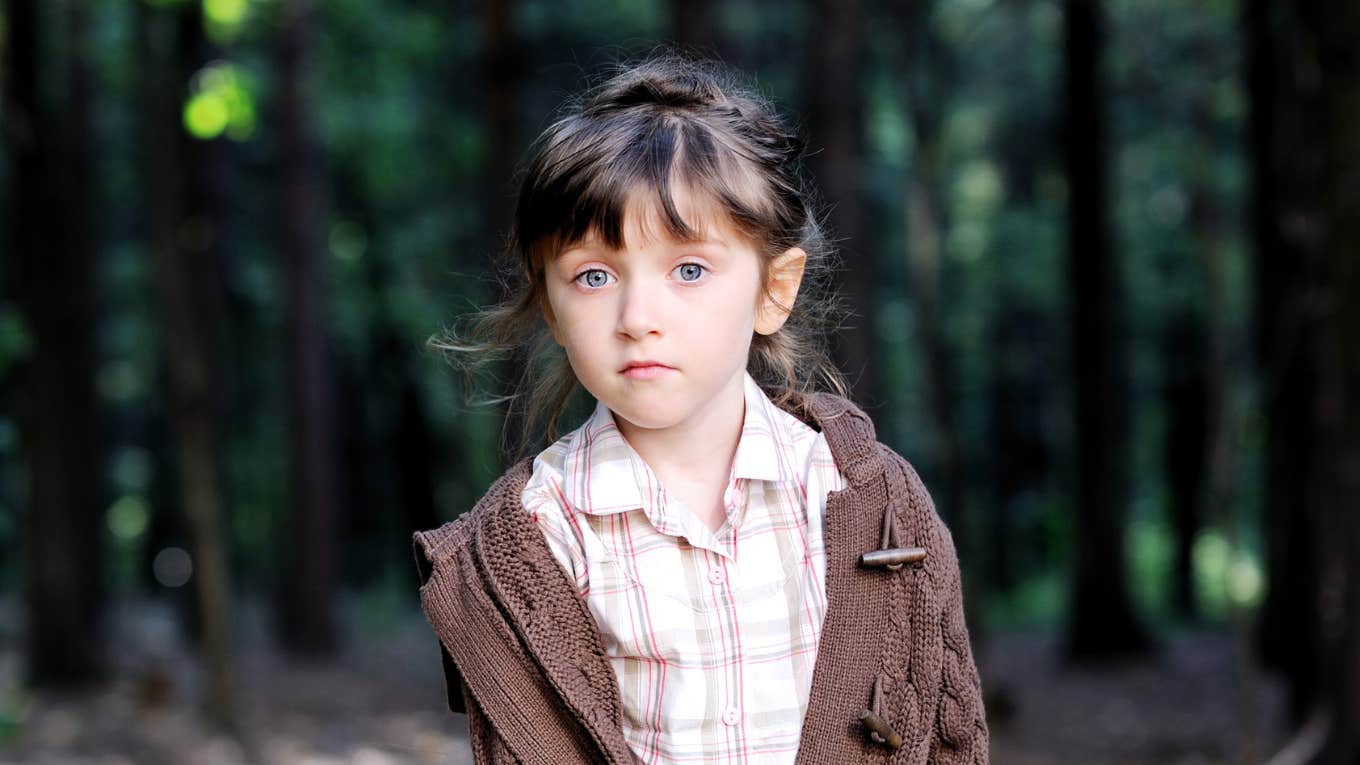
 Some parents, while physically being there with their children, may not be emotionally present. This results in kids developing lifelong habits that are actually just coping mechanisms for the mental and emotional distance they experienced growing up.
Having emotionally closed-off parents can mess with a child's ability to regulate their own emotions. From self-esteem and confidence issues to suppressing their own emotions to avoid feeling like a burden, these habits, when left unchecked, can become unhealthy traits that mess with everything from relationships to professional success.
Habits kids raised by emotionally closed-off parents carry with them into adulthood:
1. They talk negatively about themselves
 shurkin_son | Shutterstock
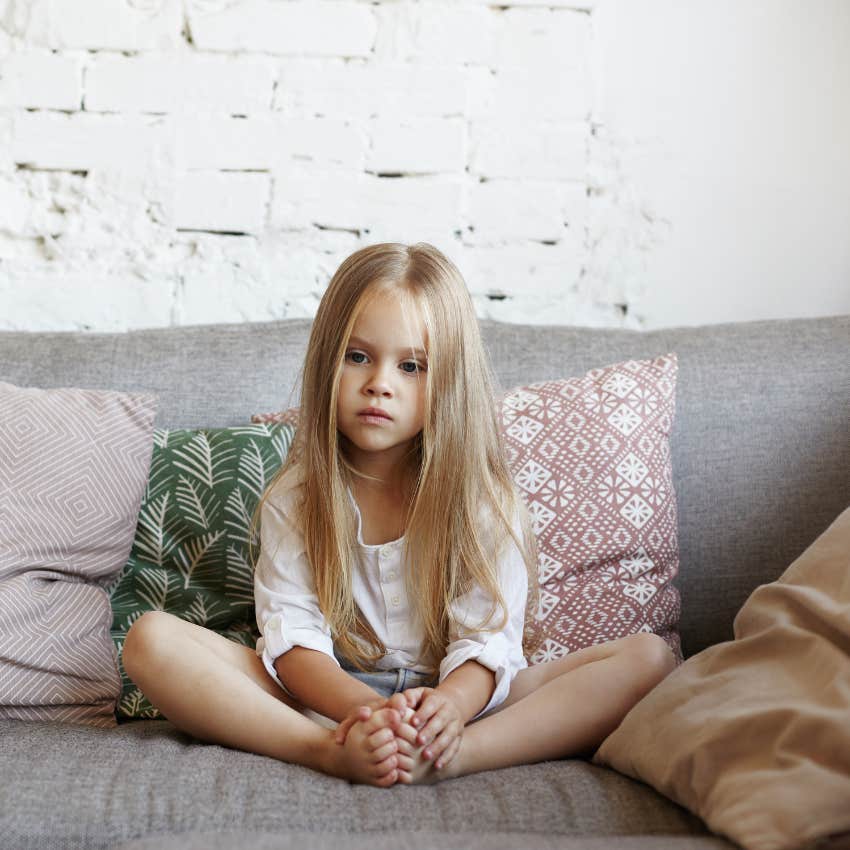
Kids who grew up with emotionally distant parents tend to have low self-esteem. The safety and love they needed in those formative years were missing, and instead of growing up with a strong sense of self, they grew up feeling less than.
When a parent offers emotional support, it helps kids accept their emotions and regulate themselves when they feel out of control. However, when they don’t have this, they instead learn to bottle everything up. They were never taught how to handle failure or rejection, so they take things personally. This results in seriously negative self-talk as adults.
2. They suppress all their feelings
Kids with emotionally closed-off parents were never taught how to process or communicate their own feelings growing up. Therefore, as adults, the only thing they know is to suppress them as much as possible.
Emotionally distant parents tend to dismiss their children’s feelings, writing them off as too sensitive. Inevitably, these kids grow up to be adults who believe that their emotions are a burden to others.
3. They people-please
 Andrii Iemelianenko | Shutterstock
Another habit that children with emotionally distant parents learn is to people-please. Since they were taught from a young age that their feelings were a hindrance, they learn to hide their true emotions, and as they grow up, they pretend to be accommodating even when they don't feel it, because they don't want to be dismissed as a handful.
People-pleasing is a habit that puts other people’s needs above their own. For example, when picking a place to eat, they won’t just say what they want; they make the other person decide. This is unhealthy because it’s important to learn to advocate for yourself. It's easy to get overwhelmed and burned out when you don't ever prioritize your own wants and needs.
4. They tend to enter into unhealthy romantic relationships
Experts say that emotionally unavailable parents can cause their children to have unhealthy romantic lives. A 2008 study found that for teenage girls with emotionally unavailable parents, romantic relationships are linked to increased levels of depression.
Kids need to learn how to have healthy relationships from the adults in their lives. When adults can model healthy communication and emotional responses in their own relationships, that's all kids will understand about love and respect.
5. They get overwhelmed by stress
There is a direct correlation between stress levels and parents’ emotional availability. It's impossible to learn how to handle stress when you have parents who don't model healthy coping mechanisms.
In childhood, it's easier to hide, but with age, stress gets worse, and not having an outlet for that can be detrimental to mental and physical health.
6. They are easily influenced
 Jose Calsina | Shutterstock
Since kids who grew up with emotionally unavailable parents constantly felt the need to fit in, they may have made questionable decisions depending on who they were trying to be friends with or impress. That continues into adulthood.
In an effort to find connection and acceptance, they will go along with others even though, deep down, they know they aren't making good decisions.
Sophie Bagheri is a writer with a bachelor’s degree in English and theatre who covers lifestyle topics.
