
Kids With Mentally & Emotionally Unreliable Parents Carry 8 Protective Habits Into Adulthood
 Ali Pazani | Pexels
 Not being able to trust that their parents will show up, physically and emotionally, takes a toll on kids.
Meanwhile children whose parents are invested in their lives and are reliable when they're supposed to be give their kids a leg up in life. The rest are left with all sorts of protective habits in adulthood, lingering from a childhood where they tried to meet their own needs and avoid disappointment.
Protective habits kids carry into adulthood when they're raised with unreliable parents
1. They stick to what they know
 Perfect Wave | Shutterstock
Kids with a healthy support system at home are more likely to succeed. It's not just because they feel parental warmth and encouragement, but because they feel comfortable making mistakes and exploring without fear.
On the other hand, children with less reliable parents take fewer risks, clinging to comfort even later in life at the expense of their personal growth.
"If you're in a resource-rich environment... you're safe, your meals are coming, someone is at home for you, you're surrounded by adults that are protecting you... you'll try new things," psychology professor Seth Pollak argues in the study. "And that's how you discover and learn about the world."
However, when kids feel like they can't make a mistake or rely on their parents to help them grow, they end up as stagnant adults who cling to their comfort zones for fleeting relief.
2. They self-isolate
Kids who are used to being alone and relying entirely on themselves for a feeling of security will often self-isolate later in life to cope with anxiety and stress. They prefer not to rely on anyone else for comfort, because expecting that only brought them disappointment.
Now, when something goes wrong, or they're stressed about a relationship, going inward or self-isolating is how they protect themselves from being reliant on someone else.
3. They cling to independence
Stemming from adversity and disappointment with unreliable parents at home, hyper-independent children are usually trying to protect themselves in adult relationships from a similar experience. Even if it's entirely subconscious, they cling to their independence as a strange kind of evidence that they don't have to give someone else the power to make them feel bad again.
Not only is this kind of self-reliance isolating and lonely for people who use it as a defense mechanism, but it also creates more anxiety. They're trying to control everything in their lives in a completely unreliable, uncertain world, so they're bound to develop more stress and anxiety.
4. They people-please
Emotionally immature people tend to externalize their blame, whether that's shifting it onto someone else or playing the victim. When these people are parents, that creates a complicated environment at home where kids feel more sensitive to their parents' moods and also internalize that blame.
When you spend your entire childhood being the problem or taking blame to make parents feel better, it's easy to assume that's your purpose and role. When the love and presence these kids yearned for came at the other end of people-pleasing behaviors, in adulthood, they become protective tools for grappling with anxiety and loneliness.
5. They don't trust easily
 Photoroyalty | Shutterstock
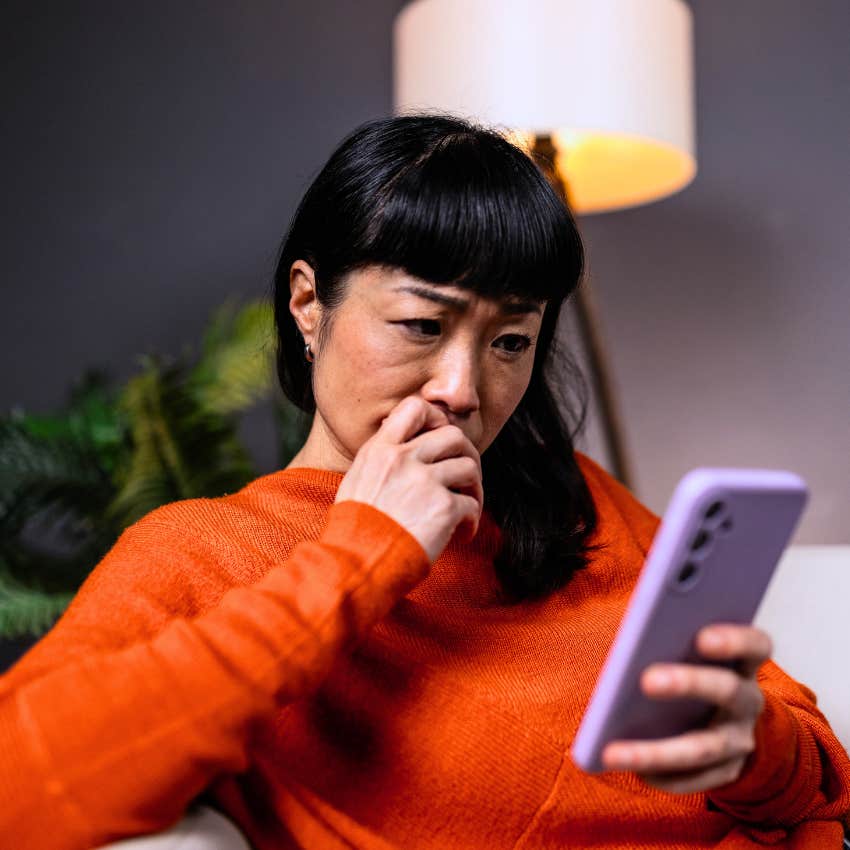
Children who have been mistreated by their parents often develop lower levels of trust in others, according to a 2021 study. Not only that, but they perceive greater threats in other people, sometimes from the most harmless, unsuspecting behaviors.
The people they were supposed to be able to trust the most failed to look after them. Now, they have real evidence with their unresolved trauma that other people will do the same things, especially when they have no family ties or relationship loyalties.
6. They become codependent
Childhood trauma, specifically having neglectful, unreliable parents growing up, is often tied to codependency in kids later in their lives. They've been taught that they have to perform for and prove themselves worthy of bare-minimum levels of attention from their parents, and as adults, that sense of worth doesn't instantly go away.
They still tie loyalty and love to this need for approval, often creating a dynamic where they're entirely reliant on someone else's attention for inner security.
7. They speak negatively to themselves
While it seems somewhat counterintuitive as a protective mechanism, many kids with unreliable parents grow up with a harsh inner critique. If they can reaffirm the beliefs their parents communicated to them growing up before anyone else has the chance, they feel a misguided kind of security.
Much like insecure people over-apologize before it's needed or over-explain themselves to people who don't deserve their attention in the first place, these adult children protect themselves by trying to lower their standards and expectations early.
8. They avoid commitment
 Zamrznuti tonovi | Shutterstock
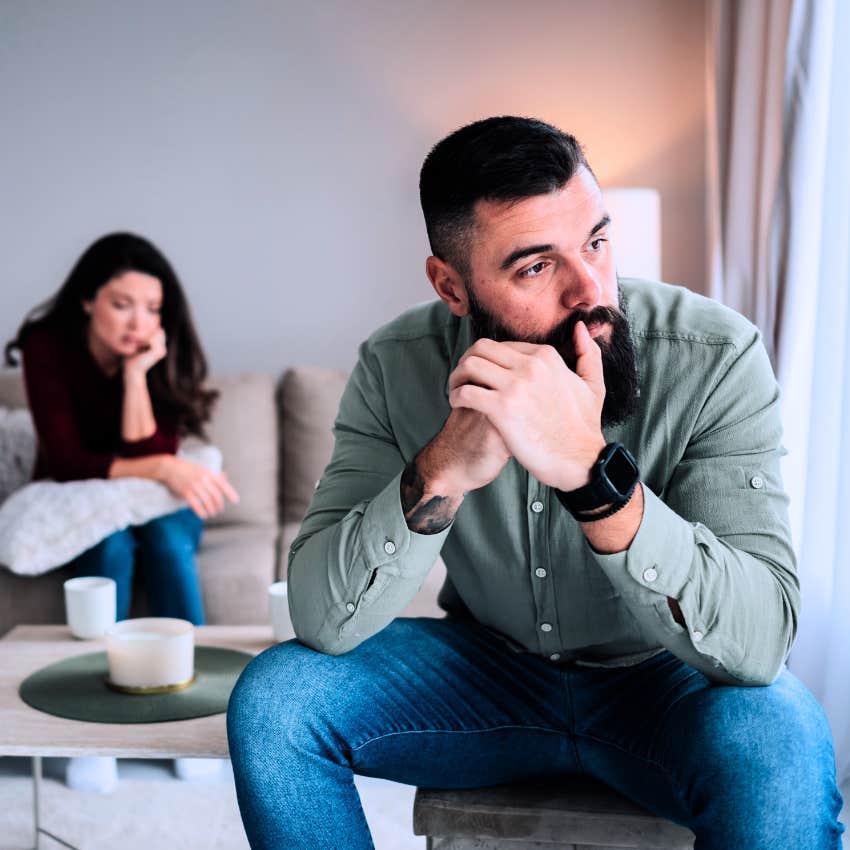
Childhood trauma inherently affects children's attachment styles, altering how they show up and behave in romantic relationships later in life. For kids who learned to expect unreliability and a lack of trust, instead of growing codependent to cope they become less interested in committing.
Why would you let someone in to affect your daily life and sense of emotional security, when you're only ever used to being disappointed by the people who were supposed to take care of you?
Zayda Slabbekoorn is a senior editorial strategist with a bachelor's degree in social relations & policy and gender studies who focuses on psychology, relationships, self-help, and human interest stories.
