
Someone Who Wants Love But Pushes People Away Usually Says 8 Phrases In Casual Conversation
 F01 PHOTO | Shutterstock
 Whether it stems from childhood experiences or painful past relationships, pushing people away just when you start to get close can become a defense mechanism.
If being vulnerable feels scary to someone, they often learn to protect themselves by keeping others at a distance, even when they desperately want that relationship. Certain language people use in casual conversation can expose how often fear gets in the way of the love they actually want.
People who want love but push their partners away usually say these phrases:
1. 'I'm fine on my own'
 Gorgev | Shutterstock.com
Hyper-independence is a common defense mechanism for someone who was taught early on that the safest place for them was alone. They were let down by someone they should've been able to trust, and now, clinging to their alone time and control is how their nervous system copes. They want love, but they haven't healed this inner wound, making it hard to let others in.
Their self-reliance becomes a protective shield, which is why they say things like 'I'm fine on my own' or 'I don't need any help,' even when they're lonely.
2. 'I don't want to bother anyone'
According to a 2022 study, anxiety surrounding closeness and vulnerability can be connected to fears of burdening others. These people don't want to get too close, partly because it's uncomfortable, and partly because they don't want to burden others with their issues.
However, this kind of discomfort and openness is what builds a strong connection. Without allowing someone to see your struggles, needs, and emotions, it's difficult to grow closer. That's one of the main reasons these people stay stuck in lonely spirals. They assume others don't want to hear about their emotions, so they keep hiding what they're going through.
3. 'I'll let you know'
By avoiding invitations to social events and self-isolating for immediate comfort, people craving love push people away. It's much easier for them to make excuses and say "I'll let you know," even though they're missing out on opportunities to build connections in the long run.
Unfortunately, the more they turn down invites and stop showing up to commitments, the less people want to extend invitations. Over time, others may stop making an effort because the repeated refusals begin to feel like rejection.
4. 'I need more space'
When someone opens up to them or asks them to share something personal, people prone to pushing others away often create more space. They may even say things like "I need more space" or "I'm too busy" to avoid these conversations entirely.
They don't know how to practice being open and healing their inner wounds, because vulnerability feels like a threat.
5. 'I'm just tired'
 BongkarnGraphic | Shutterstock.com
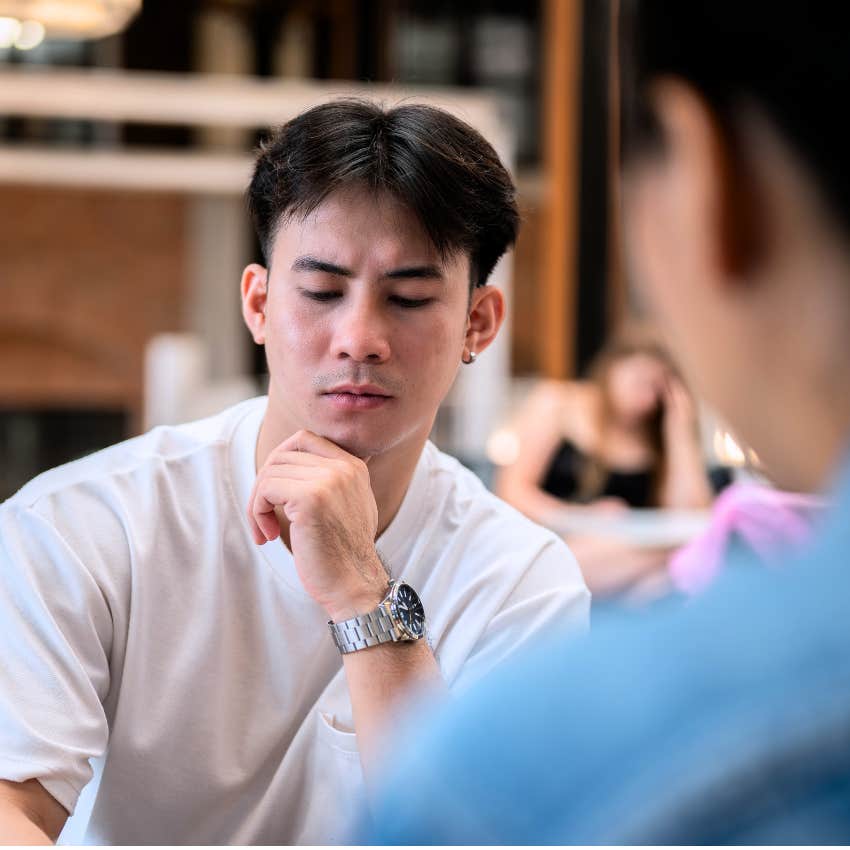
It can be difficult to connect with someone who regularly self-isolates or shuts down because they hide important parts of themselves. They're always running from emotions and making excuses like "I'm so tired" when they don't want to express their emotions, not realizing that this self-sabotaging ritual is pushing people away.
They may convince themselves they're protecting other people's time and energy, not realizing they're discouraging people from spending time in their presence.
6. 'You're just saying that'
On top of being avoidant around true emotional expression and conflict, many people who struggle to make connections also struggle to take compliments and praise. "You're just saying that" is how they respond to nice comments, instead of taking it, expressing gratitude, and letting it build up their sense of self.
When someone gives them a compliment, their discomfort may cause them to dismiss it, even though the other person is trying to say something kind. When someone repeatedly dismisses praise, the people around them may eventually feel less comfortable offering it.
7. 'I wouldn't put up with me'
When someone assumes nobody wants to be around them, their guarded behavior can eventually create the distance they already fear. Other people may sense when someone is uncomfortable with themselves, and repeated self-criticism can make interactions feel tense.
"I wouldn't put up with me" subconsciously places those thoughts in other people's minds, whether they realize it or not. Even in casual conversations with people they've just met, comments like this can undermine a relationship before it has a chance to grow.
8. 'I knew this would happen'
 Mladen Mitrinovic | Shutterstock.com
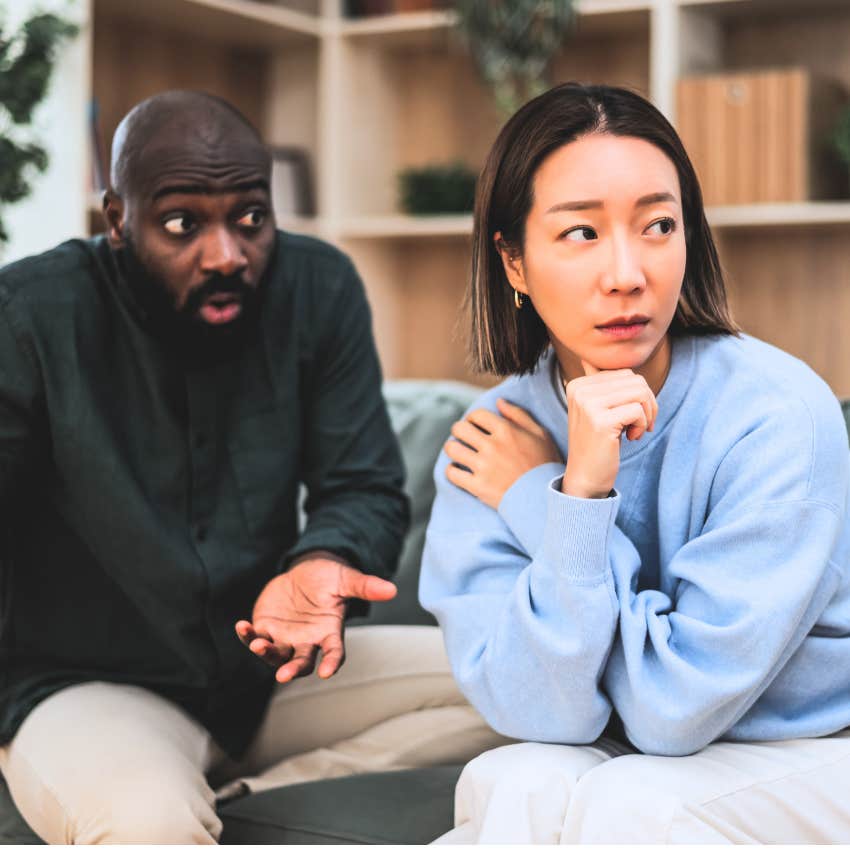
Expecting the worst doesn't do much for anyone, even if it feels like a protective strategy for people coping with unresolved trauma. Saying "I knew this would happen" When someone rejects them or appears to confirm a negative belief they already have about themselves only discourages them further. They feel less confident reaching out and connecting with someone when they expect the worst.
Other people may also notice that the person expects every interaction to end badly. They may feel less comfortable associating with someone who expects rejection and interprets each interaction through that fear.
Zayda Slabbekoorn is a senior editorial strategist with a bachelor's degree in social relations & policy and gender studies who focuses on psychology, relationships, self-help, and human interest stories.
