
Kids Raised In The 70s & 80s Were Fine With 7 Things That Would Get Parents In Trouble Today
 CliveParkerSharp | Shutterstock
 As a Gen Zer, when my mom tells me about her childhood, I'm a little shocked. It’s not that my grandmother was a bad parent. It's that the times were different. There are a lot of things that Gen X and elder millennial kids experienced that would be totally unacceptable for a parent to do today.
I love my grandmother, and I think she did a great job raising my mom, but sometimes I wonder why a lot of what parents thought was acceptable 40 or 50 years ago is borderline criminal today. She was more loose with her rules than she probably should've been. There are a lot of dangerous things my mom did growing up that she could've been seriously hurt by. But at the same time, maybe some of that danger built resilience, but like, let's not bring back all that danger...
Kids raised in the '70s & '80s weren't fazed at all by their upbringing, but parents today would be in so much trouble if they did these things:
1. My way or the highway parenting and a whole lot of yelling
 Bruno M Photographie | Shutterstock
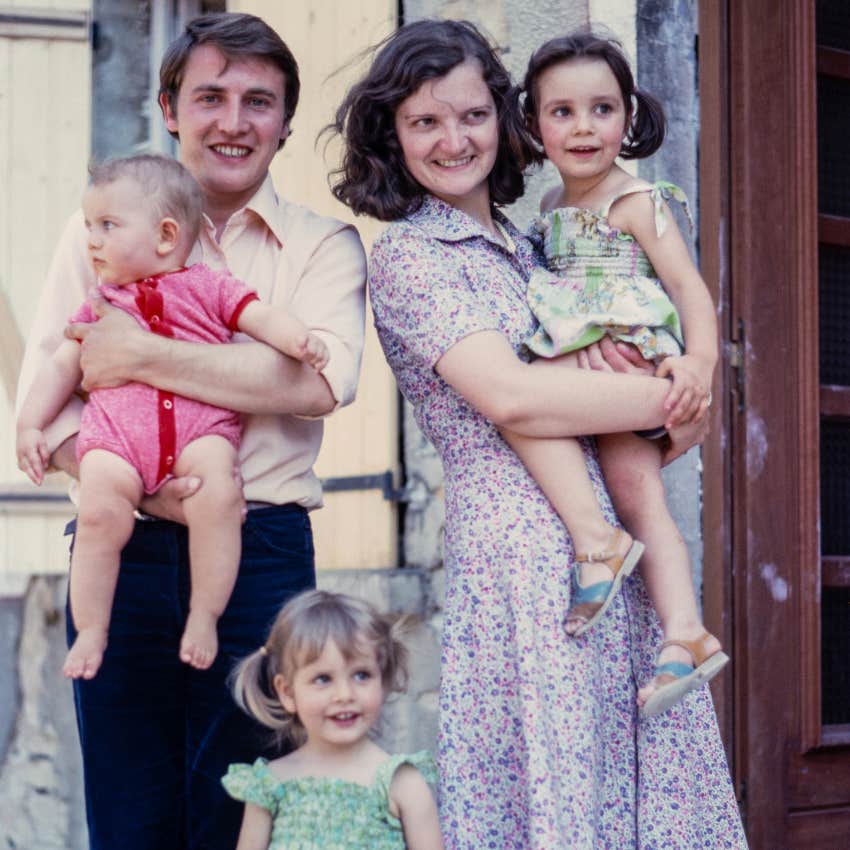
Parents tended to be stricter on '70s and '80s kids than they are today. Ask any 40-plus person you know if they heard the phrase, "I'll give you something to cry about?" They definitely heard it. Here's the thing: for most of those kids, a phrase like that didn't even really scare them. That's because parents were doing a whole lot of yelling and threatening back in the day.
Yeah, that would not fly today. There's a lot more explaining and addressing feelings in modern parenting. And there's a whole lot less, "Wait till your father gets home."
Thankfully, we've all learned a thing or two over the years and realized a gentler approach is better. Kids still have to be told when they’re making a mistake, so they don't touch hot stoves or run into traffic, however. That's why parents have to be careful not to tread into permissive parenting territory. There's a happy place between do what I say because I said so and do whatever you want.
2. High-risk play and toys that were probably not that safe
A lot of the toys kids played with back in the day were more dangerous than their parents realized. Even if they did know, they might have trusted their kids to handle them. That trust was usually misplaced, since many of the toys popular in the '70s and '80s have been recalled.
A lot of kids ended up getting hurt by those toys, sometimes even needing to be hospitalized. Looking at you, lawn darts. Kids would throw these razor-sharp darts up in the air, and the person who got stuck ... let's just say he didn't win.
Needless to say, lawn darts don't make many Christmas wish lists anymore, and that's a good thing. However, most parenting experts would agree that risky outdoor play is integral to development, and it needs to return in a healthy way, not an emergency-room-dart-stabbing way.
3. Getting your mouth washed out with soap as punishment
 Oksana Kuzmina | Shutterstock
Using bad words or talking back to adults was a whole lot more egregious back in the day. It simply wasn't tolerated. That's where getting your mouth washed out with soap came from.
The punishment hasn't exactly vanished. I experienced this tons of times when I was little, but a lot of my friends didn't think it was normal. Is it effective? It's questionable, but a 2010 study out of the University of Michigan found that the concept of "cleaning a dirty mouth" after using foul language makes sense to most people, and they aren't exactly appalled by the notion. But don't we have bigger problems than kids cussing?
4. Ignoring basic safety like seat belts and bike helmets
When I was little, my mom used to tell me about the things she and her family did while she was growing up. They'd take long car rides together, and she and her siblings would play around in the trunk. I thought it sounded pretty great whenever I was forced to wear a seat belt for hours at a time.
Seat belts weren't always a standard feature of cars. Rules requiring car manufacturers to include them were put in place around the mid-1900s, but they didn't make everyone happy. Some people thought they were restrictive and unnecessary. Since they weren't used to them, they didn't see the importance of having their kids wear seat belts either. Although it sounded exciting to me as a kid to not wear a seatbelt, I understand why parents wouldn’t let it fly today. It’s incredibly dangerous.
The same can be said for car seats and bike helmets. In the '70s especially, it was standard practice for a parent in the front seat of a car to just hold their infant in their lap! Sadly, the kids in the '70s and '80s who wore bike helmets were usually teased by other kids. We can all agree that these safety advancements are definitely for the better, no matter how you were raised.
5. Giving kids a whole lot more trust for things like babysitting and staying home alone
In the '70s and '80s, parents trusted their kids a lot more, and they were afforded independence that kids today can't comprehend. They'd let their kids stay home alone and even babysit younger siblings when they needed to go somewhere and couldn't find a babysitter. It was like a rite of passage for my mom when her parents thought she was old enough to stay home alone.
Nowadays, kids mature slower, and that's not necessarily a bad thing. Kids should be allowed to be kids for as long as they can because childhood is short. They don't need to be tiny adults at 10. That being said, Gen Xers and elder millenials are confident and resilient in ways that younger generations aren't, and maybe that means kids need to be given more freedom to take care of themselves and not be catered to as much as they are.
6. Going to bed without dinner as punishment
 Elzbieta Sekowska | Shutterstock
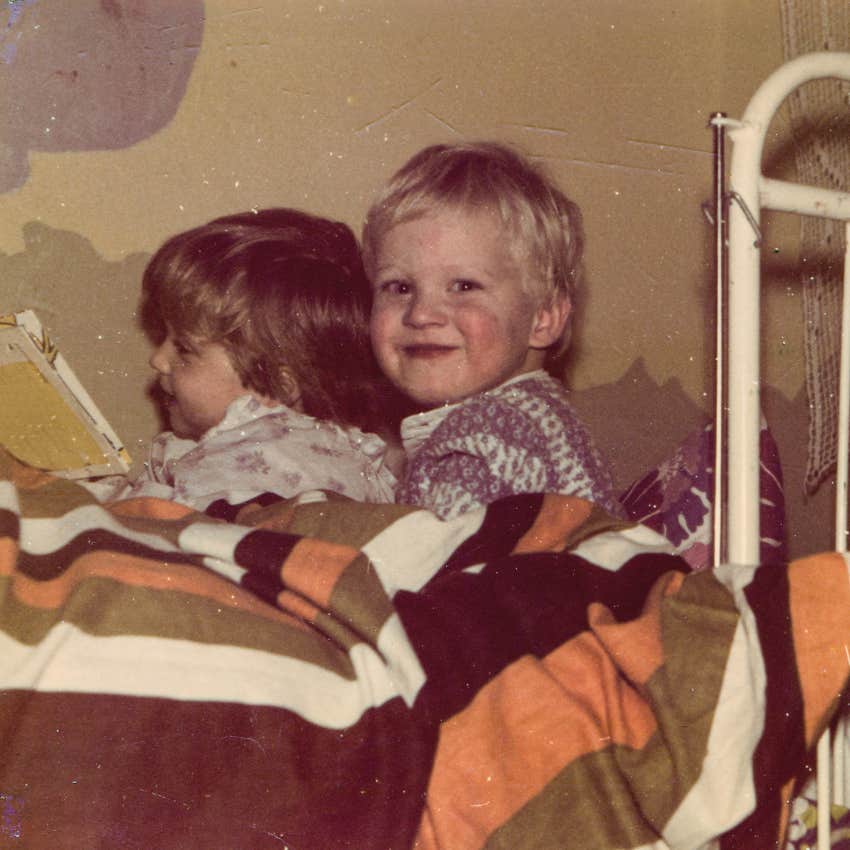
This is another punishment parents would use to help their kids learn what not to do. If they were being disrespectful to their parents, or they refused to eat because they were being picky, they'd be sent to bed without dinner. Their hunger was supposed to teach them not to do that in the future.
Purposely making a kid go hungry seems kind of callous now, which is why it's fallen out of favor. Most doctors and parenting experts advise against it. Even if they're in big trouble, kids today will rarely be sent to bed without dinner unless their family doesn't have enough food in general.
7. Letting kids cry it out
There's an old lesson that when you're trying to get a baby to sleep through the night, you should let them cry. Even if a parent feels bad, they shouldn't walk in to comfort them. That way, the child won't use their cries to get attention and can sleep through the night.
This was a common sleep training method in the '70s and '80s, but it's something many parents can't stand now. They think it's mean to leave their child when they're feeling distressed. It's impossible to tell if a kid is just crying to get attention, and parents today don't think it's worth the risk. They won't ignore their kid crying, just in case they actually do need help.
Lily Bell is a college student studying English and Publications who covers relationships, mental health, and personal narratives surrounding the human experience.
